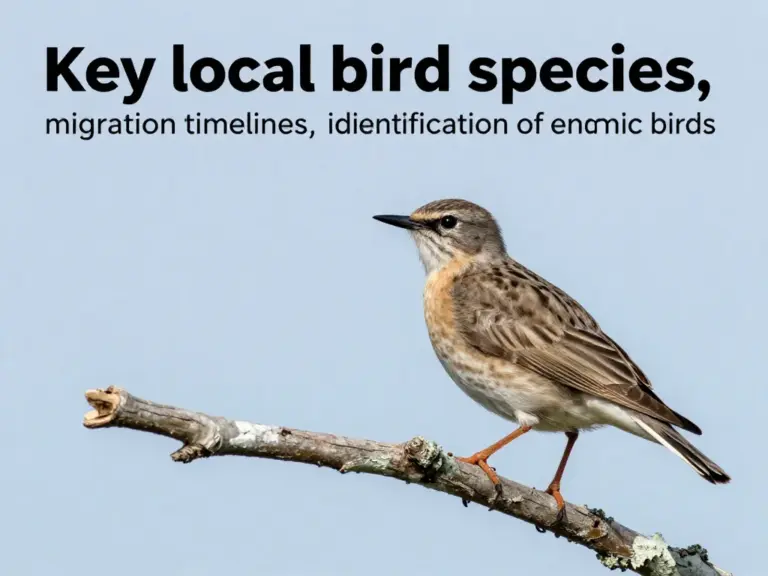
What to Expect: Key Bird Species, Migration Timetables, and How to Identify Local Endemics
Laos is rapidly becoming a premier destination for birdwatchers seeking untouched landscapes and rare avian treasures. With its diverse topography—ranging from the rugged limestone karsts of the north to the lush wetlands of the Mekong in the south—the country offers a unique sanctuary for a vast array of bird species in Laos. Whether you are a seasoned ornithologist or a curious traveler engaged in Laos tourism, understanding what to expect during your visit is key to a rewarding experience.
Key Bird Species in Laos to Watch For
The avian diversity in Laos is staggering, with over 700 recorded species. Among the most sought-after are the spectacular hornbills, including the Great Hornbill and the Wreathed Hornbill, often seen gliding over the canopy in protected areas like Nam Et-Phou Louey. In the limestone regions, keep an eye out for the Bare-faced Bulbul, one of the world’s rarest birds and the only bald songbird in mainland Asia.
- Great Hornbill: Recognizable by its massive yellow casque and impressive wingspan.
- Siamese Fireback: The national bird of Thailand but frequently spotted in the evergreen forests of southern Laos.
- Silver Pheasant: Often found in higher elevations with striking white plumage.
Migration Timetables: When to Visit
Timing is everything when tracking bird species in Laos. The country sits on the East Asian-Australasian Flyway, making it a vital stopover for migratory birds. The best time for birdwatching generally aligns with the cool, dry season from November to March. During this window, local populations are bolstered by winter visitors from Siberia and Northern China, such as various species of thrushes, warblers, and flycatchers.
| Season | Months | What to Expect |
|---|---|---|
| Dry Season | Nov – Feb | Peak migration; high visibility; cool weather. |
| Breeding Season | Mar – May | Endemic species are most active and vocal. |
| Wet Season | Jun – Oct | Challenging access; great for water birds in wetlands. |
How to Identify Local Endemics
Identifying endemic bird species in Laos requires patience and a keen eye for habitat-specific traits. The Bare-faced Bulbul is perhaps the most famous, easily identified by its lack of feathers on its face and pinkish skin. Another specialty is the Laotian Langur-associated Limestone Wren-babbler, which thrives specifically in karst environments. To identify these effectively, focus on their distinct calls—often a series of sharp whistles—and their preference for hopping between limestone crevices rather than perching on high branches.
Top Birdwatching Locations in Laos
For those looking to maximize their sightings, certain hotspots are unmissable. Na Hin is famous for the Bare-faced Bulbul, while the Bolaven Plateau in the south offers a cooler climate and a chance to see the Grey-faced Tit-babbler. The Mekong River islands near the Cambodian border are the only place in the world to find the Mekong Wagtail, a species that nests on rocky outcrops within the river itself.
คำถามที่พบบ่อย (FAQ)
What is the rarest bird species in Laos?
The Bare-faced Bulbul is considered one of the rarest and most unique, as it is the only species of songbird in Asia with a featherless face, found specifically in the limestone karsts of Central Laos.
When is the best time for birdwatching in Laos?
The optimal period is between November and March. This is when the weather is pleasant and migratory birds from the north are present in large numbers.
Do I need a guide for birdwatching in Laos?
While independent birding is possible, hiring a local guide through Laos tourism agencies is highly recommended to access remote habitats and identify cryptic species by their calls.
Where can I see Hornbills in Laos?
National Protected Areas like Nam Et-Phou Louey and Nakai-Nam Theun are excellent locations for spotting Great and Wreathed Hornbills.
References
- BirdLife International – Laos Profile
- Official Laos Tourism Portal
- eBird Laos – Recent Sightings and Hotspots
- Birdwatching in Xe Pian and Nam Et–Phou Louey: Best Seasons, Top Species, and Practical Guides for Visitors
- When to Visit: Seasonal Patterns, Peak Birding Months, and Weather Considerations for Xe Pian and Nam Et–Phou Louey
- Where to Go: Best Trails, Viewing Spots, and Park Entry Logistics for Birdwatchers