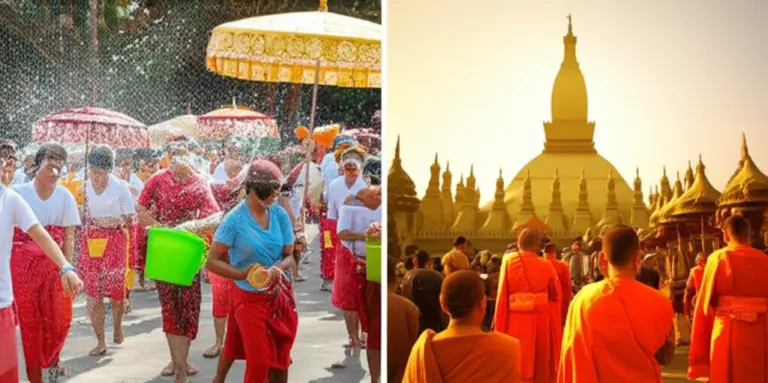
Festivals and Cultural Highlights by Season: Don’t-Miss Events Like Pi Mai (Lao New Year) and That Luang Festival
- Festivals and Cultural Highlights by Season: Don’t-Miss Events Like Pi Mai (Lao New Year) and That Luang Festival
Laos, often referred to as the ‘Land of a Million Elephants,’ is a country rich in tradition and spiritual devotion. Its calendar is dotted with a myriad of vibrant festivals, or ‘Boun,’ offering a unique window into the heart and soul of Lao culture. For anyone planning a trip, understanding the seasonal rhythm of these Lao Festivals and Cultural Highlights is key to experiencing the nation’s most cherished customs. From boisterous water fights symbolizing purification to solemn religious ceremonies, these events showcase the deep-rooted Buddhist beliefs and agricultural cycles that shape daily life in Laos. This guide will take you through the year, highlighting the don’t-miss events that promise an unforgettable journey. [44, 45, 46]
Spring: A Season of Rebirth and Celebration
As the dry season transitions to the warmer months, Laos awakens with some of its most anticipated celebrations, marking new beginnings and seeking blessings for the year ahead. These spring festivals are characterized by lively community participation and deep cultural significance.
Pi Mai (Lao New Year): A Splash of Tradition
Pi Mai Lao, or Lao New Year, is undeniably the most exuberant festival in Laos, typically celebrated from April 13th to 16th, coinciding with the hottest part of the year. [15, 23, 25, 29, 34] This three-day event is a joyous occasion where entire communities come together to wash away bad luck from the previous year and welcome good fortune. The celebrations involve thorough cleaning of homes and temples, wearing new clothes, and visiting temples to bathe Buddha images with perfumed water. [15, 25, 29]
The most iconic aspect of Pi Mai is the nationwide water festival, where people playfully douse each other with water, symbolizing purification and blessings. [21, 23, 34, 48] Luang Prabang is particularly renowned for its elaborate Pi Mai festivities, featuring colorful parades, traditional music and dance, and the revered Prabang Buddha image carried through the streets. [15, 25] Family gatherings, Baci ceremonies (a traditional blessing ritual), and the construction of sand stupas by riverbanks are also integral parts of this festive period. [29, 34]
Boun Bang Fai (Rocket Festival): Calling for Rain
Held typically in May, just before the rainy season begins, Boun Bang Fai, or the Rocket Festival, is a vibrant and boisterous event rooted in ancient fertility rites. [7, 24, 36] Communities launch elaborate homemade rockets into the sky to ask the rain gods, particularly Phaya Thaen, for a bountiful harvest and to prevent drought. [6, 7]
The festival is a lively affair with music, dance, and competitive rocket launches, where teams vie for the highest-flying and most beautifully decorated rockets. [6, 20, 36] While celebrated across many provinces, particularly in central and southern Laos, safety measures have led some larger events, like those in Vientiane, to be held in the city’s outskirts. [7, 24] It’s a truly unique blend of spiritual belief and joyful revelry.
Summer: Serene Rains and Spiritual Gatherings
The rainy season, or ‘Phansa,’ brings a period of introspection and spiritual focus for the Buddhist community, marked by important religious observances.
Khao Phansa (Buddhist Lent): A Time for Reflection
Khao Phansa marks the beginning of Buddhist Lent, a three-month retreat for monks during the rainy season, usually starting in July after the full moon of the eighth lunar month. [9, 12, 27, 32] During this period, monks remain in their monasteries for intensive meditation, study, and spiritual renewal, avoiding overnight travel. [9, 12, 22, 27, 32]
Laypeople actively participate by visiting temples to offer alms, candles, and daily necessities to the monks, making merit, and listening to sermons. [9, 12, 22] Many young men also choose this time to be ordained as novice monks. [12] It’s a period of heightened spiritual discipline, with many Lao people committing to good deeds, abstaining from alcohol, and strengthening their spiritual lives. [12, 32]
Autumn: Harvest, Homage, and Grand Spectacles
As the rains subside and the harvest season approaches, Laos bursts into a flurry of activity, culminating in some of its most significant and visually stunning festivals.
Boun Ok Phansa (End of Buddhist Lent): Illuminated Waters
Boun Ok Phansa marks the end of Buddhist Lent, typically falling on the full moon day in October. [3, 8, 10, 40] This festival signifies Buddha’s return to earth and the monks’ emergence from their three-month retreat. [3, 22]
The highlight of Boun Ok Phansa is the ‘Lai Heua Fai’ or Festival of Lights, particularly enchanting in Luang Prabang. Beautifully crafted boats made from banana trunks, leaves, and flowers, adorned with candles and incense, are floated down the Mekong and Khan rivers. [8, 10, 19] This tradition symbolizes releasing bad luck and welcoming good fortune, paying respect to river spirits, especially the Mekong. [3, 8, 10, 46] Candlelit processions at temples further illuminate the night, creating a magical atmosphere. [3, 8, 10, 19, 46]
Boun Souang Heua (Boat Racing Festival): Riverine Excitement
Often coinciding with Boun Ok Phansa, the Boat Racing Festival (Boun Souang Heua) is a thrilling display of community spirit and athletic prowess. [10, 11, 16, 26, 35, 39, 40] Held on rivers across Laos, with prominent races in Vientiane and Luang Prabang, teams compete in long, narrow boats, often elaborately decorated. [11, 16, 35, 39]
These races are not just sporting events; they are deeply rooted in honoring river spirits, particularly the Nagas, believed to protect the waterways. [16, 39] The atmosphere is electric, filled with cheering spectators, traditional music, and vibrant market fairs. [11, 16, 39]
That Luang Festival: Laos’ Grandest Celebration
The That Luang Festival (Boun That Luang) in Vientiane is arguably the most important Theravada Buddhist festival and a profound symbol of Lao identity. [5, 13, 14, 18, 44] Held for several days during the full moon of the twelfth lunar month, usually in November, it centers around the magnificent golden Pha That Luang stupa, believed to enshrine a relic of the Buddha. [5, 13, 14, 17, 18]
The festival begins with a colorful candlelight procession, ‘Phasat Pheung’ (wax castle), starting from Wat Si Muang and proceeding to That Luang. [13, 17, 28] Thousands of monks and laypeople from across Laos gather at dawn for almsgiving ceremonies, making offerings to accumulate merit. [13, 14, 17, 47] The event also features traditional music, dance, folk performances, and a lively trade fair, culminating in a spectacular fireworks display. [5, 13, 14, 17, 18, 28, 44]
Winter: Cooler Climes and Community Spirit
As the weather cools, the northern regions of Laos host unique cultural events, reflecting the traditions of its diverse ethnic groups.
Hmong New Year: Vibrant Traditions in the Mountains
The Hmong New Year, or ‘Noj Peb Caug,’ is a significant cultural celebration for the Hmong ethnic group, typically held in December or January after the harvest season. [4, 30, 31] It’s a time of gratitude, renewal, and ancestral worship, where families prepare special rice cakes and offerings. [4, 31]
Public celebrations in areas with large Hmong populations, such as Luang Prabang, Phonsavan, and the outskirts of Vientiane, can last a full week. [4] These events feature traditional games like ‘pov pob’ (ball-tossing), bullfighting, arrow shooting contests, singing, dancing, and performances with the distinctive Hmong ‘qeej’ (mouth organ). [4, 30, 37, 38] It’s also a traditional time for courtship and community bonding. [30, 37, 38]
Planning Your Trip Around Laos’ Festivals
To truly immerse yourself in the rich tapestry of Lao culture, timing your visit with one of these festivals is highly recommended. Each event offers a unique perspective on the country’s heritage and provides incredible photo opportunities and cultural interactions.
Best Times to Visit
The dry season, from November to April, is generally considered the best time to visit Laos due to cooler temperatures and clearer skies. [40] This period conveniently encompasses major festivals like That Luang and Pi Mai. However, the rainy season (May to October) offers lush green landscapes and the unique experiences of Boun Bang Fai and the Buddhist Lent observances. [40]
Cultural Etiquette Tips
When attending festivals, remember to dress modestly, especially when visiting temples. Remove your shoes before entering religious sites and homes. Always ask for permission before taking photos of people. During water festivals like Pi Mai, it’s customary to participate and get wet, but be mindful of personal space and avoid splashing monks or the elderly inappropriately. Embrace the local customs with an open heart, and you’ll find the Lao people incredibly welcoming.
Conclusion
The Lao Festivals and Cultural Highlights offer an unparalleled insight into the nation’s spiritual depth and vibrant community life. From the purifying waters of Pi Mai to the reverent processions of That Luang, each season brings its own set of unique and enriching experiences. By aligning your travel plans with these don’t-miss events, you’re not just visiting a country; you’re stepping into its living history and becoming part of its ongoing story. Prepare to be enchanted by the warmth of its people and the beauty of its enduring traditions.
คำถามที่พบบ่อย (FAQ)
References
- Office Holidays – Boun Ok Phansa
- Discover Laos – Hmong New Year
- Wikipedia – That Luang Festival
- Laos Tourism – Rocket Festival
- Discover Laos – Boun Bang Fai
- Discover Laos – Boun Ok Phansa
- Laos Guide 999 – Khao Phansa Festival
- PublicHolidays.asia – Boun Ok Phansa
- Lao Voices – Luang Prabang Boat Racing Festival
- Discover Laos – Boun Khao Phansa
- Laos Guide 999 – That Luang Festival
- Discover Laos – That Luang Festival
- Laos Guide 999 – Pi Mai Lao
- Discover Laos – Boat Racing Festival
- Wikipedia – Lao New Year
- Wikipedia – Rocket Festival
- Explore Laos – Pi Mai Lao 2025
- Luang Prabang Laos – Boat Racing Festival
- Luang Prabang Laos – Khao Phansa
- YouTube – Laos New Year: Sok Di Pi Mai!
- Asia King Travel – Boun Khao Phansa and Boun Ok Phansa
- YouTube – That Luang Festival WOW! 1st Time!
- Authentik Travel – Boun Pi Mai
- Rove.me – Hmong New Year
- Kampá Tour – Hmong New Year
- Sonasia Holiday – Buddhist Lent & Khao Phansa
- YouTube – Boun That Luang (Festival) Vientiane Laos Festival 2023
- YouTube – That Luang Festival 2023
- Luang Prabang – Hmong New Year
- Explore Laos – Hmong New Year in Luang Prabang
- HelpALittle – Boun Suang Heua in Luang Prabang
- Asia King Travel – Guide to Weather, Festivals & Holidays in Laos
- Sonasia Holiday – Top 18 Laos Festivals
- YouTube – That Luang Festival 2023 Final Day
- Laos-Adventures.com – Laos facts : festivals and holidays
- Laos Travel – 10 unmissable Festivals and Celebrations in Laos
- Inside Laos – Laos Festivals and Holidays
- Mekong Tourism Coordinating Office – Boun Ok Phansa Festival