When to Go to Laos: Understanding the Climate and Peak Seasons for Every Region
- When to Go to Laos: Understanding the Climate and Peak Seasons for Every Region
Laos, the ‘Land of a Million Elephants,’ is a captivating destination renowned for its serene landscapes, ancient temples, and rich cultural heritage. For any traveler dreaming of exploring this laid-back Southeast Asian gem, a crucial question arises: When to Go to Laos? The timing of your visit can significantly shape your experience, influencing everything from the weather and crowd levels to the accessibility of remote areas and the vibrancy of local festivals. Understanding Laos’s tropical monsoon climate and its distinct seasons is key to planning an unforgettable journey. This comprehensive guide will help you navigate the nuances of Lao weather, regional variations, and peak seasons, ensuring your trip aligns perfectly with your travel aspirations.
Decoding Laos’s Climate: The Two Main Seasons
Laos experiences a tropical monsoon climate, characterized by two primary seasons: a dry season and a wet (or rainy) season. Each brings its own unique charm and challenges, making Laos a destination with year-round appeal depending on what you seek. The average temperature typically ranges from 22°C to 27°C year-round, though regional and seasonal variations are significant. [6]
The Dry Season: Cool & Hot Phases (October to April)
The dry season in Laos generally spans from October to April, offering predominantly sunny days and minimal rainfall. This period is often considered the most popular time to visit due to its favorable weather conditions. It can be further divided into two distinct phases: the cool dry season and the hot dry season.
Cool Dry Season (November to February)
This is arguably the most pleasant time to experience Laos. Temperatures are comfortable, typically ranging from 22°C to 27°C in the lowlands, and significantly cooler in mountainous regions, sometimes dropping to 15°C or lower at night. [6, 9] Humidity is low, and skies are generally clear. This period is perfect for all kinds of outdoor activities, including trekking, cycling, and exploring ancient temples without the intense heat or rain. River levels are high enough for comfortable Mekong River cruises, offering scenic journeys between towns like Luang Prabang and Pakbeng. [2, 6] It’s also a peak season for cultural festivals, adding vibrant layers to your travel experience.
Hot Dry Season (March to April)
As the dry season progresses, temperatures begin to rise significantly, often reaching 30-40°C, especially in the central and southern plains. [2, 12] This period can be quite uncomfortable for some travelers. Additionally, March and April are often associated with the ‘slash and burn’ agricultural practices, which can lead to hazy skies and reduced air quality, particularly in northern Laos. [2, 8] While not ideal for extensive outdoor activities in the lowlands, the higher altitudes of the Bolaven Plateau or northern mountains can still offer some respite from the heat. River levels start to recede, making some river travel more challenging. [2]
The Wet Season: Lush Landscapes & Fewer Crowds (May to September)
The wet season, also known as the green season, typically runs from May to September. While the thought of rain might deter some, this period offers a dramatically different but equally rewarding experience. Rainfall is frequent but often comes in intense, short downpours, usually in the afternoon, leaving plenty of sunshine throughout the day. [5, 14] The landscape transforms into a vibrant, lush green paradise, and waterfalls are at their most spectacular. [3, 14]
However, there are challenges. Roads, particularly in rural and remote areas, can become muddy and difficult to navigate, and some trekking routes might be inaccessible. There’s also an increased risk of landslides and localized flooding in certain low-lying areas. [6, 10] Despite these, many travelers find the unique atmosphere and the beauty of the green season to be a truly authentic and memorable experience.
Regional Climate Variations and Best Times to Visit
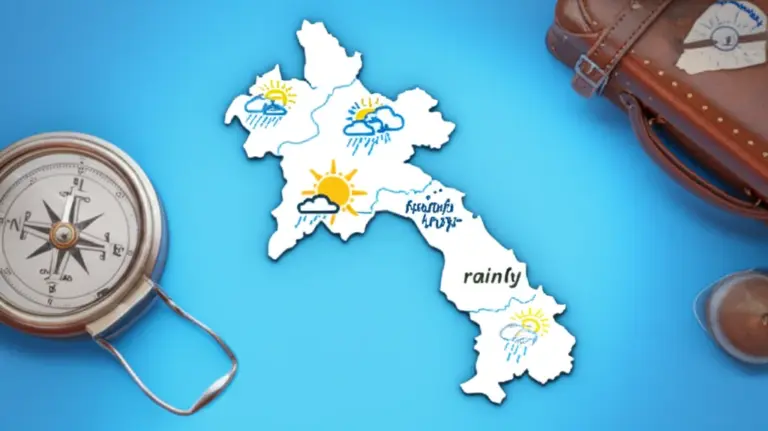
Laos’s diverse topography, ranging from northern mountains to southern plains and plateaus, means that climate conditions can vary significantly across different regions. [2, 6, 12] This regional diversity is crucial when deciding When to Go to Laos for specific destinations.
Northern Laos (Luang Prabang, Phonsavan, Oudomxay)
The mountainous north experiences cooler temperatures during the dry season (November to February), making it ideal for trekking, exploring the Plain of Jars, and enjoying the cultural richness of Luang Prabang. [3, 7, 9] Nights can be quite chilly, so packing layers is advisable. During the hot dry season (March-April), haze from agricultural burning can be an issue. The wet season brings lush green rice paddies and full waterfalls, but some remote mountain roads may become impassable.
Central Laos (Vientiane, Vang Vieng)
Vientiane and Vang Vieng in central Laos are best visited during the cool dry season (November to February) for pleasant temperatures and ideal conditions for outdoor activities like kayaking, caving, and cycling. [3] The hot dry season (March-April) can be extremely hot and humid in these lowland areas, making sightseeing less comfortable. The wet season transforms the Vang Vieng landscape into vibrant green, perfect for enjoying the karst scenery, though some adventure activities might be weather-dependent.
Southern Laos (Pakse, 4000 Islands, Bolaven Plateau)
Southern Laos, including the tranquil 4000 Islands (Si Phan Don) and the coffee-rich Bolaven Plateau, is wonderful during the dry season (October to April) for relaxing by the Mekong and exploring its many waterfalls. [3] The Bolaven Plateau, being at a higher altitude, offers a cooler escape even during the hot dry months. [2, 3, 9] The wet season significantly boosts the volume of waterfalls like Tad Fane and Tad Yuang, creating truly spectacular sights. [3]
Peak Seasons, Shoulder Seasons, and Off-Peak Travel
Understanding the flow of tourist traffic can help you decide When to Go to Laos based on your preference for crowds and budget.
Peak Season (November to February)
This is the most popular time for visitors due to the cool, dry, and pleasant weather across most of the country. [4, 6, 8, 13] Expect higher prices for flights and accommodation, and more crowds at popular attractions like Luang Prabang and Vang Vieng. Booking well in advance is highly recommended.
Shoulder Seasons (October, March, April, May)
Shoulder seasons offer a balance of decent weather and fewer crowds. October is a fantastic transition month, with subsiding rains, green landscapes, and comfortable temperatures. [2, 12] March and April can be hot and hazy but offer lower prices and fewer tourists. May marks the beginning of the wet season, bringing lushness and the start of lower tourist numbers. These months can be a great option for budget-conscious travelers or those who prefer a quieter experience.
Off-Peak Season (June to September)
While the wettest period, the off-peak season offers the lowest prices and the fewest tourists. It’s an ideal time for those who appreciate lush, vibrant scenery and don’t mind occasional downpours. [3, 5, 12] Waterfalls are at their most powerful, and the rivers are full. It’s a prime time for eco-tourism and experiencing Laos’s natural beauty in full bloom. Be prepared for potential travel disruptions, especially in remote areas.
Embracing Laos’s Festivals and Events
Laos’s rich cultural calendar offers numerous festivals that can be a highlight of your trip. Planning your visit around these events can provide a deeper insight into local traditions.
-
Pi Mai Lao (Lao New Year – April): A nationwide celebration with water fights, parades, and traditional ceremonies, particularly vibrant in Luang Prabang. Occurs during the hot dry season. [3] -
Boun That Luang (That Luang Festival – November): A significant religious festival centered around the That Luang stupa in Vientiane, featuring processions, markets, and religious ceremonies. Occurs during the cool dry season. [2] -
Boat Racing Festival (Boun Suang Heua – September/October): Celebrated in various towns, notably Vientiane and Luang Prabang, marking the end of Buddhist Lent with lively boat races on the Mekong. Occurs towards the end of the wet season. [3]
This video provides an excellent season-by-season guide to help you plan your Laos trip.
Practical Advice for Planning Your Laos Adventure
Regardless of When to Go to Laos, a few practical tips can enhance your journey:
-
Packing Essentials: For the dry season, light cotton clothing is sufficient, but include a light jacket or sweater for cooler evenings, especially in the north or highlands. For the wet season, lightweight waterproofs, an umbrella, and quick-drying clothes are essential. Always bring comfortable walking shoes that can be easily removed when entering temples or homes. [4, 7] -
Book Ahead: During the peak cool dry season (November-February), popular accommodations and tours can fill up quickly. Booking in advance is highly recommended to secure your preferred options. -
Flexibility: Especially if traveling during the wet season, maintain some flexibility in your itinerary. Road conditions can change, and some activities might be weather-dependent. Embracing the unexpected is part of the adventure! -
Dress Modestly: When visiting temples and religious sites, ensure your shoulders and knees are covered as a sign of respect. [4]
Ultimately, the ‘best’ time to visit Laos is subjective and depends on your personal preferences and what you hope to experience. Whether you seek the comfortable climate of the dry season, the vibrant greenery of the wet season, or the cultural immersion of a festival, Laos offers a unique and enriching journey year-round. By understanding its climate and regional variations, you can confidently decide When to Go to Laos and embark on your dream adventure.