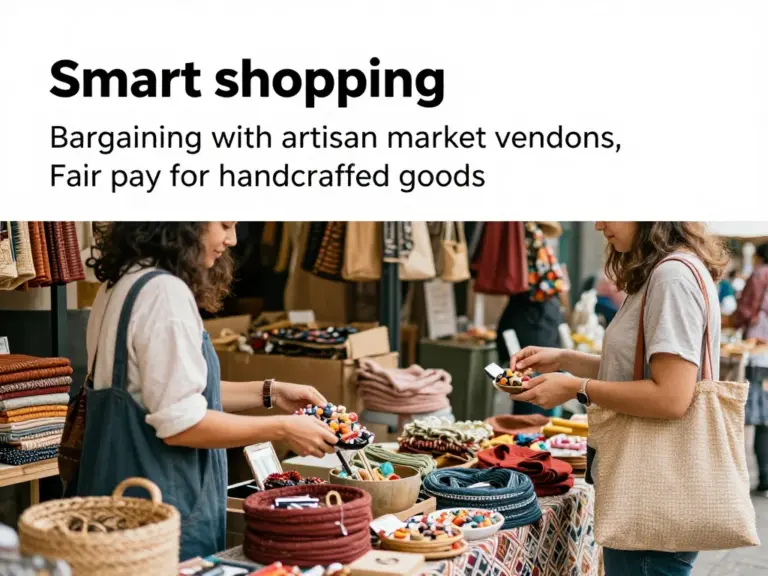
Smart Shopping Tips: Negotiation, Pricing, and Ensuring Fair Pay for Artisans
When traveling through the serene landscapes of Laos, shopping is more than just a transaction; it is a cultural exchange. From the vibrant night markets of Luang Prabang to the weaving centers of Vientiane, understanding Smart Shopping Tips is essential for any conscious traveler. This guide will help you navigate the nuances of negotiation while ensuring that your purchases support the local economy and provide fair pay for the talented artisans who keep Laotian traditions alive.
Understanding the Art of Negotiation in Laos
In Laos, bargaining is common in markets, but it is rarely aggressive. Unlike some other Southeast Asian destinations, the approach here is gentle and polite. To practice smart shopping, always start with a smile. If a price isn’t listed, it’s acceptable to ask for a discount, but keep it within reason—usually 10-20% off the initial asking price. Remember, the goal is a ‘win-win’ where both you and the seller walk away happy.
Decoding Pricing: Factory vs. Handmade
One of the biggest challenges for tourists is distinguishing between mass-produced items and authentic handmade crafts. Authentic Laotian silk, for instance, involves intricate processes like natural dyeing and hand-weaving that can take weeks. When you see a price that seems high, consider the labor involved. Smart shopping means recognizing that quality comes at a cost, and paying a fair price ensures these traditional skills are passed down to future generations.
Ensuring Fair Pay for Artisans
Ethical tourism is at the heart of the Laos experience. To ensure your money reaches the right hands, look for social enterprises and cooperatives. Organizations like Ock Pop Tok or the Traditional Arts and Ethnology Centre (TAEC) in Luang Prabang are excellent examples of places that guarantee fair wages. By purchasing directly from village cooperatives, you bypass middlemen, ensuring that the weaver or carver receives the majority of the profit.
| Item Type | Typical Market Price (LAK) | Artisan Quality Price (LAK) |
|---|---|---|
| Cotton Scarf | 50,000 – 80,000 | 150,000+ |
| Hand-woven Silk | 200,000 – 500,000 | 1,000,000+ |
| Bamboo Basketry | 30,000 – 60,000 | 100,000+ |
Where to Shop Responsibly in Laos
While the Luang Prabang Night Market is famous, don’t miss the smaller villages. If you are in Vientiane, visit the COPE Visitor Centre for meaningful souvenirs, or explore the Morning Market (Talat Sao) for textiles. Always look for the ‘Made in Laos’ certification or signs indicating fair trade practices. This is the ultimate smart shopping tip: your purchase is a vote for the kind of world you want to support.
คำถามที่พ่อยบ่อย (FAQ)
Q1: Is it rude to bargain in Laos?
A: No, it is not rude as long as it is done politely and with a smile. However, in fixed-price boutiques and social enterprises, you should not negotiate.
Q2: How can I tell if silk is real?
A: Real hand-woven silk often has slight irregularities in the weave and a distinct luster. Burning a small thread (with permission) is a test: real silk smells like burning hair and leaves ash, while synthetic melts like plastic.
Q3: Why should I pay more at a social enterprise?
A: Social enterprises ensure that artisans receive fair pay, healthcare, and safe working conditions. The higher price reflects ethical production and superior quality.
References
- Official Laos Tourism Portal
- Traditional Arts and Ethnology Centre (TAEC)
- Ock Pop Tok Living Crafts Centre