Morning Alms in Luang Prabang: A Respectful Guide to Participating in This Sacred Tradition
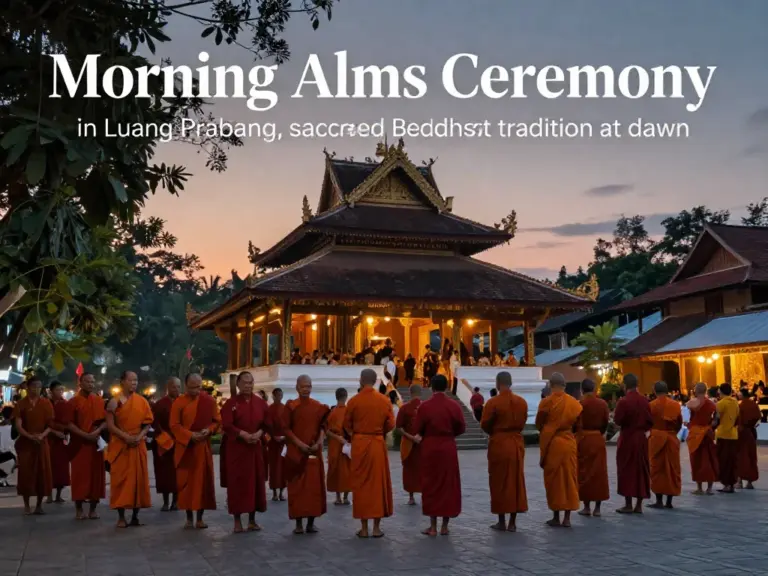
The Morning Alms in Luang Prabang, known locally as Tak Bat, is one of the most poignant and visually stunning spiritual experiences in Southeast Asia. As dawn breaks over the UNESCO World Heritage town of Luang Prabang, saffron-robed monks emerge from the mist in a silent, rhythmic procession. For travelers, witnessing this centuries-old Buddhist tradition is a privilege that requires deep respect, cultural sensitivity, and an understanding of the ritual’s profound significance.
Understanding the Significance of Tak Bat
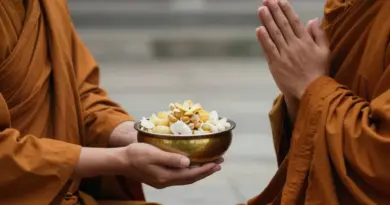
At its core, the alms-giving ceremony is an act of merit-making. It is not a performance for tourists, but a daily religious practice where laypeople offer food—typically sticky rice—to the monks. In return, the monks offer blessings to the givers. This exchange strengthens the bond between the monastic community (the Sangha) and the local lay community. When you participate in the Morning Alms in Luang Prabang, you are stepping into a cycle of giving and receiving that has sustained Buddhist culture in Laos for generations.
How to Participate Respectfully
Participating in Tak Bat is a personal choice, and doing so requires adherence to specific protocols. If you choose to offer alms, you must do so with humility and awareness. Here are the essential guidelines for maintaining the sanctity of the event:
- Dress Modestly: Shoulders and knees must be covered. This applies to both men and women.
- Keep Your Distance: Maintain a respectful distance from the procession. Never touch the monks or stand in their path.
- No Flash Photography: This is a sacred, meditative practice. Using flash cameras or crowding the monks with heavy equipment is highly disruptive and considered disrespectful.
- Offerings: Only offer store-bought, clean food, such as pre-packed sticky rice or fruit. Do not offer money or non-food items.
- Lower Your Position: When offering food, it is customary to kneel or sit on a small mat to ensure your head is lower than the monks’.
Where to Observe the Tradition
While the main streets of the peninsula are popular, they can become crowded with onlookers. To experience a more authentic and quieter side of the Morning Alms in Luang Prabang, consider walking slightly away from the main tourist hubs like Sisavangvong Road. Smaller alleys or streets near the local temples (Wats) often offer a more intimate experience. Remember, the goal is to observe, not to intrude. If you find a spot that is already crowded, seek a different location rather than pushing into the existing group.
Map of Luang Prabang Temples
The Role of the Visitor: Observe or Participate?
Many travelers struggle with the decision of whether to participate or simply observe. Both are perfectly acceptable. If you choose to observe, stand quietly, keep your voice low, and avoid making eye contact that might distract the monks. If you choose to participate, purchase your offerings from reputable sources—preferably from your hotel or a trusted local shop—to ensure the food is hygienic and suitable for consumption. Avoid buying offerings from street vendors who may be aggressive or selling sub-par products, as this commodifies a spiritual ritual.
| Do | Don’t |
|---|---|
| Dress respectfully | Use flash photography |
| Keep a respectful distance | Touch the monks |
| Maintain silence | Stand in the monks’ path |
คำถามที่พบบ่อย (FAQ)
1. Is it okay for tourists to participate in the alms-giving ceremony?
Yes, tourists are welcome to participate, provided they do so with deep respect for local customs, dress modestly, and follow the etiquette guidelines mentioned above.
2. What is the best way to avoid being disrespectful during the ceremony?
The best approach is to observe from a distance, refrain from using flash, keep your voice down, and never get in the way of the monks as they move along their route.
3. Why is it important to use sticky rice for alms?
Sticky rice is the staple food of Laos and the primary sustenance for the monks. It is practical for the daily ritual and is the traditional offering used in Buddhist alms-giving ceremonies in this region.
4. What time does the Morning Alms ceremony start?
The ceremony usually begins at dawn, typically around 5:30 AM to 6:00 AM, depending on the time of year. It is best to be in place at least 20 minutes before.