How to Get There, Local Guides, and Climbing Seasons: Planning Your Vang Vieng Climbing Trip
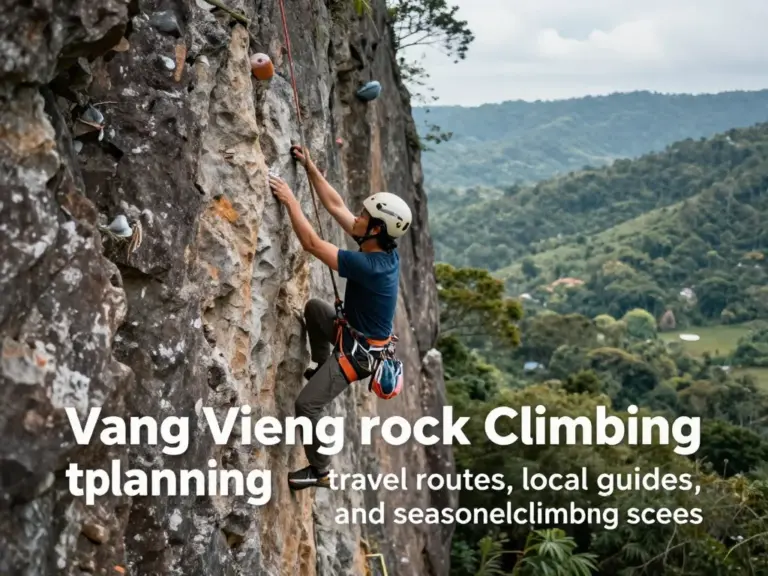
Embarking on a Vang Vieng climbing trip is a dream for many outdoor enthusiasts. Nestled amidst the striking karst landscapes of central Laos, Vang Vieng has evolved from a backpacker party hub into a world-class destination for rock climbing. With its jagged limestone cliffs, lush valleys, and the winding Nam Song River, the region offers routes for everyone from beginners to seasoned pros. Planning the perfect trip requires understanding the logistics of travel, the necessity of local expertise, and the nuances of the tropical climate.
How to Get to Vang Vieng
Getting to Vang Vieng has become significantly easier in recent years thanks to infrastructure improvements. Most travelers arrive via Vientiane (the capital) or Luang Prabang.
By Train: The Laos-China Railway is the fastest option. The journey from Vientiane takes approximately 50 minutes, while the trip from Luang Prabang takes about an hour. It is highly recommended to book tickets in advance through the LCR Ticket app or a local agency.
By Road: The Vientiane-Vang Vieng Expressway has cut travel time down to about 1.5 to 2 hours by van or private car. Traditional buses still run the old mountain roads, offering scenic views but taking much longer (4-5 hours). Once in town, the climbing crags are easily accessible by bicycle, motorbike, or tuk-tuk.
Understanding Climbing Seasons in Laos
Timing is everything when planning your Vang Vieng climbing trip. The weather in Laos is divided into two main seasons: dry and wet.
The Peak Season (November to February): This is the best time to climb. The air is cool and dry, providing excellent friction on the limestone. However, this is also the busiest time for tourism, so expect more crowds at popular crags like Pha Tang.
The Shoulder Season (March to May): It gets incredibly hot during these months. Climbing is possible if you start very early in the morning and stick to shaded walls. Be aware that ‘slash and burn’ agriculture in the region can lead to smoky air during March.
The Wet Season (June to October): While rain is frequent, it often comes in short, heavy bursts. Some overhanging crags stay dry, but humidity can make the rock slippery. The landscape is at its most beautiful and green during this time.
Finding Local Guides and Gear
While experienced climbers often bring their own gear, engaging with local guides is highly recommended for safety and to support the local economy. Companies like Adam’s Climbing School and Green Discovery offer certified guides who know the nuances of every bolt and anchor in the area. These schools provide introductory courses for beginners and lead-climbing trips for advanced climbers.
Local guides also provide essential context regarding land access and safety updates. Most climbing shops in town offer rental packages including shoes, harnesses, helmets, and ropes, though serious climbers may prefer to bring their own well-fitted shoes.
Top Crags to Visit
During your Vang Vieng climbing trip, you shouldn’t miss these iconic spots:
1. Tham Namtha (Sleeping Wall): Famous for its massive stalactites and overhanging routes.
2. Pha Tang: Located about 15km north of town, offering stunning river views and a variety of technical vertical climbs.
3. Water Wall: A great spot during the hotter months due to its proximity to the river and shaded areas.
| Crag Name | Difficulty Range | Best Feature |
|---|---|---|
| Sleeping Wall | 6a – 8b | Stalactites & Overhangs |
| Pha Tang | 5c – 7b | Scenic River Views |
| Phu Kham Cave | 5a – 6c | Beginner Friendly |
คำถามที่พบบ่อย (FAQ)
Q: Is Vang Vieng suitable for beginner climbers?
A: Absolutely! There are several climbing schools that offer half-day or full-day courses specifically designed for people who have never climbed before.
Q: Do I need to bring my own rope and quickdraws?
A: If you are an experienced climber planning to climb independently, bringing your own gear is best. However, local shops have high-quality gear available for rent.
Q: What should I wear for climbing in Vang Vieng?
A: Lightweight, breathable athletic clothing is best. Don’t forget sunscreen, insect repellent, and plenty of water, as the tropical sun can be intense.
Q: Are the bolts and anchors safe?
A: Local climbing schools and the Vang Vieng Climbing Association regularly maintain the routes. However, as with all outdoor climbing, you should always inspect gear and anchors yourself before use.
References
Official Laos Tourism Portal
TheCrag – Vang Vieng Climbing Guide