Safety Protocols, Equipment Checklist, and Common Hazards on Vang Vieng Limestone
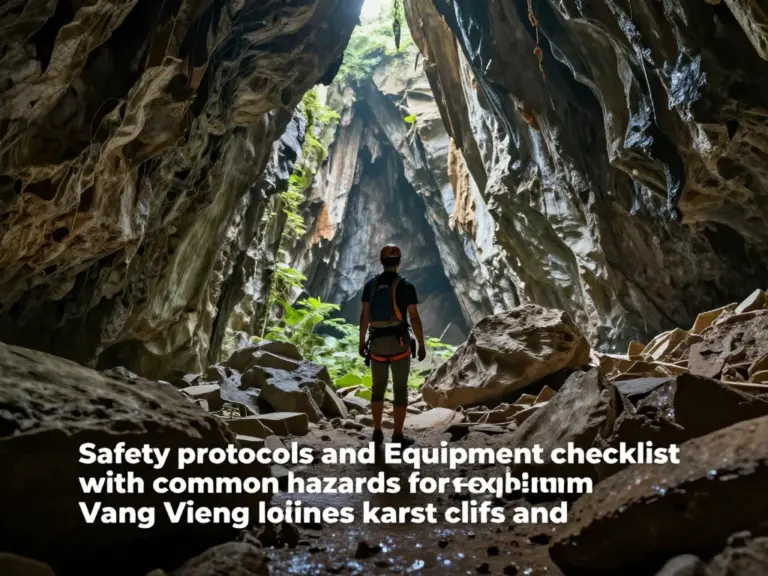
Vang Vieng, a jewel in the heart of Laos, is world-renowned for its breathtaking karst landscapes. The towering Vang Vieng Limestone cliffs offer some of the most exhilarating rock climbing experiences in Southeast Asia. However, the beauty of these jagged formations comes with inherent risks. For any traveler engaging in Laos tourism, understanding the specific safety protocols and environmental challenges of this unique terrain is paramount to ensuring a memorable and secure adventure.
Essential Safety Protocols for Vang Vieng Limestone
When tackling the Vang Vieng Limestone, safety begins long before you touch the rock. The tropical climate of Laos introduces variables like high humidity and sudden rain, which can turn a stable route into a slippery hazard. First and foremost, always perform a ‘buddy check’ before every ascent. This includes verifying harnesses, helmet buckles, and knot integrity. Communication is the second pillar of safety; ensure you and your partner use standardized climbing commands to avoid confusion amidst the echoes of the karst valleys.
Furthermore, respect the local regulations. Many climbing sectors in Vang Vieng are managed by specific schools or local communities. Checking in with these entities ensures that you are aware of any recent rockfalls or closed routes due to nesting birds or maintenance.
Ultimate Equipment Checklist
Limestone is a sedimentary rock that can be sharp, porous, and occasionally brittle. Your equipment must be specifically suited for these conditions. Below is a comprehensive checklist for your expedition:
| Item | Purpose | Note |
|---|---|---|
| Climbing Helmet | Protection | Essential against falling debris from limestone ledges. |
| Aggressive Rubber Shoes | Grip | Necessary for the small ‘pockets’ and technical smears. |
| Quickdraws (12-14) | Protection | Ensure they are stainless steel if climbing near damp areas. |
| Chalk Bag & Refill | Moisture Control | The humidity in Laos makes chalk a necessity for grip. |
| First Aid Kit | Emergency | Include antiseptic for scratches from sharp rock edges. |
Common Hazards on Vang Vieng Limestone
Understanding the specific hazards of the Vang Vieng Limestone is crucial for risk mitigation. Unlike granite, limestone is susceptible to chemical weathering, which can create ‘loose flakes’ or hollow sections. Always tap the rock if it looks suspicious; a hollow sound indicates instability. Additionally, the sharp nature of karst limestone can easily core or damage your rope if it rubs over an edge during a fall or lower.
Environmental hazards also include local wildlife. Wasps often build nests in the shaded pockets of the limestone. Before reaching into a blind hold, a quick visual inspection can save you from a painful encounter. Lastly, heat exhaustion is a significant risk in the tropical climate of Vang Vieng. Ensure you carry at least 2 liters of water and electrolyte supplements.
คำถามที่พบบ่อย (FAQ)
Is Vang Vieng limestone safe for beginners?
Yes, Vang Vieng offers a wide range of routes from 5a to 8c. Beginners should stick to established sectors like ‘Tham Namtha’ and always climb with a certified instructor.
What is the best time of year to climb?
The dry season from November to March is ideal. During the monsoon season (June to September), the limestone becomes extremely slippery and prone to rockfall.
Are there rescue services available in Vang Vieng?
Local climbing schools have basic rescue protocols, but professional mountain rescue is limited. It is vital to have comprehensive travel insurance that covers technical climbing.
Do I need to bring my own rope?
While you can rent gear locally, bringing your own 60m or 70m dynamic rope ensures you know the history and safety of your equipment.
References
Official Laos Tourism Portal
TheCrag – Vang Vieng Climbing Guide