Ethical Activities and Experiences: Community-Based Tours, Wildlife-Friendly Adventures, and Sustainable Trekking Practices
- Ethical Activities and Experiences: Community-Based Tours, Wildlife-Friendly Adventures, and Sustainable Trekking Practices
Laos, often referred to as the ‘Land of a Million Elephants’, is a country of breathtaking natural beauty, rich cultural heritage, and warm, welcoming people. As global tourism continues to grow, so too does the imperative for responsible travel. For those seeking truly meaningful journeys, engaging in Ethical Activities and Experiences: Community-Based Tours, Wildlife-Friendly Adventures, and Sustainable Trekking Practices offers an unparalleled way to explore this enchanting nation while contributing positively to its communities and environment. This guide delves into how you can make your visit to Laos impactful, respectful, and unforgettable.
Embracing Community-Based Tourism in Laos
Community-Based Tourism (CBT) is at the heart of ethical travel in Laos. It empowers local communities by allowing them to manage and benefit directly from tourism activities. This approach ensures that a significant portion of your travel expenditure goes straight into the hands of the people who call these incredible places home, fostering economic growth and preserving traditional ways of life. When you participate in CBT, you’re not just a tourist; you’re a guest invited to share in the daily lives of Lao villagers.
What to Expect from Community-Based Tours:
- Homestays: Live with a local family, share meals, and experience their customs firsthand. This offers an authentic glimpse into Lao culture, far removed from typical hotel stays.
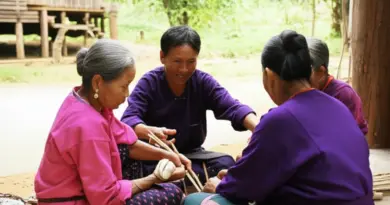
- Cultural Workshops: Learn traditional crafts like weaving, bamboo basket making, or even Lao cooking from expert local artisans.
- Agricultural Experiences: Participate in rice farming, fishing, or other rural activities, understanding the rhythms of village life.
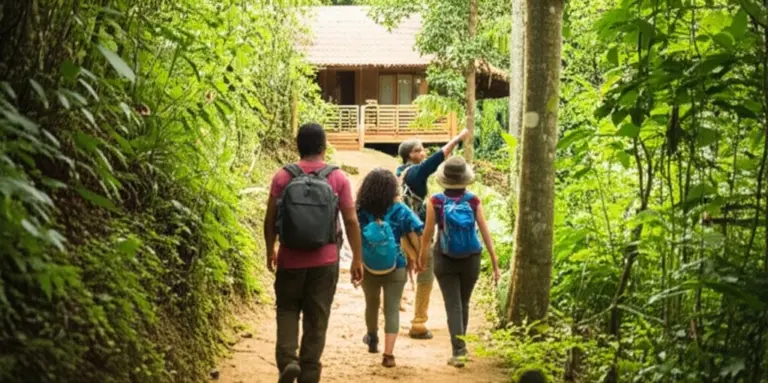
- Guided Treks: Explore surrounding nature with local guides who possess invaluable knowledge of the flora, fauna, and local trails.
Popular regions for community-based tourism include Luang Namtha in the north, known for its ethnic diversity and trekking opportunities, and the villages around Luang Prabang, which offer insights into traditional Lao life. By choosing these tours, you directly support local economies, cultural preservation, and sustainable development.
Wildlife-Friendly Adventures: Protecting Laos’s Biodiversity
Laos is home to an incredible array of wildlife, from Asian elephants and gibbons to various bird species. Responsible wildlife tourism focuses on observation and conservation, ensuring that your interactions do not harm animals or their habitats. Avoid any activities that involve riding elephants, petting wild animals, or visiting facilities that exploit animals for entertainment. Instead, seek out reputable sanctuaries and conservation projects.
Ethical Wildlife Encounters:
- Elephant Sanctuaries: Visit genuine elephant sanctuaries, such as the Elephant Conservation Center near Sayaboury, where rescued elephants live in natural surroundings and visitors can observe them from a respectful distance. Support their efforts to protect and rehabilitate these magnificent creatures.
- Bird Watching and Nature Trails: Explore national protected areas like Nam Et-Phou Louey National Protected Area, which offers incredible opportunities for wildlife spotting, including tigers (though rarely seen), gibbons, and various bird species, through responsible, guided tours.
- Mekong River Ecology: Learn about the diverse aquatic life of the Mekong River, supporting local fishermen who practice sustainable methods.
By choosing wildlife-friendly adventures, you help combat illegal wildlife trade and support conservation efforts that are crucial for Laos’s unique ecosystems. Always research operators to ensure they adhere to the highest ethical standards.
Sustainable Trekking Practices: Treading Lightly in Laos’s Landscapes
Laos’s rugged terrain and lush forests make it a trekking paradise. From multi-day treks through remote hill tribe villages to challenging ascents in protected areas, the opportunities are vast. However, to ensure these pristine environments remain untouched, adopting sustainable trekking practices is paramount. This includes adhering to ‘Leave No Trace’ principles and supporting local economies through fair wages for guides and porters.
Key Sustainable Trekking Principles:
- Waste Management: Pack out everything you pack in, including food scraps. Avoid single-use plastics and carry a reusable water bottle.
- Stay on Trails: Stick to marked paths to prevent erosion and disturbance to local flora and fauna.
- Support Local: Hire local guides and porters through reputable agencies that ensure fair wages and good working conditions. Purchase supplies from local shops.
- Respect Wildlife & Nature: Observe animals from a distance, do not feed them, and do not disturb plants or rock formations.
- Water Conservation: Be mindful of water usage, especially in remote areas where water resources might be scarce.
Trekking through areas like the Nam Ha National Protected Area or around the Bolaven Plateau offers incredible scenery and cultural immersion. Choosing operators committed to sustainability not only protects the environment but also enhances the overall quality of your Ethical Activities and Experiences: Community-Based Tours, Wildlife-Friendly Adventures, and Sustainable Trekking Practices.
The Broader Impact of Ethical Travel in Laos
Beyond specific activities, ethical travel encompasses a mindset of respect and responsibility. This means engaging with locals respectfully, dressing modestly, asking permission before taking photos, and being mindful of local customs and traditions. Supporting local businesses, from small guesthouses to family-run restaurants, further amplifies your positive impact. Every conscious choice you make as a traveler contributes to a more sustainable and equitable tourism industry in Laos.
Tips for Responsible Tourism:
- Learn a few basic Lao phrases (e.g., “Sabaidee” – hello, “Khop Jai” – thank you).
- Bargain fairly in markets, but avoid aggressive haggling.
- Dress modestly, especially when visiting temples or rural villages.
- Always ask permission before taking photos of people, particularly children.
- Avoid giving money or sweets directly to children; support local schools or community projects instead.
By choosing to travel ethically, you contribute to a positive cycle where tourism benefits local communities, protects the environment, and preserves cultural authenticity for future generations. Laos offers an exceptional canvas for such transformative travel.
Explore Ethical Tourism in Luang Prabang, Laos
Luang Prabang, a UNESCO World Heritage site, is a prime example of a destination striving for sustainable tourism. Its charming blend of spiritual serenity, colonial architecture, and natural beauty makes it an ideal starting point for your ethical journey. Many local operators in Luang Prabang offer tours that align with community-based and wildlife-friendly principles, ensuring your visit leaves a positive footprint. Engaging in these Ethical Activities and Experiences: Community-Based Tours, Wildlife-Friendly Adventures, and Sustainable Trekking Practices here means supporting local artisans, participating in alms giving ceremonies respectfully, and choosing responsible tour providers.
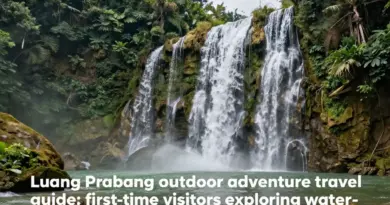
Consider visiting the Living Land Farm, an organic farm outside Luang Prabang, which offers hands-on experiences in rice farming and supports local families. Or, seek out tours to the Kuang Si Falls that integrate visits to bear rescue centers, ensuring your enjoyment contributes to conservation efforts. These examples highlight how responsible choices can enrich your travel experience while benefiting the host country.
The video above illustrates the essence of Community-Based Tourism in Laos, showcasing how travelers can engage with local communities in a way that respects their culture and supports their livelihoods. It’s a powerful reminder that tourism, when done right, can be a force for good.
Conclusion: Your Journey, Their Future
Laos offers a unique and rewarding experience for the conscious traveler. By prioritizing Ethical Activities and Experiences: Community-Based Tours, Wildlife-Friendly Adventures, and Sustainable Trekking Practices, you embark on a journey that is not only personally enriching but also contributes meaningfully to the well-being of its people and the preservation of its natural wonders. Your choices have the power to shape the future of tourism in Laos, ensuring it remains a hidden gem for generations to come. Travel with purpose, tread lightly, and let Laos captivate your heart responsibly.