Nam Et-Phou Louey National Park: The Ultimate Guide to Wildlife Spotting and Jungle Treks
- Nam Et-Phou Louey National Park: The Ultimate Guide to Wildlife Spotting and Jungle Treks
- Discovering Nam Et-Phou Louey National Park
- Wildlife Spotting: A Glimpse into Laos’ Rich Biodiversity
- Jungle Treks and Ecotourism Adventures
- Ecotourism and Conservation: A Model for Sustainable Travel
- Planning Your Trip to Nam Et-Phou Louey
- Explore the Region:
- คำถามที่พบบ่อย (FAQ)
- Q1: What is the best way to book a tour for Nam Et-Phou Louey National Park?
- Q2: What kind of wildlife can I expect to see during a visit?
- Q3: How do these tours contribute to conservation?
- Q4: Are there options for multi-day treks and overnight stays?
- Q5: What should I pack for a jungle trek in the park?
- Conclusion
Welcome to the heart of Laos’ untamed wilderness! If you’re seeking an extraordinary adventure that combines thrilling wildlife encounters with immersive jungle treks, then Nam Et-Phou Louey National Park is your ultimate destination. As the largest and most biodiverse protected area in Laos, NEPL offers an unparalleled ecotourism experience, deeply rooted in conservation and community involvement. This guide will equip you with everything you need to plan an unforgettable journey into this remarkable natural sanctuary. [2, 11]
Discovering Nam Et-Phou Louey National Park
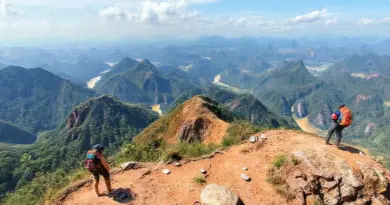
Nestled in the northeastern region of Laos, primarily within Houaphanh Province and extending into Xieng Khouang and Luang Prabang, Nam Et-Phou Louey National Park spans over 5,000 km². Its name, derived from the Nam Et River and Phou Louey Mountain (meaning ‘Forever Mountain’), perfectly encapsulates its wild and enduring spirit. Established as Laos’ first National Park in 2019, it’s a critical stronghold for a vast array of flora and fauna, boasting dramatic mountainous terrain and pristine evergreen forests. [1, 2, 11, 22]
Wildlife Spotting: A Glimpse into Laos’ Rich Biodiversity
Nam Et-Phou Louey National Park is renowned for its exceptional wildlife biodiversity, home to over fifty mammal species and more than 300 bird species. It’s one of the few places in Laos where you can hope to witness endangered species in their natural habitat. [2, 8, 11]
Key Species to Look For:
- Mammals: The park harbors a high diversity of carnivores, including clouded leopards, Asian golden cats, marbled cats, leopard cats, and the endangered dhole (wild dog). You might also spot Sambar deer, muntjacs, civets, binturongs, otters, and even two bear species (sun bear and black bear). It’s also a vital sanctuary for the critically endangered Northern White-cheeked Gibbon. [2, 4, 7, 8]
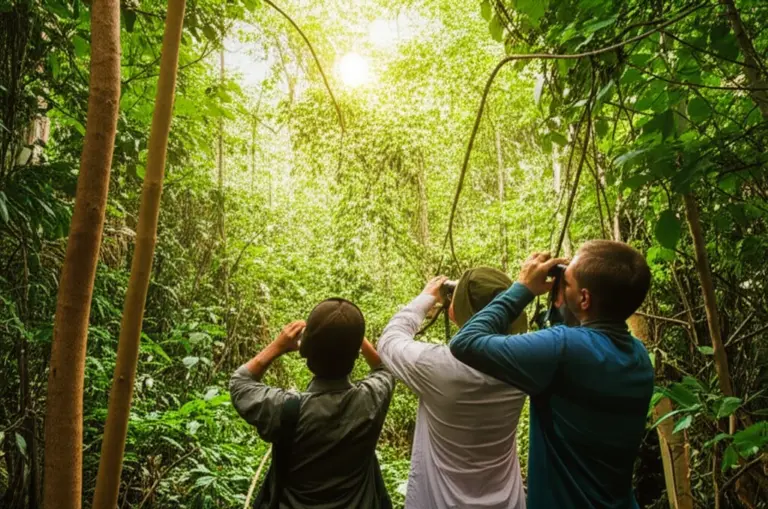
- Birds: With over 300 recorded bird species, NEPL is a birdwatcher’s paradise. Keep an eye out for hornbills, Blyth’s Kingfishers, Eared Pitta, and Red-collared Woodpeckers. [2, 4, 8]
- The Elusive Tiger: While historical records indicate tigers once roamed these jungles, evidence of their presence has been scarce since 2013, suggesting they may no longer be present in Laos. However, the park’s camera traps continue to monitor wildlife, and the conservation efforts aim to restore such apex predators. [7, 28]
Best Practices for Wildlife Spotting:
The most iconic wildlife experience is the Nam Nern Night Safari, an award-winning 24-hour boat-based tour. Drifting silently down the Nam Nern River after dark, local guides use spotlights to find nocturnal animals along the riverbanks. This offers a unique chance to spot Sambar deer, civets, and various wild cats. [1, 4, 5, 13, 15]
For daytime observations, visiting salt licks like Poung Nied, especially during early mornings, increases your chances of seeing animals attracted to the minerals. Binoculars are essential for bird spotting and tracking distant animals. [1, 3, 7]
Jungle Treks and Ecotourism Adventures
NEPL offers a range of trekking tours, from 2-day excursions to challenging 5-day expeditions, allowing visitors to immerse themselves in the pristine jungle. These treks are not just about hiking; they are an opportunity to engage directly with conservation efforts. [4, 12, 15]
Popular Trekking Options:
- The Nests: A family-friendly hike offering overnight stays in unique spherical basket shelters suspended from trees. The nearby Poung Nied salt lick provides excellent wildlife viewing opportunities. [1, 7, 12]
- Cloud Forest Climb: A more adventurous 4-5 day trek to the summit of Phou Louey (2,257m), one of the few cloud forests in the region. This challenging route allows visitors to track wildlife using camera traps and experience a different, cooler forest ecology. [1, 7, 10, 15, 18]
- Wildlife Conservation Treks: These tours, developed in 2016, allow visitors to feel like field biologists, tracking and identifying wildlife signs along the trails. Your participation directly supports the park’s wildlife monitoring program. [4, 18]
Get a visual taste of the Nam Nern Night Safari and the unique experiences awaiting you in Nam Et-Phou Louey National Park. This video offers insights into the boat journey, campsite, and the thrill of spotting nocturnal animals. [28]
Ecotourism and Conservation: A Model for Sustainable Travel
Nam Et-Phou Louey National Park stands as a prime example of successful ecotourism, where every visit directly contributes to wildlife conservation and supports local communities. The park’s ecotourism program, established in 2010 with support from the Wildlife Conservation Society (WCS), provides alternative livelihoods for former poachers, who now serve as guides, rangers, and service providers. [1, 4, 6, 13, 14, 21]
Your tour fees are channeled back into conservation efforts, including anti-poaching patrols, wildlife monitoring (through camera traps), and community development initiatives. This creates a direct incentive for local people to protect the park’s rich natural resources. [4, 6, 14, 22]
Planning Your Trip to Nam Et-Phou Louey
Best Time to Visit:
The dry season, from October to May, is generally recommended for visiting Nam Et-Phou Louey National Park. This period offers stable weather, clearer trails, and excellent visibility for wildlife spotting. For river-based tours like the Nam Nern Night Safari, November to January is ideal due to higher water levels. While the rainy season (May to October) brings lush vegetation, some trails might be slippery, and certain tours may be limited. [1, 3, 5, 7, 9, 10]
Getting There:
The most common routes to Muang Hiam, the park’s meeting point, are from Luang Prabang, Sam Neua, or Phonsavan. Public buses are available daily, though travel can be long. For more control over your schedule, renting a car or motorcycle is an option. All park tours arrange transportation from Muang Hiam to the ecotourism villages. [1, 2, 6, 10]
What to Bring:
- Long-sleeved shirts and pants, hiking shoes for jungle explorations. [1]
- Camera with a good zoom lens and binoculars for wildlife photography and spotting. [1]
- Insect repellent, sun protection, and a light jacket for cooler nights. [9]
- Basic toiletries and any personal medications.
Important Considerations:
Access to the protected area is exclusively through organized tours by the park’s ecotourism unit. It’s crucial to book your tour in advance. The park actively discourages going solo to ensure safety and adherence to conservation guidelines. [1, 6]
Explore the Region:
คำถามที่พบบ่อย (FAQ)
Q1: What is the best way to book a tour for Nam Et-Phou Louey National Park?
A1: Tours to Nam Et-Phou Louey National Park must be booked through the park’s official ecotourism unit. This ensures that your visit directly supports conservation efforts and local communities. It is advisable to book in advance, especially during peak season. [1, 6]
Q2: What kind of wildlife can I expect to see during a visit?
A2: The park is home to a wide array of species, including various wild cats (clouded leopards, Asian golden cats), dholes, Northern White-cheeked Gibbons, Sambar deer, civets, and otters. Birdwatching is also excellent, with many hornbill species. The Nam Nern Night Safari is particularly good for spotting nocturnal mammals. [2, 4, 8, 15]
Q3: How do these tours contribute to conservation?
A3: The ecotourism program at Nam Et-Phou Louey National Park is designed to create a direct link between tourism and conservation. Visitor fees provide sustainable livelihoods for local communities, including former poachers who are now employed as guides and rangers, and fund anti-poaching patrols and wildlife monitoring, creating a strong incentive for wildlife protection. [4, 6, 14]
Q4: Are there options for multi-day treks and overnight stays?
A4: Yes, Nam Et-Phou Louey offers a variety of multi-day trekking options, ranging from 2 to 5 days. These include experiences like ‘The Nests,’ where you can stay in unique tree-suspended shelters, and the ‘Cloud Forest Climb’ to the summit of Phou Louey Mountain, often including homestays in ethnic villages. [7, 12, 15, 18]
Q5: What should I pack for a jungle trek in the park?
A5: Essential items include long-sleeved shirts and pants, sturdy hiking shoes, a camera with a good zoom, binoculars, insect repellent, sun protection, and a light jacket for cooler evenings. Don’t forget any personal medications. [1, 9]
Conclusion
Nam Et-Phou Louey National Park offers more than just a trip; it’s an immersive journey into the heart of Laos’ conservation success story. By choosing to explore its rich biodiversity and dramatic landscapes, you become an active participant in protecting endangered species and supporting the livelihoods of local communities. Whether you’re captivated by the thrill of a night safari, the challenge of a cloud forest trek, or the serene beauty of its pristine environment, Nam Et-Phou Louey promises an adventure that is both exhilarating and profoundly impactful. Plan your visit today and be part of this extraordinary conservation endeavor. [1, 5, 13]
References
- Asia King Travel: Nam Et-Phou Louey Protected Area
- Discover Laos: Nam Et-Phou Louey National Park
- Audley Travel: Visit Nam Et-Phou Louey, Laos
- InsideAsia Tours: Link travel with wildlife conservation at Nam Et Phou Louey National Park
- Viland Travel: Nam Et–Phou Louey Eco Luxury | Wildlife & Night Safari
- Nam Et-Phou Louey National Park: Visit the park
- Wikipedia: Nam Et–Phou Louey National Park
- Nam Et-Phou Louey National Park: Wildlife
- Take your Backpack: Visiting Nam Et-Phou Louey National Protected Area
- Sonasia Holiday: Nam Et – Phou Louey NPA Travel
- Nam Et-Phou Louey National Park: About the Park
- Laos Trekking Tours: Nam Et-Phou Louey National Park Trekking Tours
- Nam Et-Phou Louey National Park: Home
- EXO Foundation: Nam Et–Phou Louey National Park
- Nam Et-Phou Louey National Park: Wildlife Tours
- YouTube: NIGHT SAFARI with the BEST local guide! Nam Et – Phou Louey National Park
- Laos Trekking Tours: 7 Days Nam Et-Phou Louey National Park Challenge Trek
- InsideAsia Tours: Hiking in Laos: Nam Et-Phou Louey
- WCS Lao PDR: Nam Et-Phou Louey NP
- Why Visit Nam Et-Phou Louey? Understanding the Park’s Unique Ecosystems, Best Seasons, and What Wildlife You Can Expect to See
- Planning Your Trip: How to Get There, Permits, Guided Tour Options, and Recommended Multi-Day Trek Itineraries
- Wildlife Spotting Techniques and Ethical Practices: Where to Find Key Species, Best Times for Sightings, and Responsible Photography