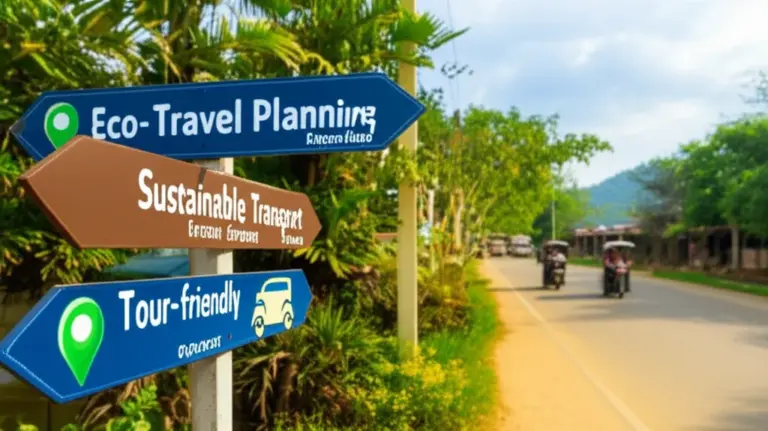
How to Plan an Eco-Friendly Laos Trip — Choosing Transport, Seasons, and Responsible Tour Operators
- How to Plan an Eco-Friendly Laos Trip — Choosing Transport, Seasons, and Responsible Tour Operators
- Why Choose an Eco-Friendly Laos Trip?
- Navigating Laos Sustainably: Eco-Friendly Transport Options
- Timing Your Visit: Best Seasons for Sustainable Travel in Laos
- Partnering with Purpose: Choosing Responsible Tour Operators
- Beyond Transport and Operators: Other Eco-Conscious Practices
- คำถามที่พบบ่อย (FAQ)
- What is the best way to reduce my environmental impact while traveling in Laos?
- How can I identify a truly responsible tour operator in Laos?
- Is it better to travel to Laos during the dry or green season for an eco-friendly trip?
- What are some local customs I should be aware of to be a respectful traveler in Laos?
Laos, the ‘Land of a Million Elephants,’ beckons with its serene landscapes, ancient temples, and a culture deeply rooted in tradition. As travelers increasingly seek meaningful experiences that respect both people and planet, planning an eco-friendly Laos trip has become a priority. This guide will help you navigate the beautiful country responsibly, ensuring your adventure leaves a positive impact, from selecting sustainable transport and ideal travel seasons to identifying truly responsible tour operators. Let’s embark on a journey that honors Laos’s natural beauty and rich heritage.
Why Choose an Eco-Friendly Laos Trip?
The allure of Laos is undeniable, but with growing tourism comes the responsibility to protect its pristine environment and support its local communities. An eco-friendly approach ensures that your visit contributes positively, fostering conservation, empowering locals, and preserving cultural integrity for generations to come. It’s about experiencing the authentic Laos without compromising its future. Laos is actively promoting nature-based tourism to boost its economy and protect its natural heritage, encouraging eco-friendly projects and sustainable practices [12, 14]. This commitment makes it an ideal destination for conscious travelers.
Transportation often accounts for a significant portion of a trip’s carbon footprint. In Laos, you have several options to minimize your environmental impact while still exploring its wonders. Choosing local and slower forms of transport not only reduces emissions but also enhances your cultural immersion.
Public Transport: Buses, Minivans, and Songthaews
Embrace the local way of life by utilizing Laos’s extensive network of public buses, minivans, and ‘songthaews’ (pickup trucks with benches). These options are not only budget-friendly but also significantly more eco-conscious than private taxis or internal flights. They allow you to travel alongside locals, offering genuine interactions and a deeper insight into daily life. While they might be slower and less comfortable than private alternatives, the experiences gained are invaluable.
River Travel: Boats on the Mekong and Beyond
The Mekong River is the lifeblood of Laos, and traveling by boat is an iconic and relatively eco-friendly way to see the country. Slow boats between Huay Xai and Luang Prabang, or exploring the 4,000 Islands (Si Phan Don) in the south, offer breathtaking scenery and a tranquil pace. Opt for operators who prioritize passenger safety and responsible waste disposal. This mode of transport connects you directly with the natural environment and riverine communities.
Bicycles and Walking: Explore Locally
For shorter distances, especially within towns like Luang Prabang or Vang Vieng, cycling and walking are ideal. They produce zero emissions, keep you active, and allow you to discover hidden gems that you might miss otherwise. Many guesthouses and shops offer bicycle rentals, making it an accessible and enjoyable option for local exploration.
Timing Your Visit: Best Seasons for Sustainable Travel in Laos
The season you choose to visit Laos can significantly impact your experience and the environment. Spreading tourism throughout the year helps to alleviate pressure on popular sites and supports local economies more consistently.
Dry Season (October to April): Pros and Cons
This is traditionally the peak tourist season, offering pleasant temperatures and minimal rainfall, making it ideal for outdoor activities and comfortable travel. However, increased visitor numbers can strain resources and lead to higher prices. If you travel during this time, consider visiting less-frequented areas or opting for off-peak hours at popular attractions.
Green Season/Wet Season (May to September): Pros and Cons
Often overlooked, the green season brings lush landscapes, fewer crowds, and lower prices. While there are occasional heavy downpours, they typically don’t last all day. This period offers a unique perspective of Laos’s vibrant nature and supports local businesses during their quieter months, contributing to a more sustainable distribution of tourism income. Rivers are full, waterfalls are spectacular, and the air is fresh.
Partnering with Purpose: Choosing Responsible Tour Operators
The right tour operator can make all the difference in ensuring your eco-friendly Laos trip is genuinely sustainable. Look for companies that demonstrate a clear commitment to responsible tourism principles.
What to Look For in an Eco-Friendly Operator
- Local Employment & Fair Wages: Operators should prioritize hiring local staff and ensure they receive fair wages and good working conditions.
- Environmental Protection: They should have policies for waste management, energy conservation, and minimizing their ecological footprint. Look for efforts in plastic reduction and supporting conservation projects.
- Community Engagement: Responsible operators actively support local communities through direct purchasing, cultural exchanges, and contributions to local development projects.
- Cultural Sensitivity: They should educate travelers on local customs and traditions, encouraging respectful interactions and avoiding activities that exploit culture or wildlife.
- Small Group Sizes: Smaller groups tend to have less impact on fragile environments and offer more authentic experiences.
Researching and Vetting Operators
Don’t just take an operator’s word for it. Look for certifications from reputable sustainable tourism organizations, read reviews from other eco-conscious travelers, and don’t hesitate to ask direct questions about their practices before booking. Websites like Responsible Travel offer valuable insights into responsible tourism issues in Laos and tips for making a positive impact [5]. Organizations like Green Discovery Laos are examples of operators focusing on adventure and eco-tourism [8, 9].
Here’s a short video highlighting sustainable places and practices in Laos:
Beyond Transport and Operators: Other Eco-Conscious Practices
Your commitment to an eco-friendly Laos trip extends to your daily habits while traveling. Every small action contributes to a larger positive impact.
- Reduce Plastic Waste: Carry a reusable water bottle and fill it up at guesthouses or cafes. Refuse single-use plastics wherever possible.
- Support Local Businesses: Eat at local restaurants, buy handicrafts directly from artisans, and stay in locally-owned accommodations. This ensures your money directly benefits the community.
- Respect Local Culture and Traditions: Dress modestly, especially when visiting temples. Ask permission before taking photos of people. Learn a few basic Lao phrases to show respect.
- Conserve Resources: Be mindful of your water and electricity consumption, especially in regions where these resources may be scarce.
- Offset Your Carbon Footprint: Consider donating to reputable carbon offset programs to mitigate the emissions from your flights.
By incorporating these practices, you become a conscious traveler, contributing to a more sustainable future for Laos. Your journey can be a powerful force for good, demonstrating that responsible tourism is not just a trend, but a necessity for preserving our world’s treasures.
คำถามที่พบบ่อย (FAQ)
Planning an eco-friendly Laos trip is a rewarding endeavor that benefits everyone. By making conscious choices about your transport, timing, and tour operators, and by adopting sustainable practices throughout your journey, you contribute to the preservation of Laos’s incredible natural and cultural heritage. Your adventure can be both memorable and meaningful, showcasing the beauty of responsible travel. So, pack your bags with purpose and get ready to experience the true heart of Laos, sustainably.
References
- Laos Introduces New Regulation to Boost Nature-Based Tourism in National Parks and Protected Areas
- Laos’ Tourism Industry Experiences Unprecedented Growth, Surpassing Three Million Tourist Arrivals In The First Eight Months Of 2025
- Responsible tourism in Laos
- Green Discovery Laos Official Website
- Sustainable Travel in Laos: Essential Tips to Minimize Your Environmental and Cultural Impact
- Why Sustainable Travel Matters in Laos — Understanding Environmental, Social, and Economic Impacts
- Low-Impact Activities and Responsible Cultural Etiquette — Where to Visit, What to Do, and How to Respect Local Communities