Low-Impact Activities and Responsible Cultural Etiquette — Where to Visit, What to Do, and How to Respect Local Communities
- Low-Impact Activities and Responsible Cultural Etiquette — Where to Visit, What to Do, and How to Respect Local Communities
Laos, the ‘Land of a Million Elephants,’ is a jewel of Southeast Asia, often cherished for its serene landscapes, ancient temples, and the gentle rhythm of life along the Mekong River. As its popularity grows, embracing responsible tourism in Laos is paramount to preserving its unique charm, delicate ecosystems, and vibrant cultural heritage. This guide offers insights into low-impact activities, ethical engagements, and crucial cultural etiquette, ensuring your journey contributes positively to the local communities and environment. [8, 12, 17, 23]
Why Responsible Tourism Matters in Laos
Laos, while rich in culture and natural beauty, is also one of the poorest nations in the Mekong region. [8] The burgeoning tourism industry presents both opportunities and challenges. Responsible travel ensures that economic benefits reach local people, supporting their livelihoods and fostering community development, rather than exacerbating existing inequalities or causing environmental degradation. By making conscious choices, visitors can help protect Laos’s biodiversity, cultural traditions, and contribute to a sustainable future for its people. [8, 11, 12, 15, 18, 21, 24]
Where to Visit for Low-Impact Experiences
Luang Prabang: A UNESCO Gem
Luang Prabang, a UNESCO World Heritage site, is a prime example of sustainable tourism in Laos. Its tranquil atmosphere, gilded temples, and French colonial architecture invite exploration at a leisurely pace. Engage in the daily alms-giving ceremony (Tak Bat) with respectful observation, visit local artisan workshops, and explore the serene temples. Consider staying in eco-certified accommodations and supporting local businesses directly. [16, 17]
Vang Vieng: Beyond the Party Scene
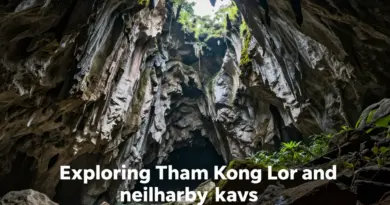
Once known for its raucous party scene, Vang Vieng has transformed into a hub for nature-based, low-impact activities. Embrace its stunning karst landscapes through kayaking, caving, rock climbing, and trekking. [16, 23, 31] Focus on exploring the blue lagoons, viewpoints like Nam Xay, and supporting local guides who offer responsible outdoor adventures. The Lao government is actively developing and managing Vang Vieng for sustainable tourism. [16]
Southern Laos: The Bolaven Plateau and 4,000 Islands
The Bolaven Plateau, renowned for its coffee plantations, cascading waterfalls (like Tad Fane and Tad Lo), and ethnic minority villages, offers a glimpse into traditional Lao life. Cycling through this region allows for slow, immersive travel and direct interaction with local communities. [17, 24] Further south, the 4,000 Islands (Si Phan Don) in the Mekong River provide a laid-back, rural experience. Opt for locally-owned guesthouses and support small businesses on islands like Don Det and Don Khon. [28]
Community-Based Tourism (CBT) Initiatives
For a truly low-impact and enriching experience, seek out community-based tourism (CBT) projects. These initiatives, often found in regions like Nam Ha National Protected Area (Luang Namtha) and Nong Khiaw, allow visitors to stay in village homestays, participate in traditional activities, and explore nature with local guides. [11, 13, 18, 20, 22, 24] CBT directly empowers local communities by providing alternative incomes, preserving cultural heritage, and supporting environmental conservation. [18, 24]
What to Do: Engaging in Authentic and Ethical Activities
Embrace the Local Way of Life
To truly experience Laos, embrace its slow pace and unique offerings. Your choices directly impact the local economy and environment.
Ethical Elephant Sanctuaries
If you wish to interact with elephants, choose ethical sanctuaries that prioritize the animals’ welfare and conservation. Avoid any establishments offering elephant riding or performances, as these often involve cruel training practices. Support organizations dedicated to rescuing and rehabilitating elephants, allowing them to live in a natural environment. [8, 12]
Supporting Local Artisans and Businesses
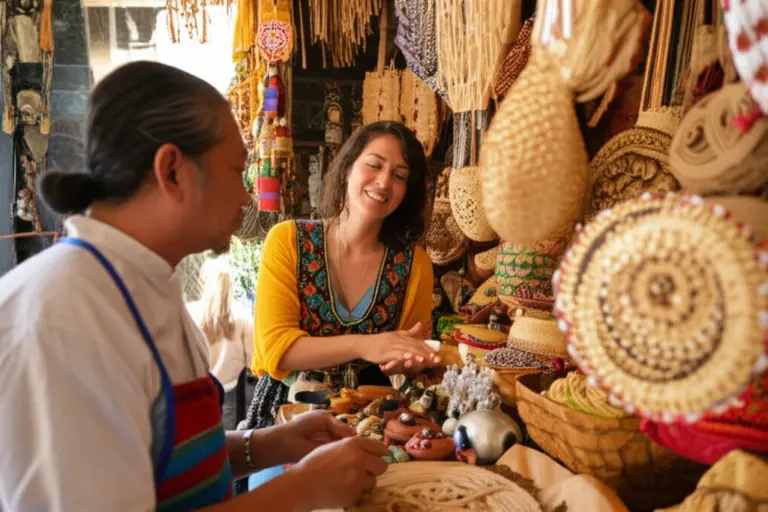
Purchase authentic handicrafts, textiles, and souvenirs directly from local markets and small shops rather than large tourist centers. This ensures your money directly benefits the artisans and helps preserve traditional crafts. [4, 9, 15] Engage with vendors, learn about their craft, and contribute to the local economy. [9]
Participating in Community-Based Tourism Projects
Seek out opportunities to engage in community-based tourism. This might involve homestays, cooking classes with local families, or guided treks that employ villagers. These experiences offer profound cultural exchange and ensure that your tourism dollars directly support the host communities. [13, 18, 20, 22, 24]
Eco-Friendly Practices
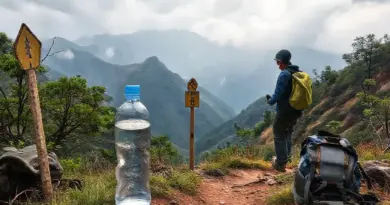
Minimize your environmental footprint by carrying a refillable water bottle to reduce plastic waste, refusing single-use plastics, and disposing of trash responsibly. [12, 15, 21] When exploring natural sites, stay on marked trails and avoid disturbing wildlife or vegetation. [9]
Savoring Lao Cuisine
Indulge in the delicious local food at street stalls and local restaurants. This not only enhances your travel experience but also supports local farmers and small businesses. Try traditional dishes like laap (minced meat salad) and khao niew (sticky rice). [6, 15]
How to Respect Local Communities: Cultural Etiquette in Laos
Understanding and respecting local customs is crucial for a meaningful and harmonious visit to Laos. The Lao people are known for their gentle nature and hospitality. [2, 3, 9, 10]
| Cultural Aspect | Do’s | Don’ts |
|---|---|---|
| Dress Code & Modesty | Dress modestly, covering shoulders and knees, especially in temples and rural areas. [2, 3, 4, 6, 7, 9, 10, 14, 23, 25] | Avoid revealing clothing, swimwear, or tank tops in public places or religious sites. [2, 3, 4, 6, 7, 9, 10, 14, 23, 25] |
| Temple Etiquette | Remove shoes before entering temples or homes. Sit with your feet tucked away, not pointing at Buddha images or monks. [3, 4, 6, 7, 9, 14, 25] | Do not touch Buddha images. Women should not touch monks or their robes. Do not sit or stand higher than a monk or Buddha statue. [2, 3, 4, 6, 7, 9, 14, 25] |
| Greetings & Body Language | Greet with a ‘Nop’ (palms together at chin level) and a ‘Sabaidee’ (hello). Use your right hand for giving and receiving items. [2, 4, 6, 7, 9, 10, 19, 26] | Avoid touching people’s heads (considered sacred) or pointing your feet at anyone (considered the lowest part of the body). Refrain from public displays of affection. [3, 4, 6, 7, 9, 10, 14, 19, 23, 25, 26] |
| Photography | Always ask for permission before taking photos of people, especially monks, children, or in remote villages. [2, 4, 6, 9, 10, 19] | Do not take photos of monks while they are meditating or if they indicate they do not wish to be photographed. Do not offer money for photos. [4, 9, 19] |
| Interactions & Conduct | Speak softly, maintain a calm demeanor, and avoid public arguments or raising your voice. Learn basic Lao phrases. [7, 10, 12, 14, 19, 23] | Do not give money or gifts directly to children, as this can encourage begging. Avoid discussing politics or criticizing the government. [7, 14] |
For a more visual guide on cultural norms in Laos, watch this informative video:
Benefits of Responsible Travel
By practicing responsible tourism in Laos, you not only ensure a more authentic and enriching experience for yourself but also contribute significantly to the well-being of the local people and the preservation of the country’s natural and cultural assets. [11, 12, 15, 18, 21, 24] It fosters cross-cultural understanding, empowers communities, and protects the environment for future generations to enjoy. [3, 11, 12, 18, 24]
Embrace the spirit of ‘Baw Pen Nyang‘ (no worries) with mindfulness and respect, and your journey through Laos will be an unforgettable adventure that leaves a positive mark.
คำถามที่พบบ่อย (FAQ)
References
- Laos etiquette – things to notice – 18 Dos & Don’ts for tourists – Sonasia Holiday [2]
- Cultural Etiquette and Social Norms in Laos for Travelers [3]
- Our Guide to Responsible Travel in Laos [4]
- Lasting Laos: Promoting sustainable tourism in Laos [5]
- Dos and Don’ts in Laos | Laos Tour Operator – Best Laos Travel Packages 2024/2025 [6]
- Dos and Don’ts in Laos • EXPLORE LAOS Culture [7]
- Responsible tourism in Laos [8]
- DO’S & DON’TS – lao embassy in canberra [9]
- Do’s and Don’ts While Travelling Laos [10]
- Eco-Tourism in Laos – Tiger Trail Travel [11]
- Sustainable Tourism in Laos | Guide to Eco-Friendly Travel – Brother Tours [12]
- Get involved with Community-Based Tourism in Laos | Selective Asia [13]
- DO’s and DON’Ts in LAOS | NEVER DO THIS – YouTube [14]
- 5 Tips for Sustainable Travel in Laos [15]
- Feature: Laos intensifies efforts to foster sustainable tourism development – Xinhua [16]
- Exploring the Untouched Beauty of Laos A Sustainable Adventure – Brother Tours [17]
- Community-Based Tourism in the Lao PDR: An Overview – LAD [18]
- Essential Laotian Travel Rules | What Every Traveler Should Know – YouTube [19]
- Laos Ecotourism Projects [20]
- A Guide to Responsible Travel in LAOS! [21]
- Laos Community Based Tourism ” Laos CBT” [22]
- 15 Things You Should Know BEFORE Visiting Laos – YouTube [23]
- Laos Ecotourism: Explore Pristine Nature and Authentic Local Living – Asia King Travel [24]
- 15 Taboos and Strange Facts You Must Know Before Travelling to Laos – YouTube [25]
- 15 Fascinating Secrets About Laos You Won’t Believe – Travel Documentary – YouTube [26]
- ONE WEEK IN LAOS backpacking southeast asia travel vlog – YouTube [31]