Sustainable Travel in Laos: Essential Tips to Minimize Your Environmental and Cultural Impact
- Sustainable Travel in Laos: Essential Tips to Minimize Your Environmental and Cultural Impact
Laos, the ‘Land of a Million Elephants,’ captivates visitors with its serene landscapes, ancient temples, and vibrant cultures. As its popularity as a tourist destination grows, so does the importance of adopting responsible practices. Embracing Sustainable Travel in Laos is not just a trend; it’s a crucial commitment to preserving this beautiful country for future generations. This guide offers essential tips to help you minimize your environmental and cultural footprint, ensuring your journey is as enriching for Laos as it is for you. From respecting local traditions to making eco-conscious choices, every action contributes to a more sustainable future for Laotian tourism.
Did You Know?
Laos is known for its laid-back atmosphere, often referred to as ‘Lao time,’ reflecting a slower, more relaxed pace of life. This unique characteristic underscores the importance of mindful and unhurried travel.
Why Sustainable Travel Matters in Laos
The delicate balance of Laos’s natural ecosystems and rich cultural tapestry makes it particularly vulnerable to the pressures of mass tourism. By choosing sustainable travel, you play a vital role in protecting its unique heritage and supporting its communities.
Protecting Laos’s Natural Wonders
Laos boasts pristine rainforests, majestic Mekong River landscapes, and diverse wildlife. Unchecked tourism can lead to deforestation, pollution of waterways, and disruption of animal habitats. Sustainable practices help conserve these invaluable natural assets.
Preserving Rich Cultural Heritage
From ancient Buddhist temples to traditional village life, Laos’s culture is deeply ingrained in its daily existence. Insensitive tourism can erode local customs, commercialize sacred rituals, and lead to a loss of cultural identity. Respectful engagement ensures these traditions endure.
Supporting Local Communities
Sustainable tourism directs economic benefits directly to local people, fostering community development and providing alternative livelihoods. This helps reduce poverty and empowers communities to take ownership of their heritage and environment.
Practical Tips for Minimizing Environmental Impact
Every traveler has the power to make a difference. By adopting these simple yet effective environmental practices, you can significantly reduce your footprint while enjoying the beauty of Laos.
Reduce, Reuse, Recycle: Plastic and Waste Management
Plastic pollution is a significant global challenge, and Laos is no exception. Be part of the solution:
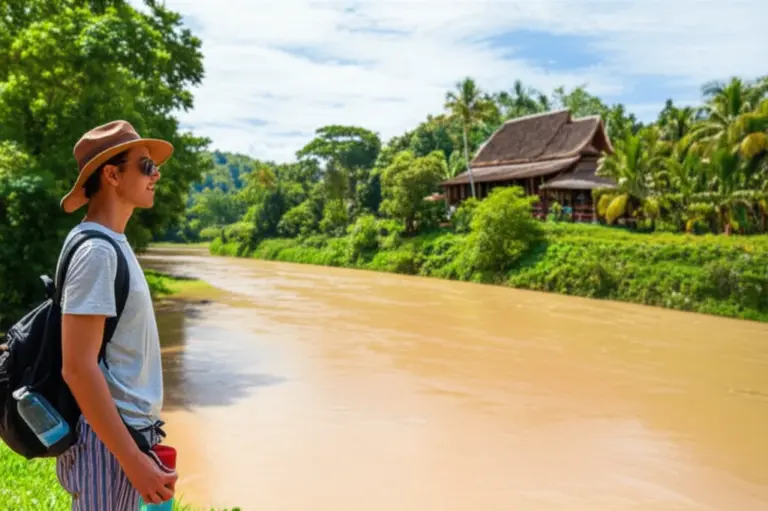
- Carry a reusable water bottle and refill it at guesthouses or cafes that offer filtered water.
- Say no to plastic straws and bags. Bring your own reusable shopping bag.
- Dispose of your waste properly, and if recycling facilities are unavailable, consider carrying non-biodegradable waste with you until you find appropriate disposal.
Conserve Resources: Water and Energy
Water and electricity are precious resources. Be mindful of your consumption:
- Take shorter showers and turn off the tap while brushing your teeth.
- Switch off lights and air conditioning when leaving your room.
- Choose accommodations that implement energy-saving measures.
Respect Wildlife and Nature
Laos is home to diverse flora and fauna. Observe wildlife from a distance and never disturb their natural habitats.
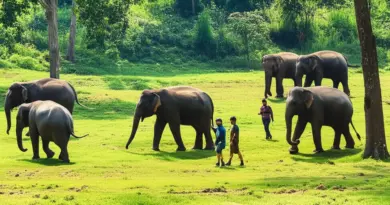
- Avoid activities that exploit animals, such as elephant riding. Instead, support ethical sanctuaries.
- Stay on marked trails when trekking to prevent damage to vegetation.
- Do not collect plants, rocks, or historical artifacts.
Choose Eco-Friendly Transportation
Minimize your carbon footprint by opting for sustainable transport options:
- Walk or cycle whenever possible, especially in towns like Luang Prabang.
- Use public transport or shared taxis for longer distances.
- Consider slow travel options, such as riverboats along the Mekong.
Watch this video for a glimpse into sustainable places to visit in Laos.
Essential Tips for Minimizing Cultural Impact
Respecting the local culture is paramount to Sustainable Travel in Laos. Your interactions can leave a lasting impression, positive or negative.
Learn and Respect Local Customs and Traditions
A little research goes a long way in showing respect:
- Remove your shoes before entering homes or temples.
- Dress modestly, especially when visiting religious sites. Shoulders and knees should be covered.
- Avoid touching people’s heads, as it’s considered the most sacred part of the body.
- Do not point your feet at people or Buddha images, as feet are considered the lowest part of the body.
- Observe the alms giving ceremony in Luang Prabang respectfully from a distance, without disturbing the monks or using flash photography.
Dress Modestly
Modesty is highly valued in Laotian society. Opt for conservative clothing, particularly in rural areas and religious sites. Light, breathable fabrics are ideal for the climate.
Support Local Businesses and Artisans
Directly supporting local enterprises ensures your money benefits the community:
- Buy souvenirs from local markets and artisan workshops, not mass-produced imports.
- Eat at family-run restaurants and guesthouses.
- Hire local guides for tours and treks.
Engage Respectfully with Locals
Friendly and respectful interaction enriches your experience and shows appreciation for the local culture:
- Learn a few basic Lao phrases like ‘Sabaidee’ (hello) and ‘Khop Jai’ (thank you).
- Always ask for permission before taking photos of people, especially children.
- Bargain respectfully in markets, but don’t overdo it for small amounts. Remember, a few kip means more to them than to you.
Ethical Photography
Photography can be intrusive if not handled thoughtfully. Be mindful and respectful:
- Always ask for permission before taking close-up photos of individuals, especially monks and tribal people.
- Avoid taking photos during religious ceremonies unless explicitly permitted and you can do so discreetly.
- Be aware of your surroundings and avoid being disruptive in your pursuit of the perfect shot.
Choosing Responsible Accommodations and Tour Operators
Your choice of where to stay and who to travel with can have a profound impact on the sustainability of your trip.
Look for Eco-Certified Options
Research accommodations and tour operators that prioritize environmental protection and community benefits. Look for certifications or clear statements about their sustainable practices.
Prioritize Local-Owned Businesses
Opt for guesthouses, restaurants, and tour companies that are locally owned and operated. This ensures that the money you spend stays within the local economy and directly supports Laotian families.
Leaving a Positive Legacy
Ultimately, Sustainable Travel in Laos is about leaving a positive mark. By being a conscious and respectful traveler, you contribute to a future where Laos can continue to share its beauty and culture with the world, without compromising its integrity. Embrace the ‘Lao time’ philosophy, slow down, observe, and connect authentically with the people and places you encounter. Your thoughtful choices will not only enhance your own journey but also help safeguard the Land of a Million Elephants for generations to come.
คำถามที่พบบ่อย (FAQ)
- Why Sustainable Travel Matters in Laos — Understanding Environmental, Social, and Economic Impacts
- How to Plan an Eco-Friendly Laos Trip — Choosing Transport, Seasons, and Responsible Tour Operators
- Low-Impact Activities and Responsible Cultural Etiquette — Where to Visit, What to Do, and How to Respect Local Communities