Why Sustainable Travel Matters in Laos — Understanding Environmental, Social, and Economic Impacts
- Why Sustainable Travel Matters in Laos — Understanding Environmental, Social, and Economic Impacts
- The Environmental Imperative: Protecting Laos’ Natural Wonders
- Social Responsibility: Empowering Local Communities
- Economic Resilience: Long-Term Benefits for Laos
- How Travelers Can Practice Sustainable Travel in Laos
- Conclusion: A Shared Journey Towards a Sustainable Future
- คำถามที่พบบ่อย (FAQ)
- What does “sustainable travel” mean in the context of Laos?
- How can my travel choices directly benefit local communities in Laos?
- What are some environmental challenges Laos faces due to tourism?
- How can I minimize my carbon footprint while traveling to Laos?
Laos, often referred to as the “Land of a Million Elephants,” is a country of breathtaking natural beauty, rich cultural heritage, and warm, welcoming people. As global tourism continues to grow, so does the imperative for responsible practices. For those interested in Laos tourism, understanding why sustainable travel in Laos matters is crucial. It’s not merely a buzzword; it’s a commitment to preserving the country’s unique allure for future generations while ensuring that current tourism benefits all stakeholders. This article delves into the profound environmental, social, and economic impacts of sustainable tourism, offering insights into how mindful travel can contribute positively to this enchanting nation.
The Environmental Imperative: Protecting Laos’ Natural Wonders
Laos is home to diverse ecosystems, from dense tropical forests and majestic mountains to the life-giving Mekong River. These natural assets are a primary draw for tourists, yet mass tourism, if unchecked, can lead to irreversible damage. Sustainable travel practices are essential to safeguard these precious environments.
Biodiversity and Ecosystems at Risk
The country’s rich biodiversity includes rare wildlife species and endemic flora. Unregulated tourism can encroach upon natural habitats, leading to deforestation, wildlife disturbance, and the degradation of sensitive ecosystems. Sustainable initiatives, such as eco-lodges that adhere to strict environmental standards and guided treks that promote minimal impact, help protect these fragile areas. For example, the Nam Et-Phou Louey National Protected Area is a prime example where responsible tourism directly funds conservation efforts and provides income to local communities who act as stewards of the wildlife.
Waste Management and Pollution
Increased tourist numbers invariably lead to increased waste. Without proper infrastructure, this can result in pollution of rivers, land, and air, impacting both local health and the aesthetic appeal of destinations. Sustainable travel encourages practices like reducing single-use plastics, supporting businesses with robust waste management systems, and participating in clean-up initiatives. Travelers choosing accommodations that prioritize waste reduction or carrying reusable water bottles directly contribute to a cleaner Laos.
Climate Change and Carbon Footprint
Air travel is a significant contributor to carbon emissions. While it’s challenging to eliminate this entirely, sustainable travel promotes conscious choices, such as choosing direct flights, opting for longer stays to reduce frequent travel, and utilizing local, low-carbon transportation options like cycling or walking once at the destination. Supporting tour operators who invest in carbon offsetting programs or use fuel-efficient vehicles also plays a role in mitigating the climate impact of Laos tourism.
Social Responsibility: Empowering Local Communities
Beyond the environment, sustainable travel deeply impacts the social fabric of Laos. It’s about ensuring that tourism respects local cultures, traditions, and provides genuine benefits to the people who call Laos home.
Cultural Preservation and Authenticity
Laos boasts a rich tapestry of ethnic groups, each with unique customs, languages, and artistic expressions. Unsustainable tourism can lead to the commodification of culture, eroding authenticity and turning traditions into mere spectacles. Responsible travelers engage respectfully, seek genuine cultural exchanges, and support initiatives that help preserve traditional crafts, music, and ceremonies. Visiting cultural heritage sites like Luang Prabang with an understanding of local etiquette, such as dressing modestly at temples, exemplifies respectful engagement.
Community-Based Tourism (CBT) Initiatives
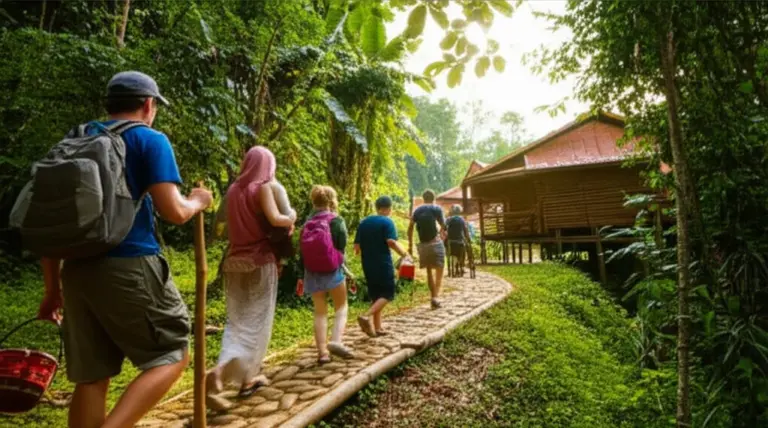
Community-Based Tourism (CBT) projects are at the heart of sustainable development in Laos. These programs empower local villagers to manage and benefit directly from tourism, offering authentic experiences like homestays, traditional cooking classes, and guided village tours. By choosing CBT, travelers ensure that their money directly supports families and community projects, fostering pride and economic independence. This model is a cornerstone of effective sustainable travel in Laos.
Fair Labor Practices and Local Employment
Sustainable tourism prioritizes fair wages, safe working conditions, and opportunities for local employment. It moves away from exploitative practices where profits are siphoned off by large, foreign-owned corporations, often leaving local workers with minimal benefits. Travelers can support this by choosing locally-owned businesses, asking about staff welfare, and opting for tour companies that transparently commit to fair labor standards.
Economic Resilience: Long-Term Benefits for Laos
The economic benefits of tourism can be substantial, but sustainability ensures these benefits are distributed equitably and contribute to long-term national development, rather than short-term gains that leave communities vulnerable.
Diversifying Local Economies
While agriculture remains a significant sector, tourism offers an avenue for economic diversification. Sustainable tourism encourages the development of various local enterprises, from small guesthouses and restaurants to handicraft producers and local guides. This reduces reliance on a single industry and creates a more resilient economy.
Supporting Local Businesses and Artisans
A cornerstone of sustainable economic impact is directing tourist spending toward local businesses. This means buying souvenirs directly from artisans, eating at local eateries, and hiring local guides. Every dollar spent within the local economy circulates further, supporting families, education, and healthcare. This is particularly vital for the growth of sustainable travel in Laos.
Investing in Infrastructure and Services
Revenue generated from sustainable tourism can be reinvested into improving local infrastructure, such as roads, clean water supply, and educational facilities, benefiting not only tourists but also the resident population. It also supports the maintenance and development of national parks and heritage sites, ensuring their long-term viability.
How Travelers Can Practice Sustainable Travel in Laos
| Action | Impact |
|---|---|
| Choose local tour operators and guides | Ensures money stays within the local economy and supports fair wages. |
| Buy local handicrafts directly from artisans | Preserves traditional skills and provides direct income to creators. |
| Reduce plastic waste (e.g., use refillable water bottles) | Minimizes pollution and strain on waste management systems. |
| Respect wildlife and natural habitats | Supports conservation efforts and prevents disturbance to ecosystems. |
| Dress modestly and respect local customs | Shows cultural sensitivity and promotes positive interactions. |
| Stay in eco-friendly accommodations or community homestays | Supports businesses committed to environmental and social responsibility. |
The future of Laos tourism hinges on a collective commitment to sustainability. By understanding the intricate environmental, social, and economic impacts, travelers can make informed decisions that contribute to the well-being of the country and its people. Sustainable travel in Laos is not just about reducing harm; it’s about actively fostering a vibrant, resilient, and authentic experience for all – a journey where every step taken is a step towards a better tomorrow for the Land of a Million Elephants.
Learn more about sustainable tourism efforts in Laos:
คำถามที่พบบ่อย (FAQ)
References
- Laos Introduces New Regulation to Boost Nature-Based Tourism in National Parks and Protected Areas. [15]
- Ecotourism sustaining landscapes and livelihoods in Lao PDR – YouTube. [3]
- Forest Retreat Laos: Eco-Tourism Specialist.
- Mekong Tourism: Sustainable Tourism Development.
- Sustainable Travel in Laos: Essential Tips to Minimize Your Environmental and Cultural Impact
- How to Plan an Eco-Friendly Laos Trip — Choosing Transport, Seasons, and Responsible Tour Operators
- Low-Impact Activities and Responsible Cultural Etiquette — Where to Visit, What to Do, and How to Respect Local Communities