Trekking in Northern Laos: The Best Trails, What to Expect, and How to Choose the Right Tour Operator
- Trekking in Northern Laos: The Best Trails, What to Expect, and How to Choose the Right Tour Operator
Northern Laos, a land of mist-shrouded mountains, lush jungles, and vibrant ethnic cultures, offers some of Southeast Asia’s most authentic and rewarding trekking experiences. For adventurers seeking more than just picturesque scenery, Trekking in Northern Laos provides an unparalleled opportunity for cultural immersion and genuine connection with nature. This guide delves into the region’s best trails, what you can expect on your journey, and crucial advice on selecting a responsible tour operator to ensure an ethical and memorable adventure. Whether you’re a seasoned hiker or a curious traveler, prepare to uncover the magic of this untamed frontier.
Why Embark on Trekking in Northern Laos?
Beyond the well-trodden paths of more popular Southeast Asian destinations, Northern Laos beckons with its pristine landscapes and deeply rooted cultural heritage. Here, trekking is not merely about reaching a destination; it’s about the journey itself – traversing ancient trails, crossing gushing rivers, and encountering remote communities that have preserved their traditions for centuries. The region’s commitment to eco-tourism means that many treks are designed to benefit local villages directly, offering travelers a chance to contribute positively to the communities they visit. It’s an opportunity to disconnect from the modern world and immerse yourself in a simpler way of life, fostering a profound appreciation for nature and human resilience. [4, 24]
The Best Trekking Trails and Regions in Northern Laos
Northern Laos boasts a diverse range of trails, catering to various fitness levels and interests. Each region offers a unique flavor of adventure. [17]
| Region/Trail | Highlights | Difficulty | Cultural Immersion |
|---|---|---|---|
| Luang Namtha & Nam Ha National Protected Area | Dense jungles, ethnic minority villages (Khmu, Akha, Tay Lue), river trekking, wildlife spotting. [4, 6, 10] | Moderate to Challenging | Homestays, traditional crafts, local cuisine. [4, 6] |
| Nong Khiaw & The 100 Waterfalls | Stunning limestone karsts, Nam Ou River views, multi-tiered waterfalls, viewpoints. [4, 10, 19] | Moderate to Challenging (water crossings, steep climbs). [10] | Village life, local farms, cave exploration. [10, 22] |
| Luang Prabang (Kuang Si Waterfalls & surrounding areas) | Iconic turquoise waterfalls, Hmong villages, rice fields, accessible day treks. [3, 5, 10] | Easy to Moderate | Hmong culture, temple visits. [3] |
| Phongsali | Most remote, untamed landscapes, dramatic mountains, Akha and Hmong villages, ancient tea plantations. [5, 8, 24] | Challenging (steep climbs, rugged terrain). [5, 8] | Deep cultural immersion, community activities. [8] |
| Bokeo Nature Reserve (Gibbon Experience) | Old-growth forests, unique treehouse stays, opportunity to see black-crested gibbons. [5] | Moderate to Challenging | Conservation-focused, limited direct village interaction. [5] |
Exploring Luang Namtha: A Hub for Eco-Trekking
Luang Namtha is often considered the heart of eco-tourism in Northern Laos, particularly for its proximity to the Nam Ha National Protected Area. Treks here can range from one-day excursions to multi-day adventures, offering opportunities to stay in Khmu or Akha villages. These experiences are renowned for their authenticity, with local guides leading the way and sharing insights into their traditions and the surrounding environment. Expect to navigate through dense bamboo forests, cross streams, and witness traditional farming practices. [4, 6, 10, 13]
The Allure of Nong Khiaw and the 100 Waterfalls
Nestled beside the Nam Ou River, Nong Khiaw is a picturesque town famed for its dramatic limestone karsts and the spectacular 100 Waterfalls trek. This particular trail involves scrambling, wading through water, and climbing, making it an exhilarating experience for those seeking a physical challenge. The views from the various viewpoints around Nong Khiaw are breathtaking, offering panoramic vistas of the surrounding mountains and river. [4, 10, 19]
What to Expect on Your Northern Laos Trekking Adventure
A trek in Northern Laos is an immersive experience that engages all your senses. Here’s a glimpse of what awaits you:
- Diverse Landscapes: Prepare for a journey through a tapestry of environments, from dense, humid jungles to open rice paddies, winding rivers, and dramatic limestone formations. [4, 5, 8]
- Cultural Encounters: The highlight for many is the interaction with local ethnic groups like the Hmong, Khmu, and Akha. You might be invited for a homestay, share traditional meals, and witness daily village life firsthand. These are often non-intrusive and genuinely local experiences. [3, 8, 9, 13, 14, 24]
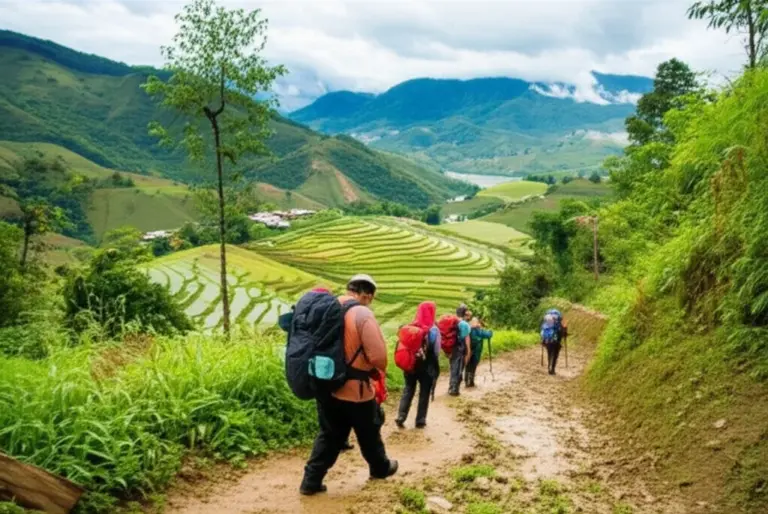
- Varying Difficulty: Trails can be demanding, with steep ascents, descents, and potentially muddy or slippery paths, especially during the shoulder seasons. It’s advisable to discuss the trek’s difficulty with your operator. [5, 6]
- Simple Accommodation & Food: Multi-day treks often involve basic homestays in villages, providing a unique insight into local living. Meals will typically consist of sticky rice, fresh vegetables, and local protein. Embrace the simplicity! [8]
- Best Time to Go: The dry season, from November to March, offers the most comfortable trekking conditions with lower temperatures and less rainfall. [4, 6]
Pro Tip: Embrace the Unexpected!
Laos is a country where things don’t always go according to plan. Embrace the flexibility and enjoy the spontaneous moments – they often become the most cherished memories of your trekking adventure.
How to Choose the Right Tour Operator for Trekking in Northern Laos
Selecting the right tour operator is paramount for a safe, enjoyable, and ethical Trekking in Northern Laos experience. Prioritize companies committed to responsible tourism. [7, 13]
- Ethical and Community-Based Tourism: Look for operators that explicitly state their commitment to fair wages for local guides, homestay hosts, and porters. They should also contribute to village funds or community development projects. Companies like Forest Retreat Laos and The Hiker in Luang Namtha are known for their eco-tourism focus and local employment. [7, 13, 20, 24, 25]
- Experience and Reputation: Choose operators with a long-standing presence and positive reviews. Check online forums and travel blogs for independent recommendations.
- Group Size: Smaller groups often allow for more intimate cultural interactions and minimize environmental impact. Inquire about typical group sizes.
- Knowledgeable Guides: Ensure guides are local, speak good English, and are well-versed in the local culture, traditions, and flora/fauna. [7]
- Transparency: A good operator will be transparent about what’s included, the trek’s difficulty, and how your money benefits local communities.
Here’s a video offering a glimpse into trekking a remote village in Northern Laos:
Essential Packing List for Your Northern Laos Trek
Packing light and smart is key for a comfortable trekking experience. [11, 12, 15, 16, 18]
- Clothing: Lightweight, quick-drying long-sleeve shirts and trousers (for sun protection, bug bites, and temple visits), shorts for warmer days, a light jacket or sweater for cooler evenings, and swimwear. [11, 15, 16]
- Footwear: Comfortable, broken-in trekking shoes or breathable sneakers with good grip. A pair of sandals or flip-flops for evenings. Merino wool hiking socks are recommended to prevent blisters. [3, 11, 12, 16]
- Sun & Bug Protection: Wide-brimmed hat, sunglasses, high-SPF sunscreen, and effective insect repellent (with DEET). [11, 18]
- Health & Hygiene: Personal first-aid kit (blister plasters, antiseptic wipes, pain relievers, any personal medications), travel-sized toiletries, quick-dry towel. [11, 12, 18]
- Hydration: Reusable water bottle or hydration pack.
- Gear: Daypack with a rain cover, head torch, power bank for electronics. [12, 18]
- Essentials: Passport, copies of documents, local currency (Lao Kip), travel insurance details. [11, 18]
Remember Responsible Tourism!
Always strive to minimize your environmental footprint, respect local customs, ask permission before taking photos of people, and support local economies directly.
Conclusion
Trekking in Northern Laos offers an extraordinary blend of natural beauty, challenging trails, and profound cultural encounters. From the dense forests of Nam Ha to the towering karsts of Nong Khiaw and the remote villages of Phongsali, each step reveals a new facet of this captivating country. By choosing a responsible tour operator and preparing adequately, you can ensure your adventure is not only unforgettable but also contributes positively to the local communities and the preservation of Laos’ unique heritage. Embrace the journey, open your mind, and let Northern Laos weave its magic.
คำถามที่พบบ่อย (FAQ)
References
- Trekking in Luang Prabang, Laos – Travel Dudes
- Trekking in Laos: Ultimate Guide to the Best Hikes and Adventures – IDC Travel
- Laos Trekking: 7 Best Trails and Hikes in Laos – Indochina Tours
- Trekking in Luang Namtha: What to Expect and How to Book – The Lavender Travelers
- 10 Best Laos Tour Operators 2024 [Unbiased & With Reviews] – TravellersQuest
- Trekking Laos: the essentials to know according to locals – Kampá Tour
- Forest Retreat Laos – Northern Laos Eco-Tourism Specialists
- Trekking To A Remote Village In Northern Laos – YouTube
- 7 Most Ideal Trekking Routes to Explore in Laos | BestPrice Travel
- 7-Day Packing List for Laos in December – Plantrip
- What To Bring For Laos Trekking Tours | Need To Know When Trekking In Laos
- What to pack for Laos? The guide & tips for essential packing list – Sonasia Holiday
- Packing List for Laos – Arcido
- Hiking in Northern Laos | Explore Scenic Trails % Lao Travel Links
- Travel Packing Checklist For Luang Namtha Province, Laos In Winter – ClickUp
- Easia Active | The Deep North: Top 3 Hiking and Trekking Experiences in Northern Laos
- About – The Hiker Laos
- My Solo Trip in Northern Laos | 4 Day Jungle Trek – YouTube
- 2 Day Village Trek in Nong Khiaw || Laos Travel Vlog #4 – YouTube
- Hiking and sleeping under the stars in Nong Khiaw, Laos – YouTube
- Trekking in Laos – Hiking in Laos – Adventure travel and tours in Laos – Tiger Trail Travel
- THE HIKER | Community-based eco-tours incl. trekking, kayaking & biking
- Top Northern Laos Trekking Routes Explained – Luang Namtha, Phongsaly, Nam Et-Phou Louey, and Muang La (Difficulty, Duration, Scenery)
- Practical preparation for trekking in Northern Laos — best seasons, permits, gear, fitness level, and health precautions
- What to expect on multi-day treks — accommodation (homestays vs camps), food, local culture, and safety tips