Vientiane’s Sacred Sites: A Complete Visitor’s Guide to Pha That Luang and Wat Sisaket
Vientiane, the charming capital of Laos, is a city where tradition and spirituality thrive. For travelers interested in Laos Tourism, no trip is complete without exploring the foundational spiritual landmarks that define the nation’s heritage. This guide focuses on two of the most important—Pha That Luang and Wat Sisaket—which together represent the pinnacle of Lao Buddhist devotion and architectural genius. Understanding these magnificent structures is key to appreciating the deep history embedded in Vientiane’s Sacred Sites.
Pha That Luang: The Grandeur of the Golden Stupa
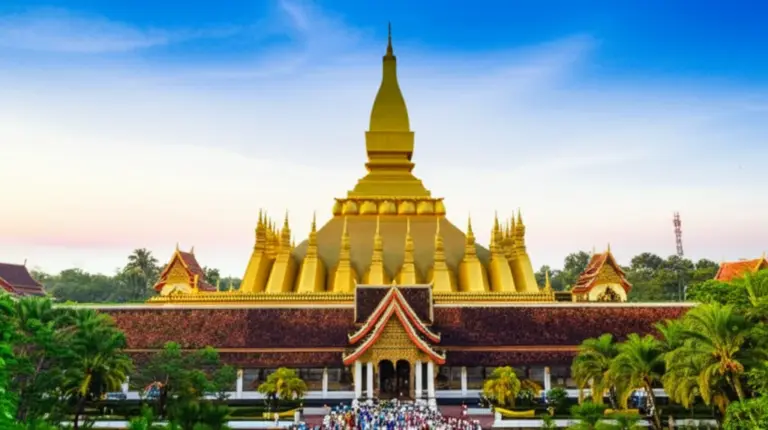
Pha That Luang (Lao: ພຣະທາດຫລວງ) is not just a temple; it is the national symbol of Laos. This massive, gold-covered stupa radiates power and prestige, symbolizing the sovereignty and Buddhist faith of the Lao people. Its name literally translates to “Great Sacred Stupa.” It is arguably the most recognizable of all Vientiane’s Sacred Sites.
History and Significance
Legend states that a temple has stood on this site since the 3rd century, established by Indian missionaries who brought a relic of the Buddha. The current structure, however, largely dates back to the 16th century when King Setthathirat moved the capital from Luang Prabang to Vientiane. The stupa has suffered damage—notably during Siamese invasions and French colonial rule—and has been meticulously restored multiple times. The current dazzling gold leaf finish was applied during 20th-century renovations.
The Architecture of Pha That Luang
The stupa stands 44 meters tall and is surrounded by a high cloister wall. The main spire is topped with a lotus bud design, a common feature in Lao architecture, and is flanked by 30 smaller stupas. The entire structure is covered in a layer of gold, which is especially breathtaking at sunrise or sunset. Surrounding the main stupa are several smaller temples (wats) and statues, including a large statue of King Setthathirat.
Wat Sisaket: The Temple of Ten Thousand Buddhas
In stark contrast to the dazzling grandeur of Pha That Luang, Wat Sisaket offers a quieter, more intimate spiritual experience. Built in 1818 by King Anouvong, Wat Sisaket is the oldest surviving temple in Vientiane. Its remarkable preservation is attributed to its unique Siamese-style architecture, which led the invading Siamese armies in 1828 to spare it from destruction, unlike most other Vientiane temples.
Architectural Distinction and Buddha Images
The temple is famous for its cloister wall, which contains thousands of miniature Buddha images—hence its nickname, the “Temple of Ten Thousand Buddhas.” These images, made of wood, stone, and bronze, range in size and style, dating from the 16th to the 19th centuries. The main prayer hall (sim) features exquisite murals and a large central Buddha statue.
| Feature | Pha That Luang | Wat Sisaket |
|---|---|---|
| Primary Material | Gold-covered stone/brick | Wood and stone (Siamese style) |
| Historical Significance | National Symbol, Buddha relic site | Oldest surviving temple in Vientiane |
| Key Attraction | The Great Golden Stupa | Cloister walls with thousands of Buddha statues |
Practical Visitor Information and Etiquette
Visiting these important religious sites requires respect and adherence to local customs. Plan your route efficiently, as both sites are easily accessible from the city center but require separate visits.
Essential Travel Tips for Laos Tourism
Transportation between the sites is easy via Tuk-Tuk or taxi. Negotiate the price before starting the journey. Ensure you allocate enough time—at least 90 minutes for Pha That Luang and 60 minutes for Wat Sisaket—to fully appreciate the architecture and atmosphere.
Temple Etiquette (Wai Khru)
- Dress Code: Always cover your shoulders and knees. Shorts and tank tops are inappropriate for sacred sites.
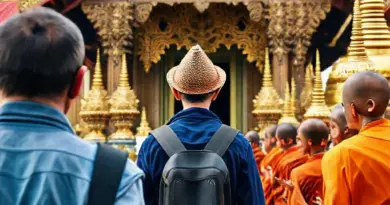
- Footwear: Remove your shoes and hats before entering the main prayer hall (sim) or any structure where monks are present.
- Respect: Never touch a monk or point your feet toward a Buddha image. If sitting, tuck your feet behind you.
Conclusion: The Spiritual Heart of Vientiane
Pha That Luang and Wat Sisaket offer complementary perspectives on Lao spirituality and history. The former stands as a powerful testament to national pride and Buddhist devotion, while the latter preserves ancient art and architectural resilience. Visiting these cornerstone Vientiane’s Sacred Sites provides an essential window into the soul of Laos, enriching any traveler’s experience in the region and solidifying the country’s place as a deeply spiritual destination for Laos Tourism.
คำถามที่พบบ่อย (FAQ)
What is the best time of year to visit Pha That Luang?
The best time to visit is during the dry season (November to March) when the weather is cooler and more pleasant for walking. However, visiting during the Boun That Luang Festival in November offers a unique, vibrant cultural experience with processions and celebrations around the stupa.
Is there an entrance fee for Wat Sisaket?
Yes, both Wat Sisaket and the grounds surrounding Pha That Luang have small entrance fees (typically around 5,000 to 10,000 LAK, or less than $1 USD). These fees are vital for the sites’ ongoing maintenance and preservation.
What is the dress code for visiting Vientiane’s Sacred Sites?
Visitors must adhere to strict dress codes out of respect for the religious nature of the sites. This means covering shoulders, chest, and knees. It is advisable to wear long trousers or skirts, and women should carry a scarf to cover their shoulders if necessary. Shoes must be removed before entering the main halls.
Why was Wat Sisaket spared from destruction by the Siamese?
Wat Sisaket was spared because of its unique architectural style. Unlike most temples in Vientiane, Wat Sisaket was built in the early Bangkok style (Siamese architecture), which led the invading Siamese armies in 1828 to recognize and spare it, preserving it as the oldest temple in the city.
References
Lao National Tourism Administration
UNESCO World Heritage Centre (for general context on regional heritage)
- Why Pha That Luang and Wat Sisaket Matter: History, Cultural Significance, and Best Times to Visit (Pha That Luang history, Wat Sisaket significance, seasonal tips)
- Planning Your Visit: How to Get There, Entrance Fees, Dress Code, and Guided Tour Options (Vientiane temple logistics, transport, cost, tour recommendations)
- Top Highlights and Photography Tips: Iconic Stupas, Buddha Enshrines, Murals, and Best Photo Spots at Each Site (temple highlights, photography tips, golden stupa shots)