Why Pha That Luang and Wat Sisaket Matter: History, Cultural Significance, and Best Times to Visit (Pha That Luang history, Wat Sisaket significance, seasonal tips)
- Why Pha That Luang and Wat Sisaket Matter: History, Cultural Significance, and Best Times to Visit (Pha That Luang history, Wat Sisaket significance, seasonal tips)
The Golden Splendor of Pha That Luang: History and Heritage
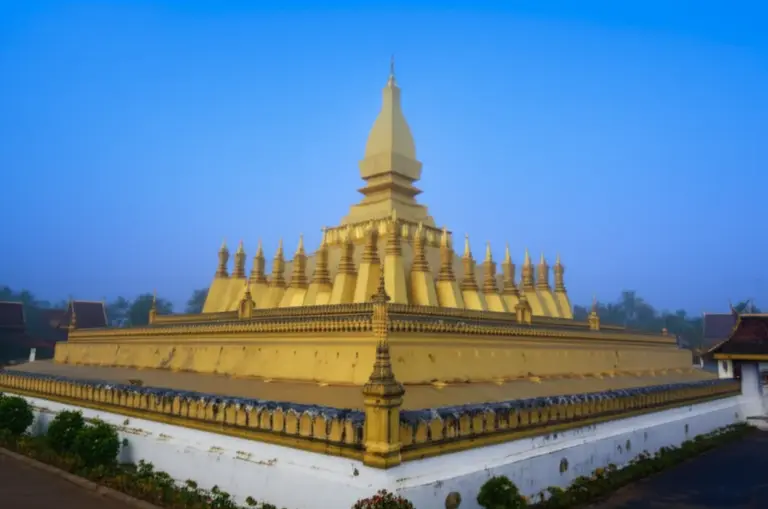
Pha That Luang, or the Great Stupa, is arguably the most important national monument in Laos, serving as a symbol of both Buddhism and Lao sovereignty. Its sheer scale and dazzling gold plating make it an unforgettable sight. To truly grasp its importance, one must look deep into the Pha That Luang history, which spans over a millennium.
Origins and the Legend of Ashoka
The earliest structure on this site is believed to date back to the 3rd century BC, established by missionaries sent by the great Indian Emperor Ashoka. Legend holds that the original stupa enshrined a breastbone relic of the Buddha. Over centuries, the structure was rebuilt and expanded. The current, magnificent golden stupa was primarily established in 1566 by King Setthathirat when he moved the capital from Luang Prabang to Vientiane.
Architectural Significance and Restoration
The architecture of Pha That Luang is a masterpiece of Lao-Buddhist design. It features three levels, representing the ascent from earth to heaven, culminating in a soaring spire that reaches 45 meters. The central stupa is surrounded by 30 smaller stupas, symbolizing the 30 Buddhist perfections. After suffering severe damage in the 19th-century wars, the stupa was meticulously reconstructed based on the drawings of the 17th-century French explorer Louis Finot, solidifying its place as the definitive national icon.
Wat Sisaket: Surviving the Siamese Wars and Preserving Buddhist Art
In stark contrast to the grand scale of the Great Stupa, Wat Sisaket offers an intimate, profound look into the country’s religious history. Understanding the Wat Sisaket significance requires acknowledging its unique position in the region’s turbulent past.
A Unique Vientiane Survivor
Built in 1818 by King Anouvong, Wat Sisaket is the oldest temple in Vientiane still standing in its original form. When the Siamese (Thai) forces devastated Vientiane in 1828, they spared Wat Sisaket because it was built in the Siamese style, featuring a surrounding cloister and multi-tiered roofs. This architectural anomaly saved it from destruction, making it an invaluable historical record of pre-1828 Vientiane.
The Hall of Ten Thousand Buddhas
The temple’s primary draw is its cloister wall, which houses over 6,800 Buddha images made of wood, stone, and bronze. These statues, ranging from small niches to larger seated figures, date primarily from the 16th to the 19th centuries. The sheer number and variety of these figures offer an unparalleled glimpse into Lao and Southeast Asian Buddhist iconography. This collection underscores the immense Wat Sisaket significance as a repository of historical religious art.
Visual Guide to Vientiane’s Treasures
See the grandeur of these sites before you visit.
Cultural Significance: Pillars of Lao Identity
Together, Pha That Luang and Wat Sisaket encapsulate the enduring spirit of the Lao people. Pha That Luang represents the nation’s resilience, its deep commitment to Theravada Buddhism, and its political independence. It is featured prominently on the national seal and currency. Wat Sisaket, meanwhile, serves as a poignant reminder of Vientiane’s historical vulnerability and its success in preserving its religious heritage against overwhelming odds. Both sites are vital stops for anyone interested in Laos Tourism, offering tangible links to the past.
Planning Your Visit: Best Times to Experience These Landmarks
Timing your visit can significantly enhance your experience, especially when considering the intense tropical climate and the local festival calendar. Here are crucial seasonal tips for visiting these landmarks.
Seasonal Breakdown: Wet vs. Dry
- Dry Season (October to April): The best time for travel. Temperatures are comfortable (especially November–February), and rainfall is minimal. This is the peak tourist season, meaning higher prices but perfect weather for walking around the large compound of Pha That Luang.
- Wet Season (May to September): Expect heavy, but usually short, afternoon downpours. While humidity is high, the landscapes are lush and green. Crowds are smaller, and accommodation prices drop. Wat Sisaket, being more enclosed, is easily manageable even during rain.
- Hot Season (March to May): Extremely hot and humid, potentially making midday touring uncomfortable. It is recommended to visit both sites early in the morning or late in the afternoon during this period.
Key Festivals (That Luang Festival)
If your schedule allows, plan your trip around the Boun That Luang (That Luang Festival). This is the largest and most important religious festival in Laos, typically held during the full moon of the 12th lunar month (usually November). The festival features massive parades, religious ceremonies, music, and market stalls, transforming the area around Pha That Luang into a vibrant hub of national celebration. Experiencing the stupa during this time offers unparalleled insight into Lao spirituality and national pride, making it one of the most valuable seasonal tips for visitors.
คำถามที่พบบ่อย (FAQ)
References
- Lao Ministry of Information, Culture and Tourism Official Website
- Historical Accounts of King Setthathirat and Vientiane
- Architectural Studies of Southeast Asian Buddhist Temples
- Vientiane’s Sacred Sites: A Complete Visitor’s Guide to Pha That Luang and Wat Sisaket
- Planning Your Visit: How to Get There, Entrance Fees, Dress Code, and Guided Tour Options (Vientiane temple logistics, transport, cost, tour recommendations)
- Top Highlights and Photography Tips: Iconic Stupas, Buddha Enshrines, Murals, and Best Photo Spots at Each Site (temple highlights, photography tips, golden stupa shots)