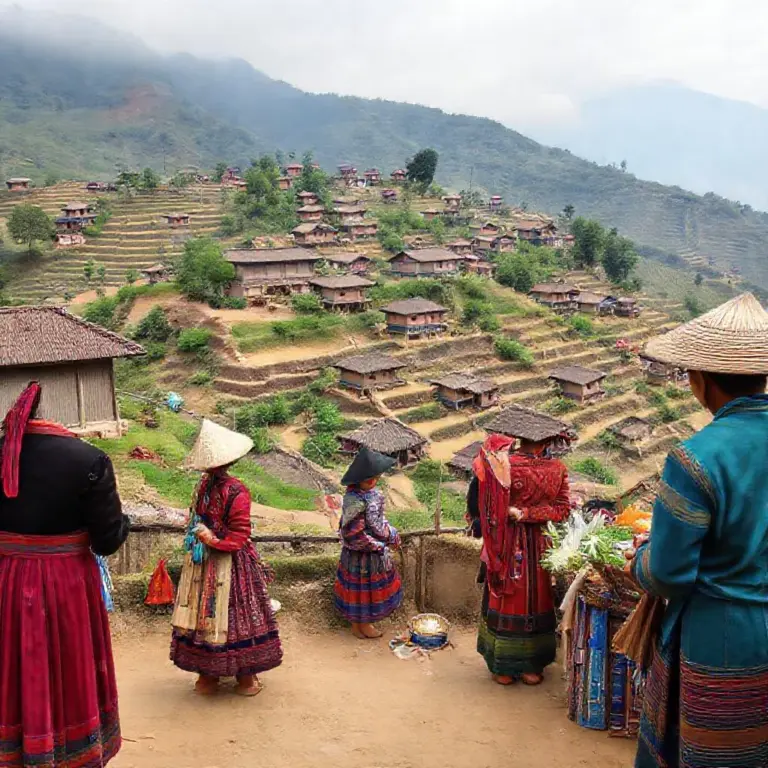
Hmong and Khmu Traditions in Northern Laos: Village Life Insights
Welcome to the misty mountains of Northern Laos, a region teeming with ancient cultures and unparalleled natural beauty. For the discerning traveler interested in authentic cultural immersion, understanding the **Hmong and Khmu Traditions in Northern Laos: Village Life Insights** is key to a meaningful journey. These two distinct ethnic groups offer a rich tapestry of life far removed from the bustling streets of Vientiane, providing visitors with a glimpse into time-honored customs.
The search intent for this topic is highly informational, aimed at cultural tourists, anthropologists, and responsible travelers seeking depth beyond standard sightseeing. We aim to provide expertise and authoritative insights into their daily rhythms, social structures, and enduring heritage.
The Cultural Mosaic of Northern Laos
Northern Laos, encompassing provinces like Luang Prabang, Oudomxay, and Phongsali, is a geographical crucible where diverse ethnic minorities thrive. While there are over 40 recognized groups, the Hmong and Khmu stand out due to their large populations and deeply preserved traditions. They often inhabit different ecological niches, which has historically shaped their unique ways of life.
The Hmong: Masters of the Highlands
The Hmong people, often found at higher elevations, are renowned globally for their vibrant textiles and resilient agricultural practices. Their connection to the land is profound, revolving largely around slash-and-burn agriculture (though this is slowly shifting) and the cultivation of rice and corn.
- Textile Artistry (Paj Ntaub): Hmong needlework, known as Paj Ntaub (flower cloth), is perhaps their most famous cultural export. This intricate embroidery uses appliqué, reverse appliqué, and cross-stitch to create complex geometric and symbolic patterns. Each clan often has subtle variations in color and motif, serving as a visual identifier.
- Social Structure: Hmong society is traditionally organized around clans (e.g., Vang, Thao, Lor). Respect for elders and adherence to traditional law are paramount.
- Festivals: The New Year celebration (usually around November/December) is a spectacular event featuring traditional dress, horse racing, and the ball-tossing game called pov pob, a crucial element of courtship.
The Khmu: Guardians of the Mid-Altitude Forests
In contrast, the Khmu (or Khamu) people tend to settle in lower mountain slopes and river valleys. They are one of the oldest indigenous groups in the region, often maintaining a more integrated relationship with the Lao majority population.
- Subsistence: Traditional Khmu life centers on swidden agriculture, hunting, and intensive foraging in the surrounding forests.
- Spiritual Beliefs: Animism is central to Khmu belief. They hold deep reverence for spirits inhabiting the rivers, mountains, and household objects. Rituals often involve appeasing these spirits to ensure good fortune and health.
- Music and Storytelling: The Khmu possess a rich oral tradition. Musical instruments, like the khene (though shared with the Lao), are used in ceremonies, often accompanied by epic storytelling that preserves their history.
Daily Life in a Northern Lao Village
To truly appreciate **Hmong and Khmu Traditions in Northern Laos: Village Life Insights**, one must observe the daily rhythm. Village life here is communal, industrious, and deeply connected to the agricultural calendar.
Housing and Architecture
Architectural styles clearly delineate the groups:
- Hmong Houses: Typically built on stilts, they feature a central ground floor used for livestock and storage, with the living quarters above. The layout is highly functional, designed to withstand cooler highland temperatures.
- Khmu Houses: Often built directly on the ground or on very low platforms, Khmu homes utilize locally sourced bamboo and thatch, blending seamlessly into the forest edge environment.
The Role of the Market
Local markets are the social and economic heartbeat of these communities. Here, Hmong women trade their exquisite textiles and medicinal herbs, while Khmu villagers bring forest products, bamboo crafts, and fresh produce. These markets are vital points of cultural exchange and economic survival.
This short video offers a visual immersion into the daily life and environment typical of many ethnic minority villages in Laos, complementing our discussion on **Hmong and Khmu Traditions in Northern Laos: Village Life Insights**.
As tourism expands into these delicate environments, ethical engagement is crucial. Responsible travel supports the preservation of these traditions, rather than commodifying them at the expense of authenticity.
| Principle | Action for Tourists | Impact |
|---|---|---|
| Support Local Economy | Purchase crafts directly from artisans. | Ensures fair wages and supports skill continuation. |
| Cultural Sensitivity | Dress modestly, especially when visiting spiritual sites. | Shows respect for local customs and religious practices. |
| Photography Etiquette | Always ask permission first, even if you offer payment. | Maintains the dignity and privacy of the villagers. |
Responsible operators often partner directly with village cooperatives, ensuring that tourism revenue filters down to the community level. When planning your trip to Luang Prabang or surrounding areas, prioritize guides who emphasize sustainable, respectful cultural exchange.
Conclusion: Preserving Heritage in a Modernizing World
The Hmong and Khmu communities in Northern Laos represent crucial pillars of the nation’s cultural landscape. Their traditions—from the meticulous embroidery of the Hmong to the deep animistic roots of the Khmu—offer profound lessons in sustainability, community, and resilience. By approaching these villages with curiosity and respect, travelers become temporary custodians of heritage, ensuring these vibrant traditions continue to thrive for generations to come.
คำถามที่พบบ่อย (FAQ)
The Hmong are frequently encountered, particularly near popular trekking hubs around Luang Prabang and Vang Vieng, due to their distinctive dress and established craft markets. The Khmu are also widespread, often living in villages closer to the Nam Ou river valleys.
Historically, the Hmong have favored higher altitude areas, often focusing on dry rice cultivation and opium cultivation (historically). The Khmu generally inhabit lower mountain slopes and river regions, relying more heavily on wet rice cultivation, fishing, and intensive forest foraging.
While many areas are safe, it is highly recommended to hire a reputable, local guide who understands the regional dialects, customs, and responsible trekking routes. This ensures both your safety and appropriate cultural interaction.
References
For further authoritative reading on the ethnic groups of Laos, consider exploring resources from organizations focused on Southeast Asian anthropology and sustainable tourism development in the region.
- Cultural Landscape and Historical Roots of Hmong and Khmu Communities in Northern Laos — origins, migration patterns, and how traditions reflect ethnic identity
- Everyday Village Life and Social Structure — family roles, kinship, community leadership, and seasonal rhythms of work and celebration
- Ceremonies, Rituals, and Material Culture — marriage, funerary rites, shamanism, textiles, and the symbolic meanings behind artifacts