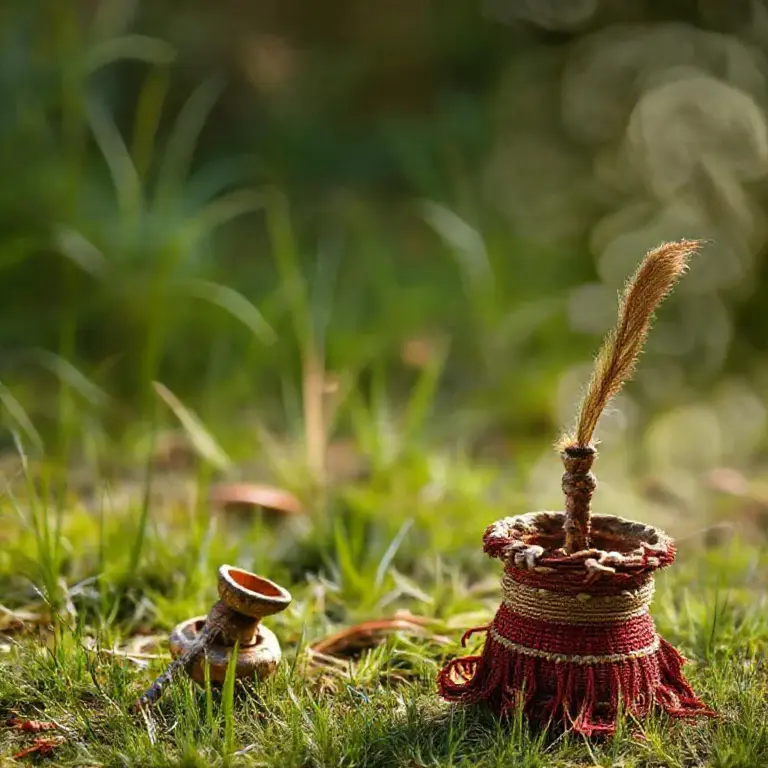
Ceremonies, Rituals, and Material Culture — marriage, funerary rites, shamanism, textiles, and the symbolic meanings behind artifacts
- Ceremonies, Rituals, and Material Culture — marriage, funerary rites, shamanism, textiles, and the symbolic meanings behind artifacts
For visitors to Laos, understanding the deep currents of Ceremonies, Rituals, and Material Culture — marriage, funerary rites, shamanism, textiles, and the symbolic meanings behind artifacts is the key to unlocking the nation’s soul. Lao society is profoundly woven from threads of Theravada Buddhism, animist beliefs, and ancestral reverence. These elements manifest visibly in every major life event and object, from the intricate patterns on a silk pha sin to the solemnity of a funeral procession. This exploration offers a guide to interpreting the spiritual and social landscape of the Lao people.
The Centrality of Ritual: The Baci Ceremony
The most pervasive and visible ritual in Lao life is the Baci (or Sou Khuan), a ceremony central to welcoming guests, marking transitions, or seeking spiritual protection. While deeply rooted in animism, it is often integrated seamlessly into Buddhist observances. The core belief is that a person’s soul (khuan) is composed of 32 essential spirits that can wander, causing illness or misfortune if detached. The Baci ceremony aims to call these spirits back and bind them safely to the body using white cotton strings tied around the wrists.
The Mechanics of a Soul Calling
During a Baci, the community gathers around a central offering—the Pha Khuan—a cone-shaped arrangement of flowers, fruit, and candles. A respected elder or shaman leads the chanting, invoking blessings for good health, happiness, and fortune. As the blessing concludes, participants tie the white strings around the wrists of the honored person, often repeating the phrase “Su Khuan,” meaning “Come back, soul.”
Marriage and Union: Sacred Contracts
Lao marriage ceremonies are vibrant, multi-day affairs that blend Buddhist rites with traditional animist customs, heavily emphasizing community participation and the union of two families, not just two individuals. The key to understanding Lao Ceremonies, Rituals, and Material Culture — marriage, funerary rites, shamanism, textiles, and the symbolic meanings behind artifacts lies in observing these transitions.
The Key Stages of a Traditional Wedding
- Sinsod (Dowry): A formal presentation of gifts, often including money, gold, and essential household items, from the groom’s family to the bride’s family, symbolizing his ability to provide.
- The Procession: The groom’s party travels to the bride’s home, often accompanied by music and dancing.
- Water Pouring Ceremony (Houng Nam Sang Khan): The most intimate part, where elders and guests pour lustral water over the couple’s hands while offering blessings. This parallels the Baci ritual, ensuring the couple’s souls are bound together harmoniously.
Funerary Rites: Honoring the Journey to Rebirth
Lao funerary rites are deeply influenced by the Buddhist belief in reincarnation. The period between death and cremation is crucial for ensuring the deceased’s spirit transitions smoothly to the next life. Unlike many Western traditions, the wake is often brief, but the rituals surrounding the body are precise.
Cremation typically occurs within a few days. Before this, the body is housed in a temporary shrine, often accompanied by monks chanting to merit-making prayers for the departed soul. The actual cremation is a major community event, symbolizing the release of the physical form.
Shamanism and Spirit Houses
While Buddhism is dominant, indigenous animist beliefs persist, particularly in rural areas. Shamanism, involving spirit mediums (mor phone), plays a role in healing and divination. Furthermore, nearly every Lao home and significant building features a spirit house (a vital link to local belief systems). These miniature temples are offerings to the local guardian spirits, ensuring harmony between the human and spirit worlds.
Artifacts and Offerings
Artifacts left at spirit houses—small bowls of food, incense, and miniature furniture—are material culture offerings. They represent the belief that spirits require the same comforts as humans. Observing these offerings provides insight into the daily negotiation between the visible and invisible realms.
Textiles: Weaving Stories and Status
Lao textiles are perhaps the most accessible and beautiful representation of the nation’s Ceremonies, Rituals, and Material Culture — marriage, funerary rites, shamanism, textiles, and the symbolic meanings behind artifacts. The weaving traditions vary significantly between ethnic groups, such as the Lao Loum, the Tai Lue, and the Hmong, each possessing unique motifs and techniques.
The Pha Sin (traditional skirt) is a masterpiece of symbolic language. The patterns—often geometrical—are not merely decorative; they convey status, tribal affiliation, and sometimes even function as protective talismans. The use of natural dyes (indigo, lac, turmeric) speaks to an ancient, sustainable material culture.
Decoding Symbolic Meanings in Artifacts
Every artifact, from a small offering bowl to a temple mural, carries layers of meaning derived from the intersection of Buddhism and animism. Understanding these symbols enriches any tourist’s journey through Laos.
The Naga and the Mythic Landscape
The Naga (mythical serpent) is ubiquitous, particularly in Luang Prabang. It symbolizes water, fertility, and protection. Nagas guard temple entrances and bridges, acting as guardians against evil spirits and symbolizing the transition between the mundane and the sacred spaces. In funerary contexts, they can also guide the deceased to the underworld.
| Artifact/Symbol | Primary Meaning | Context |
|---|---|---|
| White Cotton String | Binding of the soul (Khuan) | Baci Ceremony, Weddings |
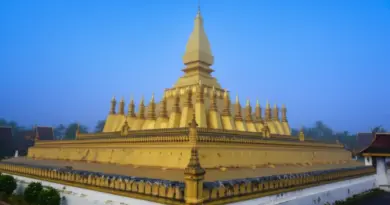
| Phra That (Stupa) | The enlightened mind of the Buddha | Temples, Funeral Pyres |
| Lotus Flower | Purity, spiritual awakening | Buddhist Art, Offerings |
| Silver Jewelry (Tribal) | Wealth, protective amulets | Material Culture, Daily Wear |
คำถามที่พบบ่อย (FAQ)
References
- Hmong and Khmu Traditions in Northern Laos: Village Life Insights
- Cultural Landscape and Historical Roots of Hmong and Khmu Communities in Northern Laos — origins, migration patterns, and how traditions reflect ethnic identity
- Everyday Village Life and Social Structure — family roles, kinship, community leadership, and seasonal rhythms of work and celebration