Silk Weaving Villages Near Luang Prabang: Where to Visit, What to Learn, and How to Support Local Weavers
Luang Prabang, a UNESCO World Heritage site, is renowned not only for its stunning temples and morning alms ceremonies but also as the beating heart of Lao textile traditions. For centuries, Silk Weaving Villages Near Luang Prabang have preserved intricate techniques passed down through generations. Exploring these villages offers a profound window into the soul of Laos, where every thread tells a story of heritage, nature, and community resilience.
Ban Phanom: The Royal Legacy
Located just a short 10-minute drive from the city center, Ban Phanom is perhaps the most famous of the silk weaving villages near Luang Prabang. Historically, this village was responsible for crafting textiles for the Lao Royal Family. The weavers here specialize in a mix of cotton and silk, often incorporating shimmering silver and gold threads into their designs.
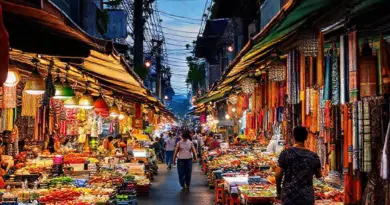
When you visit Ban Phanom, you can browse the large textile market located at the village entrance. However, for a more authentic experience, wander into the smaller lanes to see families working on their looms beneath their stilted wooden houses. The rhythmic ‘clack-clack’ of the loom is the soundtrack of daily life here.
Ban Xang Khong: The Village of Crafts
Ban Xang Khong is a multi-talented craft hub situated on the banks of the Mekong River. While it is famous for Saa paper (mulberry bark paper) production, its silk weaving heritage is equally impressive. This village provides a comprehensive look at the entire textile process, from the natural dyeing of silk threads using indigo, marigold, and bark, to the final intricate weaving.
Visitors can participate in workshops where they learn the basics of natural dyeing. Seeing the vibrant colors emerge from boiling pots of organic materials is a magical experience that highlights the ecological wisdom of the local weavers.
What to Learn: The Art of Lao Weaving
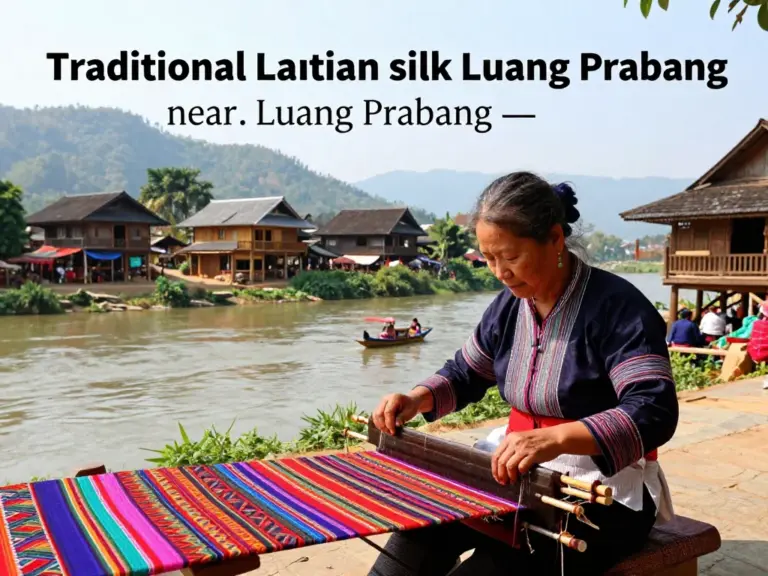
Understanding the complexity of Lao silk weaving requires looking closely at the patterns. Most weavers use a ‘supplementary weft’ technique, which creates a raised, embroidery-like pattern on the surface of the cloth. Common motifs include the Naga (river serpent), mythical lions, and local flora, each carrying spiritual or protective meanings.
- Natural Dyeing: Learn how indigo creates deep blues and how lac (insect resin) creates rich reds.
- Spinning: Observe the delicate process of reeling silk from cocoons.
- Pattern Design: Discover how weavers memorize complex patterns without written charts.
How to Support Local Weavers Ethically
Supporting these communities is vital for the survival of the craft. When visiting silk weaving villages near Luang Prabang, keep these tips in mind:
- Buy Directly: Purchasing from the weavers at their homes or village cooperatives ensures that the majority of the profit stays with the artisan.
- Respect the Price: A single hand-woven scarf can take weeks to complete. Fair trade prices reflect the labor and skill involved.
- Ask Questions: Engaging with weavers about their techniques shows respect for their expertise and encourages the younger generation to continue the tradition.
| Village Name | Primary Specialty | Distance from City |
|---|---|---|
| Ban Phanom | Royal Thai Lue Styles | 4 km |
| Ban Xang Khong | Silk & Saa Paper | 3 km |
| Ban Nayang | Indigo Cotton & Silk | ~2 hours |
คำถามที่พ่อย (FAQ)
Which weaving village is closest to Luang Prabang?
Ban Xang Khong and Ban Phanom are the closest, both located within 3-5 kilometers of the town center, making them easy to reach by bicycle or tuk-tuk.
Can I learn to weave in these villages?
Yes, many centers in Ban Xang Khong and organizations like Ock Pop Tok (located near the river) offer half-day to multi-day weaving and dyeing workshops for tourists.
How can I tell if the silk is genuinely hand-woven?
Look for slight irregularities in the weave; machine-made silk is often too perfect. Additionally, hand-woven silk usually has a heavier feel and the patterns on the back are often slightly different from the front due to the supplementary weft technique.
Is it okay to take photos of the weavers?
Generally, yes, but it is polite to ask for permission first. If you buy something from them, they are usually very happy to let you take a photo of the loom and the process.
What is the best time of year to visit?
The dry season (November to April) is best for visiting the villages, as the weavers often set up their looms outdoors under the shade of their houses.
References
Official Laos Tourism Portal
UNESCO Cultural Heritage Documentation