Why Leave No Trace Matters in Laos — Understanding Ecological, Cultural, and Community Impacts of Trekking and Waterfall Visits
Laos, often referred to as the ‘Jewel of the Mekong,’ is a land of mist-covered mountains, cascading turquoise waterfalls, and deeply rooted spiritual traditions. As laos Tourism continues to grow, the influx of adventurers seeking the pristine beauty of places like Luang Prabang, Vang Vieng, and the Bolaven Plateau brings a vital question to the forefront: How do we preserve what we came to see? The ‘Leave No Trace’ (LNT) philosophy is not just a set of outdoor ethics; in Laos, it is a critical framework for protecting fragile ecosystems and respecting the sacred cultural fabric of local communities.
The Ecological Stakes: Protecting Laos’ Biodiversity
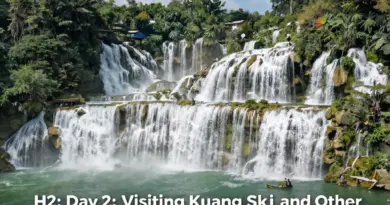
Laos boasts some of the most significant biodiversity in Southeast Asia. However, its ecosystems are highly sensitive to human interference. When trekking through National Protected Areas, straying from established trails can lead to soil erosion and the destruction of rare flora. For laos Tourism, waterfalls are a primary draw, but they are also delicate aquatic habitats. Sunscreens, soaps, and litter introduced into these waters can disrupt the chemical balance, harming fish and the local wildlife that rely on these sources.
By adhering to LNT principles—such as disposing of waste properly and traveling on durable surfaces—trekkers minimize their physical footprint. This prevents the ‘spider-webbing’ of trails that fragments habitats and ensures that the lush jungles remain a sanctuary for endangered species like the Asian elephant and the clouded leopard.
Cultural Integrity: Respecting the Sacred Landscape
In Laos, nature and spirituality are inextricably linked. Many forests, caves, and waterfalls are considered sacred by local ethnic groups or are home to ancestral spirits. Leave No Trace extends beyond physical trash; it encompasses ‘Cultural Leave No Trace.’ This means respecting local customs, dressing modestly during treks that pass through villages, and asking for permission before taking photos of people or religious shrines.
When tourists ignore these boundaries, it creates a ‘cultural erosion’ that can be as damaging as environmental degradation. Responsible laos Tourism involves being a quiet observer rather than a disruptor. By leaving what you find—whether it’s a unique stone or a cultural artifact—you honor the heritage of the Lao people.
Community Impacts: Sustaining Local Livelihoods
The economic benefits of tourism must be balanced with the health of the community. Many rural villages in Laos depend on local water sources for drinking and agriculture. If waterfall sites become polluted with plastic or chemicals from tourism, the downstream impact on community health is immediate. Leave No Trace encourages travelers to use biodegradable products and carry out all non-biodegradable waste.
| LNT Principle | Application in Laos | Impact |
|---|---|---|
| Plan Ahead | Research local customs and weather | Reduces rescue needs & cultural faux pas |
| Dispose of Waste | Carry out all plastic bottles | Keeps water sources clean for villages |
| Respect Wildlife | Observe from a distance | Protects biodiversity and safety |
| Be Considerate | Yield to locals on trails | Maintains positive community relations |
Practical Steps for Your Laos Adventure
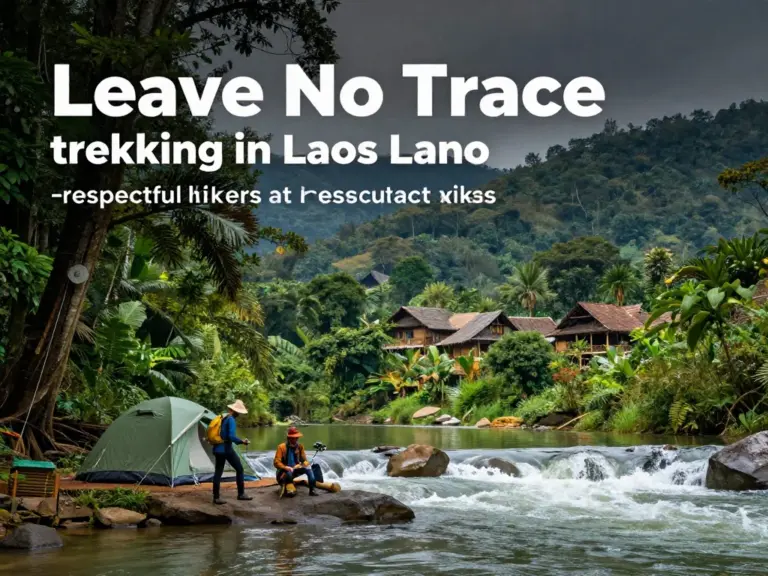
Implementing Leave No Trace is simpler than it seems. Start by carrying a reusable water bottle and a dry bag for your trash. When visiting waterfalls like Kuang Si or Tad Fane, stay within designated swimming areas. If you are trekking, hire a local guide. Not only does this support the local economy, but guides provide invaluable knowledge on how to navigate the terrain without causing harm. Your choices as a traveler directly influence the sustainability of laos Tourism.
คำถามที่พบบ่อย (FAQ)
Q: Is it okay to use soap in Lao waterfalls if it is biodegradable?
A: Even biodegradable soap can affect aquatic life. It is best to rinse off without soap or use it at least 200 feet away from the water source.
Q: Why should I stay on the trail if the forest looks open?
A: Straying from the trail compresses the soil, making it harder for plants to grow and increasing the risk of erosion during the monsoon season.
Q: How can I respect local culture while trekking?
A: Dress modestly (shoulders and knees covered), avoid loud behavior near spirit houses, and always follow your guide’s advice regarding village etiquette.
References
The 7 Principles of Leave No Trace
Official Laos Tourism Portal
WWF Greater Mekong Conservation
- Leave No Trace in Laos: Essential Trekking and Waterfall Etiquette for Responsible Travelers
- Preparing for a Low-Impact Trek — Permits, Local Guides, Appropriate Gear, and Packing Out Waste in Lao Hiking Areas
- Minimizing Footprint at Waterfalls and Campsites — Trail Etiquette, Sanitation, Fire Safety, and Protecting Aquatic Ecosystems