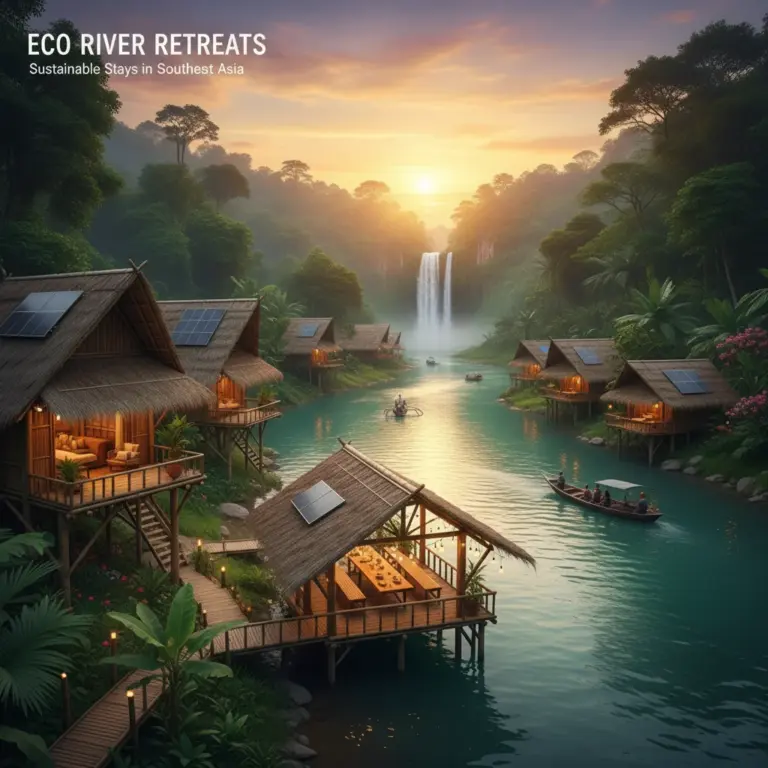
Top Eco-Lodges and Green Stays from Nong Khiaw to Si Phan Don: Features, Pricing, and Booking Tips
Laos offers a journey defined by karst landscapes, slow-moving rivers, and deep cultural immersion. For the conscious traveler, this journey is best undertaken by choosing accommodations that tread lightly on the environment. This comprehensive guide delves into the finest Eco-Lodges and Green Stays from Nong Khiaw to Si Phan Don, providing an expert breakdown of features, price points, and the crucial tips needed to secure your sustainable haven along the Nam Ou and Mekong Rivers. Embracing these green stays allows you to directly support local conservation efforts and community-based tourism initiatives.
Why Choose Eco-Lodges in Northern and Southern Laos?
The appeal of sustainable accommodation in Laos goes beyond ethical considerations; it fundamentally enhances the travel experience. In the remote north around Nong Khiaw, eco-lodges are often built from natural materials, blending seamlessly into the dramatic scenery. In the south, Si Phan Don (4000 Islands), these stays often focus on preserving the unique riverine ecosystem. From an E-E-A-T perspective, choosing recognized green stays signals responsible tourism, which benefits the long-term viability of these pristine areas.
Northern Gems: Sustainable Stays Near Nong Khiaw & Muang Ngoi Neua
The area surrounding Nong Khiaw, nestled along the Nam Ou River, is a haven for trekkers and nature lovers. Accommodation here leans heavily into rustic charm powered by solar energy.
Nong Khiaw: Riverside Retreats and Mountain Views
Lodges here often feature elevated wooden bungalows, providing stunning views of the limestone karsts. Expect basic comforts—mosquito nets, private (often cold water) bathrooms—but exceptional tranquility.
- Features: Riverside access, guided trekking partnerships, limited Wi-Fi, solar power for basic lighting.
- Pricing Estimate: $20 – $45 USD per night for a private bungalow.
Muang Ngoi Neua: Deep Immersion Eco-Experiences
Reachable only by boat from Nong Khiaw, Muang Ngoi is the epitome of off-grid sustainable living. Stays here are intrinsically connected to the village economy.
- Community Focus: Many guesthouses operate as homestays, directly channeling funds into local households.
- Activities: Cave exploration, village walks, and supporting local weaving cooperatives.
The Journey South: Transitioning to Si Phan Don (4000 Islands)
Traveling from the mountainous north to the flat, watery expanse of Si Phan Don requires a shift in perspective. The green ethos down south focuses heavily on water conservation and minimizing plastic waste, given the delicate Mekong ecosystem.
Southern Sanctuaries: Top Eco-Lodges and Green Stays in Si Phan Don
Si Phan Don is comprised of many islands, but the main hubs for sustainable stays are Don Det and Don Khon.
Don Det & Don Khon: Rustic Charm Meets Responsibility
Don Det caters slightly more to backpackers seeking simple living, while Don Khon often hosts slightly more established, dedicated eco-resorts that focus on kayaking tours and waterfall preservation.
| Island | Typical Stay Style | Key Feature |
|---|---|---|
| Don Det | Basic Bungalows/Guesthouses | Sunset views over the Mekong |
| Don Khon | Mid-range Eco-Resorts | Proximity to Li Phi Waterfalls |
| Don Khone (South) | Boutique Green Stays | Quiet, focused on local agriculture |
Feature Comparison: Pricing Tiers and Amenities
While prices are generally lower than in the West, the cost reflects the difficulty of importing sustainable materials. Budget travelers can still find options that align with green principles.
Budget ($10 – $25): Dorms or very simple riverside huts. Often use rainwater collection.
Mid-Range ($30 – $70): Dedicated bungalows, better bedding, perhaps solar hot water, and a commitment to reducing single-use plastics. These represent the sweet spot for many Eco-Lodges and Green Stays from Nong Khiaw to Si Phan Don.
Essential Booking Tips for Laos’ Green Accommodations
Booking sustainably in Laos requires a proactive approach, especially outside major hubs like Luang Prabang. Online booking platforms are improving, but direct contact often yields the best results and ensures your booking supports the intended local enterprise.
- Book Direct When Possible: Call or email the lodge directly. This cuts out intermediary fees and allows you to ask specific questions about their environmental practices (e.g., water filtration, energy source).
- Check for Local Partnerships: A reputable eco-lodge will advertise partnerships with local guides or community projects. Look for this transparency.
- Cash Preference: Many smaller, remote lodges operate primarily on cash (Lao Kip or USD). Always confirm payment methods beforehand.
- Pack Reusables: Even if the lodge tries to minimize waste, bringing your own water filter bottle and toiletries is the ultimate expression of responsible travel. Explore responsible travel guidelines here for further preparation.
By prioritizing these establishments, travelers ensure their adventure through the majestic landscapes of Northern and Southern Laos leaves a positive, lasting impression. The official Laos Tourism website often lists certified sustainable operators.
คำถามที่พบบ่อย (FAQ)
Here are answers to common queries regarding sustainable accommodation along this Laotian route.
References
These sources informed the sustainable travel context provided in this guide:
- WWF – Mekong River Conservation Overview
- Principles of Responsible Tourism
- Guides on Ethical Travel in Laos
- Green Stays in Laos: Eco-Lodges from Nong Khiaw to the Four Thousand Islands — Sustainable Stays, Local Impact, and How to Plan Your Responsible Trip
- Why Choose Eco-Lodges in Laos? Benefits for Travelers, Communities, and the Environment
- How Eco-Lodges Support Local Communities: Community-Based Tourism, Cultural Experiences, and Fair Employment