Why Choose Eco-Lodges in Laos? Benefits for Travelers, Communities, and the Environment
- Why Choose Eco-Lodges in Laos? Benefits for Travelers, Communities, and the Environment
The allure of Laos lies in its untouched landscapes, serene rivers, and deep-rooted cultural heritage. As global awareness shifts towards responsible travel, a growing number of visitors are seeking accommodations that align with their values. This search often leads directly to the hidden gems nestled across the country: the **Eco-lodges in Laos**. Choosing these sustainable havens is more than just selecting a place to sleep; it is an active investment in the protection of this beautiful nation, offering tangible benefits to travelers, empowering local communities, and ensuring the environment thrives for generations to come.
The Rise of Responsible Travel in Laos
Laos, often referred to as the ‘Land of a Million Elephants,’ has historically operated slightly off the main tourist radar, which has paradoxically helped preserve its natural integrity. However, increased international interest necessitates a change in how tourism operates. Eco-lodges are leading this charge, moving beyond mere ‘greenwashing’ to implement verifiable, community-focused, and environmentally sound practices. They serve as vital educational hubs, demonstrating that high-quality, comfortable tourism can coexist harmoniously with conservation.
Unparalleled Benefits for the Modern Traveler
For the traveler seeking authenticity over anonymity, eco-lodges provide an experience far superior to standard hotel chains. These accommodations prioritize immersion, moving guests away from crowded tourist centers and into the heart of the landscape.
Authentic Cultural Immersion
Many establishments operate under the model of Community-Based Tourism (CBT). This means that your stay directly supports local families, often involving guided tours led by villagers, cooking classes using local ingredients, and opportunities to learn traditional crafts. In areas surrounding Luang Prabang or the remote northern provinces, this interaction offers genuine insight into Lao life that a standard hotel stay simply cannot replicate. Travelers gain firsthand experience of the local customs, languages, and history.
Deeper Connection with Nature
The physical location of these lodges is usually the main draw. Imagine waking up to the sounds of the jungle, overlooking the Nam Ou river, or being surrounded by karst mountains. The architecture itself often mirrors the environment, utilizing local, sustainable materials like bamboo and timber, ensuring minimal visual intrusion. This proximity fosters a profound respect for the natural world, encouraging activities like responsible trekking, kayaking, and wildlife observation.
- Locally sourced, organic cuisine.
- Small guest numbers ensuring privacy.
- Educational opportunities on local ecology.
- Unparalleled photographic opportunities.
Direct Positive Impact: Empowering Local Communities
Perhaps the most compelling argument for choosing **Eco-lodges in Laos** lies in their commitment to social responsibility. Sustainable tourism must benefit the people who live where tourists visit.
Economic Upliftment Through Fair Wages
Unlike large, foreign-owned resorts where profits often leave the country, true eco-lodges prioritize local employment, ensuring fair wages, training, and management opportunities for Laotian citizens. This direct injection of tourism revenue into rural economies helps reduce poverty and dependency on less sustainable practices, such as logging or slash-and-burn agriculture.
Preservation of Traditional Livelihoods
By valuing local knowledge—whether it’s traditional building techniques or knowledge of medicinal plants—eco-lodges actively encourage the continuation of cultural practices. When local guides are hired to lead jungle trekking, their ancestral knowledge becomes an asset, not an artifact of the past. This fosters community pride and ensures cultural continuity.
Commitment to Environmental Stewardship
Environmental protection is the foundational pillar of any credible eco-lodge. In a country rich in biodiversity but facing threats from development, these lodges act as frontline conservationists.
Minimizing Carbon Footprints in Fragile Ecosystems
These operations typically employ strict waste management protocols, often composting organic waste and minimizing single-use plastics, which is crucial given the infrastructural challenges in remote areas. Furthermore, they rely heavily on renewable energy sources, such as solar power, reducing reliance on fossil fuels for electricity generation. Water conservation systems, including greywater recycling for irrigation, are standard practice.
Supporting Conservation Projects
Many lodges actively partner with NGOs or run their own initiatives focused on wildlife protection, particularly for endangered species like elephants and various bird populations. A portion of your booking fee often goes directly into funding anti-poaching patrols or habitat restoration. Your stay becomes a direct contribution to the health of the Laotian wilderness.
Experience the Tranquility Firsthand
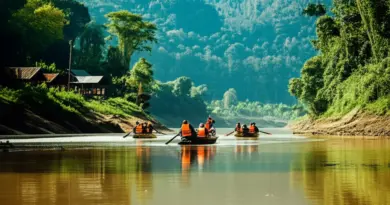
To truly grasp the beauty and commitment behind sustainable stays, see the environment for yourself:
This visual journey underscores why responsible choices matter when exploring the natural wonders that Laos protects.
Finding Your Perfect Eco-Lodge in Laos (Practical Tips)
When planning your trip, look for evidence that supports their claims of sustainability. Genuine commitment goes beyond solar panels.
| Indicator of Authenticity | What to Look For |
|---|---|
| Community Involvement | Evidence of local hiring ratios and partnerships with local NGOs. |
| Resource Management | Use of composting toilets, rainwater harvesting, and biodegradable products only. |
| Construction | Use of traditional, renewable, or reclaimed local materials. |
By choosing accommodations that actively participate in the welfare of the region, travelers ensure that the magic of Laos remains intact. The decision to select **Eco-lodges in Laos** is a powerful vote for ethical, enriching, and enduring tourism.
คำถามที่พบบ่อย (FAQ)
Are eco-lodges in Laos significantly more expensive than standard hotels?
Generally, prices reflect the higher operational costs associated with sustainable practices, fair wages, and remote locations. However, when you factor in the included authentic experiences, guided activities, and the direct positive impact, the perceived value often outweighs the slight increase in nightly rates compared to budget options.
How can I verify if a Laotian lodge is truly sustainable?
Look beyond marketing language. Check their website for clear policies on waste management, water usage, and community employment statistics. If they explicitly mention partnerships with local conservation groups or use locally elected community boards for oversight, this is a strong indicator of genuine commitment.
Do eco-lodges offer modern amenities like Wi-Fi and air conditioning?
It varies widely. Many high-end eco-lodges offer excellent comfort, sometimes including limited Wi-Fi access. However, many remote lodges intentionally limit connectivity to encourage guests to disconnect and focus on nature. Air conditioning is often replaced by thoughtful, passive cooling designs utilizing natural ventilation.
Are eco-lodges only located in remote jungle areas?
No. While many are deep in the countryside, you can find certified sustainable accommodations near major hubs like Luang Prabang or Vang Vieng. These urban or semi-urban lodges focus more heavily on ethical sourcing for food, waste reduction within a developed area, and supporting city-based craft cooperatives.
References
- Global Sustainable Tourism Council Guidelines
- Official Laos Tourism Portal Information
- Principles of Community-Based Ecotourism
- Green Stays in Laos: Eco-Lodges from Nong Khiaw to the Four Thousand Islands — Sustainable Stays, Local Impact, and How to Plan Your Responsible Trip
- Top Eco-Lodges and Green Stays from Nong Khiaw to Si Phan Don: Features, Pricing, and Booking Tips
- How Eco-Lodges Support Local Communities: Community-Based Tourism, Cultural Experiences, and Fair Employment