What Makes the Bolaven Plateau Ideal for Coffee Growing?
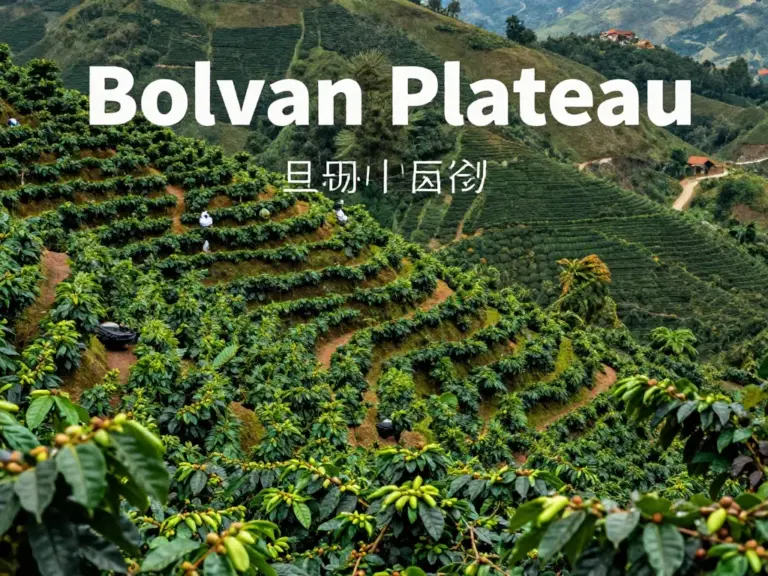
When travelers and coffee connoisseurs discuss the finest beans in Southeast Asia, one name consistently rises to the top: the Bolaven Plateau. Located in southern Laos, specifically within the Champasak, Salavan, and Sekong provinces, this highland region has become synonymous with high-quality Arabica and Robusta production. But what exactly makes the Bolaven Plateau ideal for coffee growing? The answer lies in a perfect convergence of geological history, unique climatic conditions, and elevation.
For visitors interested in Laos tourism, exploring the coffee plantations of the Bolaven Plateau is more than just a sightseeing trip; it is a deep dive into an agricultural ecosystem that is arguably the most suitable in the entire Indochinese peninsula.
The Geological Advantage: Volcanic Soil
The primary reason the Bolaven Plateau is so fertile is its volcanic history. Millions of years ago, the region was shaped by intense volcanic activity. Today, this has left behind nutrient-rich, basaltic soil. Unlike typical soil found elsewhere, volcanic soil is incredibly porous, allowing for excellent drainage—a critical requirement for coffee trees, which hate having ‘wet feet’ or stagnant water around their roots.
This mineral-dense earth provides the essential nutrients—such as potassium, magnesium, and calcium—that coffee plants require to flourish. When you visit a plantation here, you are walking on land that naturally supercharges the flavor profile of the beans, often resulting in the complex, full-bodied notes that Lao coffee is famous for.
Climate and Altitude: The Perfect Balance
Beyond the soil, the climate of the Bolaven Plateau is the second pillar of its success. Situated at an elevation ranging between 800 and 1,350 meters above sea level, the plateau offers a cool, temperate climate that contrasts sharply with the sweltering heat of the Mekong lowlands. Coffee plants, particularly high-quality Arabica varieties, thrive in cooler temperatures where they can mature slowly. This slower maturation process allows the sugars to develop more fully within the coffee cherry, leading to a more nuanced, acidic, and aromatic cup.
Furthermore, the region experiences significant rainfall, balanced by ample sunshine. This consistent cycle of rain and sun is essential for the growth of healthy coffee cherries. The humidity levels are naturally regulated by the surrounding forest canopy, which many farmers use to provide shade for their coffee plants—a practice known as shade-grown coffee, which preserves the local biodiversity.
The Cultural Impact on Quality
While nature provides the canvas, the local farmers provide the artistry. The Bolaven Plateau has a long history of coffee cultivation, dating back to French colonial times in the early 20th century. Over decades, local ethnic groups have refined their techniques, moving from mass production to high-value, specialty coffee processing. When you visit, you will often find small-scale cooperatives that utilize wet-processing methods, carefully washing and sun-drying the beans to ensure maximum quality control.
The dedication to sustainable farming practices is palpable. Many growers are now focusing on organic techniques, avoiding synthetic pesticides to maintain the integrity of their rich volcanic soil. This commitment not only preserves the land for future generations but also produces a cleaner, more authentic flavor that has captured the attention of international coffee buyers.
คำถามที่พบบ่อย (FAQ)
1. What type of coffee is grown in the Bolaven Plateau?
The region is famous for both Arabica and Robusta. Arabica thrives in the higher, cooler altitudes of the plateau, while Robusta is often grown in slightly lower areas.
2. When is the best time to visit the coffee plantations?
The best time to visit is during the harvest season, which typically runs from November to February. This is when you can witness the picking and processing of the coffee cherries.
3. Can tourists participate in coffee tours?
Yes, many plantations in the Bolaven Plateau offer guided tours where you can learn about the farming process, participate in coffee tasting, and even stay in eco-lodges on the farms.