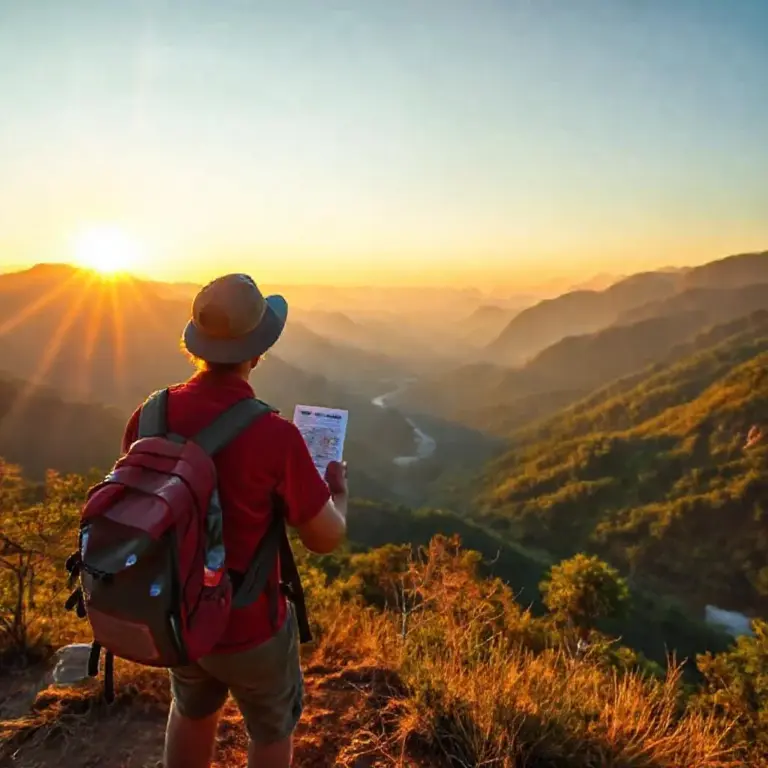
Best time to hike Nong Khiaw viewpoints and how to plan your day (weather, permits, guided vs self-guided)
- Best time to hike Nong Khiaw viewpoints and how to plan your day (weather, permits, guided vs self-guided)
Nong Khiaw, nestled along the Nam Ou River in Northern Laos, is a traveler’s paradise renowned for its dramatic karst scenery. While the town itself is charming, the real draw lies in the breathtaking viewpoints that offer panoramic vistas of limestone peaks and winding rivers. Planning your trek effectively is crucial to maximizing this experience. This comprehensive guide details the best time to hike Nong Khiaw viewpoints, covering everything from seasonal weather shifts to permit logistics and whether you should hire a guide or strike out solo.
Understanding the Nong Khiaw Hiking Landscape
The primary hiking destination near Nong Khiaw is the Pha Daeng Peak Viewpoint (sometimes called Pha Daeng or Pha Daeng Viewpoint 1). However, there are several accessible, stunning spots. Successful planning hinges on understanding the local climate and the specific demands of the trails.
The Crucial Factor: When is the Best Time to Hike Nong Khiaw Viewpoints?
Laos experiences three distinct seasons: cool/dry, hot/dry, and wet/monsoon. Timing your visit around these seasons directly impacts trail conditions, visibility, and overall enjoyment.
1. The Peak Season: Cool and Dry (November to February)
This is widely considered the best time to hike Nong Khiaw viewpoints. The weather is pleasant, with daytime temperatures ranging from 20°C to 28°C. The air is dry, meaning the trails—though sometimes steep—are firm and less slippery.
- ✓ Excellent visibility for photography.
- ✓ Comfortable hiking temperatures.
- ✗ Higher tourist numbers, especially around Christmas/New Year.
2. The Shoulder Season: Hot and Dry (March to May)
Temperatures soar during this period, often exceeding 35°C. While the trails are dry, the heat can make strenuous climbs exhausting. Start your hike extremely early (pre-dawn) if you choose this time.
3. The Monsoon Season (June to October)
Expect heavy, frequent rainfall. While the landscape is intensely green and lush, this season presents significant challenges:
- &warning; Trails become extremely muddy, slippery, and potentially dangerous.
- &warning; Heavy cloud cover often obscures the epic views.
- ✓ Fewer crowds.
Planning Your Day: Logistics for Nong Khiaw Hikes
Once you’ve chosen your season, the next steps involve practical preparation concerning permits, access, and navigation.
Permits and Entrance Fees
For the main Pha Daeng Viewpoint, a small entrance fee is required. This fee supports local community efforts and trail maintenance. As of recent years, the fee is typically around 10,000 LAK, though this is subject to change.
Where to pay: The fee is usually collected at a small booth near the trailhead entrance or by the guide, depending on your arrangement. Always carry small denominations of Lao Kip.
Guided vs. Self-Guided Hiking: Making the Choice
Deciding whether to hire a local guide is a key planning decision. The best time to hike Nong Khiaw viewpoints might be the cool season, but even then, preparation matters.
Self-Guided Hiking
The main Pha Daeng trail is relatively well-marked, making self-guided hikes possible, especially during peak season. This offers flexibility and cost savings.
- ✓ Cost-effective.
- ✓ Freedom to set your own pace.
- ✗ Risk of getting lost on less-frequented side trails.
- ✗ No local insight or safety net.
Hiring a Local Guide
Hiring a local guide is highly recommended, particularly if you are hiking during the shoulder or wet seasons, or if you plan on exploring more remote peaks.
| Factor | Self-Guided | Guided |
|---|---|---|
| Safety/Navigation | Moderate Risk | Low Risk |
| Cost | Low (Fee only) | Moderate (Fee + Guide Rate) |
| Local Insight | None | High |
| Best Season | Nov-Feb | All Year |
Essential Gear Checklist for Your Ascent
Regardless of the time of year, pack smart. A well-prepared hiker enjoys the view more!
- Footwear: Sturdy hiking shoes or trail runners with good grip are non-negotiable. Flip-flops are dangerous.
- Water: Minimum 1.5 liters per person. Dehydration is a major risk, especially pre-dawn or midday.
- Light Source: Essential if aiming for sunrise or sunset. A headlamp is superior to a phone light.
- Sun Protection: Hat, sunglasses, and high-SPF sunscreen (even on cloudy days).
- Snacks: Energy bars or fruit for quick boosts.
Exploring Beyond Pha Daeng: Other Viewpoint Options
While Pha Daeng is the most famous, adventure seekers should look into longer treks, often requiring guides.
The Hike to Muang Ngoi Neua
A short boat ride up the Nam Ou River takes you to Muang Ngoi Neua. From here, there are additional, less-trafficked viewpoints that offer different perspectives on the karst topography. These are generally longer hikes and almost always require local guidance for navigation and safety.
Video Guide Integration
To give you a visual sense of the climb and the spectacular reward, here is a detailed look at the journey:
Watching footage like this confirms why planning for the best time to hike Nong Khiaw viewpoints—ideally November through February—is essential for capturing views like the one demonstrated above.
Where to Find Nong Khiaw (Map Reference)
Nong Khiaw is located in the northern province of Luang Prabang, Laos. Use this reference point for general location plotting:
Conclusion: Your Perfect Nong Khiaw Viewpoint Day
To summarize, the best time to hike Nong Khiaw viewpoints is during the cool, dry season (Nov–Feb) for optimal weather and visibility. Plan your day to start well before sunrise if you target the classic dawn shot, secure your small permit fee, and seriously consider hiring a local guide for enhanced safety and local knowledge. With careful preparation, the panoramic limestone vistas of Nong Khiaw will be the highlight of your Laos adventure.
คำถามที่พบบ่อย (FAQ)
How long does it take to hike to the Pha Daeng Viewpoint?
The hike to the main Pha Daeng Viewpoint typically takes between 45 minutes to 1.5 hours one way, depending on your fitness level and how early you start. Allow extra time for photos at the top.
Do I need special hiking boots for Nong Khiaw trails?
While dedicated hiking boots provide the best grip, sturdy athletic shoes or trail runners with excellent tread are usually sufficient, especially during the dry season. Avoid sandals or smooth-soled shoes due to the steep, sometimes rocky, and slippery terrain.
Is it safe to hike alone in Nong Khiaw?
Hiking the main Pha Daeng trail alone during peak season is generally considered safe due to the presence of other tourists and the fee collector. However, for remote trails or during the rainy season, hiring a guide is strongly recommended for safety and navigation assurance.
Can I see the sunrise without an early start?
To see the sun actually crest the horizon over the mountains from the main viewpoint, you must start hiking about 1.5 to 2 hours before sunrise. If you arrive later, you will still see beautiful morning light, but not the actual sunrise moment.
What currency should I use for fees and guides?
The local currency, Lao Kip (LAK), is required for small entrance fees. Guides may accept Thai Baht or USD, but it is best to confirm prices in Kip or your home currency beforehand. Always carry small Kip notes.
References
- Nong Khiaw Viewpoints Hike Guide: Complete Route, Safety Tips, and Best Photo Spots for Pha Daeng, Pha Kuang, and Phanoi
- Step-by-step trail routes and difficulty levels for Pha Daeng, Pha Kuang, and Phanoi (maps, distances, elevation, estimated times)
- Safety, gear, and navigation tips for Nong Khiaw hikes (footwear, water, trail markers, local guides, emergency contacts)