History and cultural context of Lao silk weaving: origins, ethnic influences, and traditional motifs
- History and cultural context of Lao silk weaving: origins, ethnic influences, and traditional motifs
- Origins of a Timeless Craft
- Ethnic Tapestry: Influences on Lao Silk
- The Language of Threads: Traditional Motifs and Their Meanings
- From Silkworm to Fabric: Techniques and Materials
- Preserving a Precious Heritage: Silk Weaving in Modern Laos
- Experiencing Lao Silk Weaving as a Tourist
- Conclusion
- คำถามที่พบบ่อย (FAQ)
The vibrant threads of Laos tell a story steeped in history, culture, and profound artistry. At the heart of this narrative lies Lao silk weaving, a tradition that is far more than just a craft; it is a living testament to the nation’s heritage, passed down through generations of skilled women. For visitors exploring Laos, understanding this intricate art form offers a unique window into the soul of the country. This journey through the history and cultural context of Lao silk weaving will uncover its ancient origins, the diverse ethnic influences that shape its character, and the symbolic traditional motifs that adorn these exquisite textiles. [1, 2, 3, 4, 13]
Origins of a Timeless Craft
The ancient traditions of weaving in Laos can be traced back over 1,200 years, coinciding with the migration of the Tai-Lao people from modern-day Southern China. These migrants brought with them the sophisticated art of silk cultivation and weaving, a practice that had flourished in China for centuries. [2, 3, 7] Upon their arrival, they encountered indigenous Mon-Khmer groups, primarily in the southern provinces, who already possessed their own weaving traditions, working with cotton and hemp. [2, 3] This initial blend of cultures laid the foundation for the rich ethnic diversity in silk weaving that defines Laos today. The techniques and materials used for creating these stunning textiles have changed very little over the past millennium, maintaining an authentic connection to their ancient roots. [2]
Ethnic Tapestry: Influences on Lao Silk
Laos is a mosaic of ethnic groups, each contributing its unique flair to the national textile heritage. The evolution of weaving in Laos is a direct result of the cultural contact and blending between these diverse communities. [3, 5] Ethnologists can often trace Lao textiles back to specific villages due to the distinctive designs representative of that unique culture or family. [3]
- Tai-Lao Groups: Predominantly use an upright loom and are known for techniques like chok, a discontinuous supplementary weft weaving technique. [2, 3, 17] This intricate method involves inserting two or more different colored threads between each row of warp thread by hand, akin to embroidery. [3]
- Mon-Khmer and Austro-Asiatic Weavers: Often utilize a backstrap/body tension loom, contrasting with the upright looms of the Tai people. [2, 3]
- Hmong Ethnic Group: Recognized for their complex embroidery, evident in traditional garments and accessories, featuring distinctive motifs and bright colors. [5, 22]
The many ethnic groups provide a vast variety of patterns, color schemes, and shapes, ensuring that garments often portray the wearer’s identity, social, and marital status. [3, 4, 23]
The Language of Threads: Traditional Motifs and Their Meanings
Lao silk textiles are rich with traditional designs and patterns, known as motifs, that are not merely ornamental but carry profound symbolic meanings. These symbols are inspired by the natural environment, Buddhist traditions, local culture, and Lao mythology. [2, 4, 12, 13, 22]
- Naga (Phanya Naak/Nguak): The mythical river serpent is one of the most prominent motifs, symbolizing protection, fertility, and magical power. [2, 4, 5, 12, 13, 19, 22] It is believed to be the ancestor of the Lao people and is crucial in a society dependent on water for rice cultivation. [4, 13]
- Siho: A mythical creature, half-elephant and half-lion, representing great power and strength. [2, 12]
- Hongkham: A mythical golden swan, symbolizing wealth and luck. [12]
- Birds: Often symbolize freedom. [2] The Garuda, a sun bird, is also a heavenly being that wanders between human and heavenly worlds. [4]
- Flowers and Plants: Lotus flowers symbolize purity and enlightenment [12, 21], while palm leaves represent the ‘tree of life’ connecting earth and heaven. [4] Mulberry trees, essential for silkworms, also feature. [2]
- Geometric Patterns: Diamonds or stars often appear in rows, symbolizing the cosmos and its directions, and are used for protection against negative energy. [4, 13, 21]
- Animals: Living animals like elephants and frogs are popular inclusions, with frogs encouraging rainfall and fertility. [2, 4, 13, 19]
These motifs are passed down from mother to daughter, with family heirlooms often serving as inspiration for new pieces. [3, 4]
From Silkworm to Fabric: Techniques and Materials
The creation of Lao silk is a labor-intensive process that demands skill, patience, and dexterity. It begins with sericulture, the cultivation of silkworms that feed exclusively on mulberry leaves. [2, 7, 14, 15] The quality of these leaves directly impacts the silk produced. Once the silkworms spin their cocoons, the delicate threads are carefully unraveled.
Watch the Silk Making Process!
To truly appreciate the dedication behind Lao silk, watch this video showcasing the journey from silkworms to vibrant woven fabric, and how it empowers women in northern Laos.
Next, the silk threads are dyed using natural pigments derived from plants, insects, and minerals. Common natural dyes include indigo for blues, mulberry fruit for purples, and tamarind for rich tones. [2, 5, 7, 11] The preparation of these dyes is a meticulous process, often taking days or months to achieve the desired hue, and the resulting colors are unique and cannot be replicated by machines. [5, 7]
Weavers then employ various techniques, many of which are highly complex. These include: [4, 17]
- Supplementary Weft Weaving (Chok): Where decorative motifs are created using additional threads that appear as though embroidered onto the cloth. This technique is particularly prominent in northern Laos. [3, 4, 17]
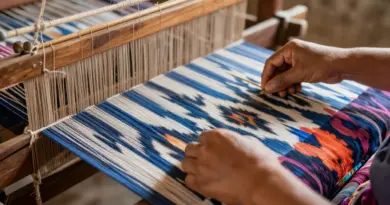
- Ikat (Matmee): A process where warp or weft threads are resist-tied and pre-dyed in a pattern before weaving, creating a distinct, often blurred effect. [4, 17]
- Tapestry Weaving: A freestyle technique popular in northern Laos. [4]
A single, complex piece can take weeks or even months to complete, with weavers sometimes producing only an inch of material per day for highly intricate designs. [4, 6, 16, 18]
Preserving a Precious Heritage: Silk Weaving in Modern Laos
The art of Lao silk weaving faced significant challenges during periods of political turmoil and war in the 20th century. The communist regime in 1975 saw a decline in demand for elaborate hand-woven silks, leading to a near extinction of the craft as wealthy patrons were exiled and the market dried up. [3, 7] However, the late 1980s and early 1990s witnessed a remarkable revival, largely spearheaded by determined women and organizations committed to preserving this cultural treasure. [2, 3, 7, 13]
Today, Lao silk weaving is seen as a powerful tool for cultural preservation, women’s empowerment, and economic development. Organizations like Mulberries Organic Farm and Lao Textiles (founded by Carol Cassidy) have played crucial roles in training new generations of weavers, providing sustainable livelihoods, and bringing Lao silk to international recognition. [7, 13, 14, 16, 18] The craft’s resurgence is also linked to the growth of tourism, with increasing global demand for authentic, handmade textiles. [2, 4, 7, 13]
Experiencing Lao Silk Weaving as a Tourist
For those visiting Laos, engaging with the silk weaving tradition is an enriching experience. Many tour operators and local businesses offer opportunities to witness this art firsthand:
- Lao Textile Museum (Vientiane): A hidden gem showcasing historical examples and modern techniques of silk weaving in traditional Lao huts. Visitors can see tools, try mixing dyes, and view ancient textiles. [2, 19, 20]
- Silk Farms and Workshops: Locations like Mulberries Organic Farm offer tours where visitors can learn about the entire silk production cycle, from mulberry cultivation and silkworm rearing to dyeing and weaving. Many offer hands-on classes. [14, 15]
- Local Markets and Boutiques: Bustling markets across Laos, especially in tourist hubs like Luang Prabang, offer a wide array of locally produced silk products. Specialist boutiques provide authentic and high-quality textiles. [2, 8, 11]
- Village Visits: Some tours include visits to villages like Ban Khok Kong, a Lao Loum village renowned for its traditional silk weaving, providing insights into community life and craftsmanship. [8]
These experiences not only allow tourists to purchase beautiful souvenirs but also to gain a deeper appreciation for the intricate artistry and the cultural significance woven into every thread of Lao silk weaving. [7, 8, 13, 21]
Conclusion
The history and cultural context of Lao silk weaving is a captivating narrative of resilience, artistry, and tradition. From its ancient origins with the Tai-Lao migrants and the rich influences of various ethnic groups to the profound symbolism embedded in each motif, Lao silk tells a story of a nation’s soul. This centuries-old craft, once threatened, has been revitalized through the dedication of its women weavers and the growing interest from global admirers and tourists. Experiencing Lao silk weaving today is not just about observing a craft; it is about connecting with a living heritage that continues to empower communities and enchant the world, one exquisite thread at a time.
คำถามที่พบบ่อย (FAQ)
References
- The Ancient Art of Lao Silk Weaving – Pure Breaks
- Textile Guide: Lao weaves – Wandering Silk
- Silk Textiles | Tradition of Silk Weaving in Laos | Silk Art – Asian Antiques
- The History of Lao Weaving and Natural dyes – Samorn Sanixay
- The Magical World of Lao Silk Weaving: A Centuries-Old Craft – SheSight
- Ban Khok Kong – A Lao Loum Village Known For Traditional Silk Weaving – Laos Tours
- This is How Silk is Made | Mulberry Farm in Laos | Empowering Lao Women – YouTube
- Weaving of Laos – Asia InCH – Encyclopedia of Intangible Cultural Heritage
- Luang Prabang Silk GI – Traditional Laos Silk-Weaving at its best – WIPO
- More than just motifs: The stories told in Lao textiles – Ock Pop Tok
- Lao Silk : A Tradition Woven Into Generations – Álula Magazine
- Mulberries Silk Farm Visits in Laos
- Preserving Lao Weaving Traditions – YouTube
- Weaving of Laos – Global InCH – Encyclopedia of Intangible Cultural Heritage
- Laos Story on Traditional Textile Weaving Cultural Heritage – YouTube
- Laos Silk Weaving Up Close – Travelogues from Remote Lands
- The Silk Road Safari
- The Legacy of Handwoven Lao Silk
- Laos: The Art of Weaving and Traditional Handicrafts – Asia King Travel
- Laos Silk – Retire Asia.
- Traditional Lao Arts and Crafts: A Guide to Silk Weaving — An Introduction to History, Techniques, and Cultural Significance
- Materials and tools used in Lao silk weaving: silk types, natural dyes, looms, and preparation processes
- Step-by-step silk weaving techniques and patterns: warp/weft setup, ikat (mudmee) resist-dyeing, and common pattern constructions