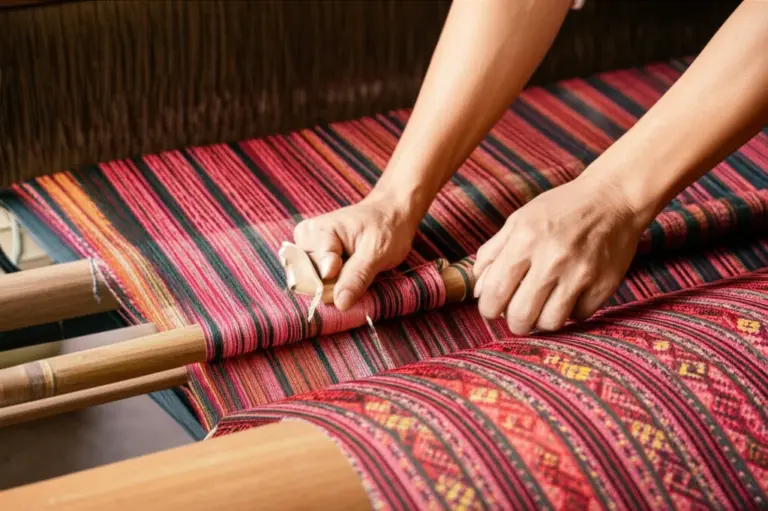
Traditional Lao Arts and Crafts: A Guide to Silk Weaving — An Introduction to History, Techniques, and Cultural Significance
- Traditional Lao Arts and Crafts: A Guide to Silk Weaving — An Introduction to History, Techniques, and Cultural Significance
- The Enduring Legacy of Lao Silk Weaving
- A Tapestry of History: The Origins of Lao Silk
- From Cocoon to Cloth: The Art of Silk Production
- Mastering the Loom: Traditional Lao Weaving Techniques
- Cultural Threads: Significance in Lao Society
- Supporting Lao Artisans: Sustainable Tourism and Preservation
- คำถามที่พบบ่อย (FAQ)
Traditional Lao Arts and Crafts, particularly the intricate practice of Lao Silk Weaving, represent a vibrant thread in the rich cultural tapestry of Laos. This ancient craft is more than just textile production; it’s a profound expression of history, identity, and artistic mastery passed down through countless generations. For visitors exploring the enchanting landscapes and deep cultural heritage of Laos, understanding the nuances of silk weaving offers a unique window into the soul of the nation. It showcases not only exceptional skill but also the enduring spirit of its people. [2, 12]
The Enduring Legacy of Lao Silk Weaving
The traditions of weaving in Laos can be traced back over 1,200 years, coinciding with the migration of the Tai-Lao people from modern-day Southern China. These early settlers brought with them the sophisticated art of silk cultivation and weaving, skills honed over centuries in China. [2, 3] Upon their arrival, they encountered indigenous Mon-Khmer groups who already practiced weaving with cotton and hemp, leading to a rich blend of cultural influences that shaped the diverse textile landscape seen today. [2, 3] Historically, silk weaving was predominantly a home craft performed by women, with skills meticulously passed from mothers to daughters, often within the upper classes. [2, 10] These textiles were not merely utilitarian; they were central to special occasions, spiritual ceremonies, and served as significant family heirlooms. [2, 10]
A Tapestry of History: The Origins of Lao Silk
The history of Lao silk is deeply intertwined with the region’s broader textile heritage. The Tai-Kadai people, arriving around 1,200 years ago, introduced silk production, dyeing, and weaving techniques that have largely remained unchanged. [3] For many years, the craft flourished, with royal families and the wealthy commissioning elaborate pieces, often incorporating gold and silver threads to signify status. [9] However, the mid-20th century brought significant challenges. After World War II, Laos faced political turmoil and civil war, which severely threatened the ancient craft. [2, 3] Thousands were displaced, and the weaving industry experienced a sharp decline under a communist regime that initially deemed such elaborate hand-woven silks unimportant. [2, 3]
Fortunately, a resurgence began in the 1990s, largely driven by the relaxation of tourism and the dedicated efforts of individuals committed to preserving this heritage. [2, 3] Visionaries like American master weaver Carol Cassidy played a pivotal role, establishing enterprises like Lao Textiles, which helped revive and popularize Lao silk on an international scale. [2, 16, 19] Today, the demand for authentic Lao silk, both domestically and internationally, continues to grow, ensuring the craft’s future. [2, 9]
From Cocoon to Cloth: The Art of Silk Production
The journey of Lao silk from humble beginnings to exquisite fabric is a testament to sustainable practices and meticulous handcraftsmanship. [8, 12]
Sericulture: The Cultivation of Silk
The process begins with the mulberry tree, arguably the most crucial element in Lao silk production. Its leaves are the sole food source for silkworms, making careful cultivation of high-quality mulberry essential. [2, 12, 18] After feeding, the silkworms spin their cocoons. The silk is then carefully hand-reeled from these cocoons, a process that contributes to the unique soft and slightly irregular texture characteristic of Lao silk, distinguishing it from factory-produced varieties. [7, 18] Raw silk contains sericin, a gummy substance that protects the fibers. This is later removed through a process called degumming, which leaves the silk soft and lustrous. [10, 18]
Natural Dyeing Techniques
A hallmark of traditional Lao silk is the use of natural dyes, sourced from local plants, insects, and minerals. [2, 7, 12] This labor-intensive process, which can take days or even months to prepare a single color, ensures vibrant, rich, and often unique tones. [7] Common sources include indigo for blues and greens, annatto seeds for oranges and yellows, and rosewood bark for reds. [18] The skill of master dyers, developed over years of practice, is crucial for achieving precise and beautiful results, ensuring that each piece of silk carries the essence of nature’s palette. [7]
Learn about the fascinating process of silk production at a mulberry farm in Laos.
Mastering the Loom: Traditional Lao Weaving Techniques
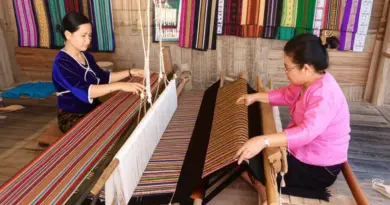
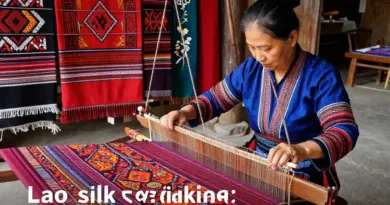
Lao weavers employ a variety of sophisticated techniques, each demanding immense skill, patience, and dexterity. Two primary types of looms are traditionally used: the upright or floor loom, favored by Tai ethnic groups, often found under stilted houses; and the backstrap or body tension loom, typically used by Mon-Khmer and Austro-asiatic weavers. [2, 3, 7, 22]
Key Weaving Methods
- Supplementary Weft (Chok): This highly prized technique involves inserting additional threads by hand between rows of warp threads to create intricate motifs. [3, 10, 22] It’s akin to embroidery but integrated directly into the weave, with the designs often worked from the reverse side of the fabric. Chok patterns are dense, colorful, and do not extend across the entire width of the cloth, making them stand out. [3, 22]
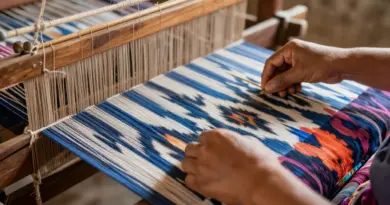
- Ikat (Matmee): A resist-dyeing technique where patterns are created by tying and dyeing sections of the warp or weft yarns before they are woven. [10, 22] This results in characteristic blurred or feathered-edge designs, where colors appear to bleed into one another, creating a unique artistic effect. [10, 22]
- Tapestry Weaving: Less common but also practiced, especially in northern Laos, this is a freestyle weaving technique that allows for a wide range of artistic expression. [10]
The creation of these textiles requires immense concentration; a single slip of a finger can lead to errors. [3] Weavers often spend months, or even a full day for just an inch of complex design, to complete a single piece, highlighting the profound dedication inherent in this art form. [3, 16]
Cultural Threads: Significance in Lao Society
Beyond their aesthetic appeal, Lao silk textiles are imbued with deep cultural and spiritual significance. They are living narratives, telling stories of history, mythology, and personal experiences. [2, 6, 12]
Symbolism in Patterns and Motifs
Patterns woven into Lao silk are distinctive to each ethnic group and often carry symbolic meanings. [2] Common motifs include: [6, 8, 12, 18, 20]
- Naga: The mythical serpent-like creature, believed to reside in the Mekong River, symbolizes wisdom, strength, protection, and is considered an ancestor of the Lao people. [6, 8, 17, 18, 25]
- Lotus Flower: Represents purity, enlightenment, and spiritual balance. [8, 12, 17]
- Diamond Patterns: Signify prosperity, abundance, and harmony. [8]
- Animals (Elephants, Birds, Frogs): Represent strength, freedom, fertility, and good luck. [2, 6, 12, 18]
Role of Women and Traditional Attire
Women have historically been the custodians of silk weaving, passing down these vital skills and stories. [2, 6, 9, 10, 19, 20] In traditional Lao society, a woman’s ability to weave was highly valued, and textiles were essential for dowries and ceremonial wear. [16] The traditional Lao tube skirt, known as the Sinh, is a prime example of this artistry and is worn by women for special occasions and daily life. [6, 20] The craft also serves as a source of empowerment and economic independence for women in rural communities, with cooperatives like Mulberries enabling thousands of artisans to sustain their livelihoods and preserve their heritage. [6]
Supporting Lao Artisans: Sustainable Tourism and Preservation
For tourists, engaging with Lao silk weaving offers a meaningful way to connect with the local culture and support ethical, sustainable practices. Several regions and organizations are dedicated to preserving and promoting this art form:
- Luang Prabang: Recognized as a hub for arts and crafts, Luang Prabang offers numerous opportunities to explore silk weaving. Visitors can find weaving villages like Ban Xang Khong and Ban Phanom, or visit centers such as Ock Pop Tok, which often provide workshops and tours. [11, 18, 21]
- Vientiane: The capital city is home to institutions like the Lao Textiles Museum and Carol Cassidy’s workshop, where visitors can witness master weavers at work and purchase high-quality textiles. [2, 16]
- Champassak Province (Don Kho Island): This island is a significant center for traditional silk weaving in Southern Laos, known for its spectacular patterns. Homestays often offer opportunities to learn weaving. [14]
- Houaphanh Province: Known for its distinctive Tai Daeng ethnic group textiles, featuring ancient Naga and bird motifs, often crafted with discontinuous supplementary weft techniques. [20]
By purchasing authentic hand-woven Lao silk and participating in workshops, tourists directly contribute to the economic well-being of artisans and the preservation of this invaluable cultural heritage. [11, 12]
คำถามที่พบบ่อย (FAQ)
References
- [2] Pure Breaks. The Ancient Art of Lao Silk Weaving.
- [3] Wandering Silk. Textile Guide: Lao weaves.
- [6] Álula Magazine. Lao Silk : A Tradition Woven Into Generations.
- [7] Samorn Sanixay. The History of Lao Weaving and Natural dyes.
- [8] Lao Souvenir. The Legacy of Handwoven Lao Silk.
- [9] UNL Digital Commons. From the Village House to the Urban Markets: The Evolution of Silk Production in Laos.
- [10] Asian Antiques. Silk Textiles | Tradition of Silk Weaving in Laos | Silk Art.
- [11] Discover Laos. Half-day Silk Weaving Experience in Luang Prabang.
- [12] Inside Laos. Lao silk: an ancient craft of meticulous weaving.
- [14] Ecotourism Laos. Silk Weaving on Don Kho Island – Champassak Province.
- [16] YouTube. Laos Story on Traditional Textile Weaving Cultural Heritage.
- [17] Remotelands. Laos Silk Weaving Up Close.
- [18] WIPO. Luang Prabang Silk GI – Traditional Laos Silk-Weaving at its best.
- [19] YouTube. Preserving Lao Weaving Traditions.
- [20] Tourism Laos. Textile Treasures of Laos: A Celebration of Culture, Craft.
- [21] Luang Prabang-Laos. Handicraft tour around Luang Prabang.
- [22] Global InCH. Weaving of Laos – Encyclopedia of Intangible Cultural Heritage.
- [23] Wikipedia. Lao silk.
- [25] YouTube. Traditional craft of Naga motif weaving in Lao communities.
- History and cultural context of Lao silk weaving: origins, ethnic influences, and traditional motifs
- Materials and tools used in Lao silk weaving: silk types, natural dyes, looms, and preparation processes
- Step-by-step silk weaving techniques and patterns: warp/weft setup, ikat (mudmee) resist-dyeing, and common pattern constructions