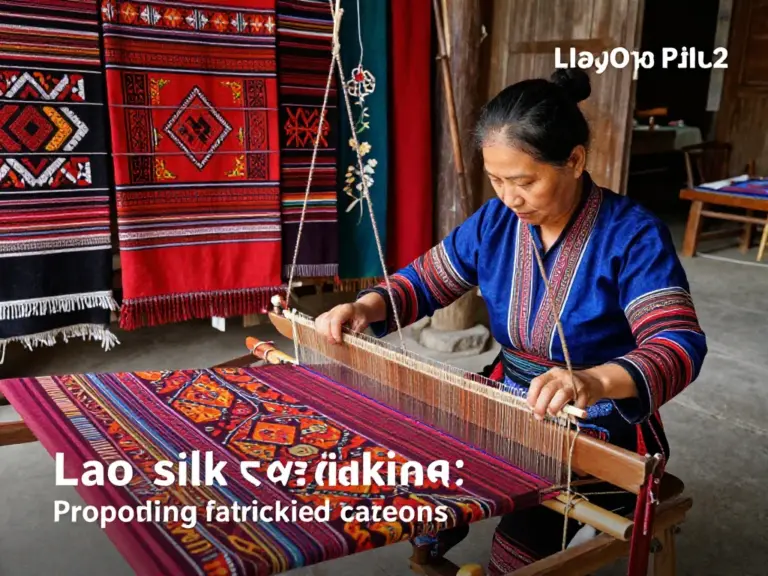
Overview of Lao Silk Weaving Traditions, Cultural Significance, and Regional Styles
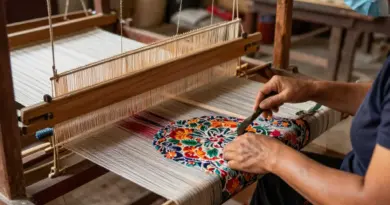
Lao Silk Weaving is not merely a craft; it is a profound expression of identity, spirituality, and history woven into the very fabric of Laotian life. For centuries, the rhythmic sound of the wooden loom has been a heartbeat in rural villages across Laos. This ancient tradition, passed down from mothers to daughters, represents one of the most sophisticated forms of textile art in Southeast Asia. From the intricate patterns of the royal courts to the symbolic motifs of ethnic tribes, Lao silk tells a story of a people deeply connected to their environment and their ancestors.
The Deep Cultural Significance of Lao Silk Weaving
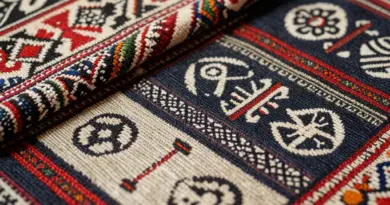
In Laos, textiles serve as a visual language. The cultural significance of Lao Silk Weaving extends far beyond aesthetics. Silk fabrics are used in every major life milestone, from birth and marriage to religious ceremonies and funerals. The traditional tube skirt, known as the sinh, is a symbol of Lao womanhood. Each sinh consists of three parts: the hua sinh (head), the phuen sinh (body), and the teen sinh (foot/border), often featuring complex geometric or mythical patterns that indicate the wearer’s regional origin and social status.
Spirituality also plays a massive role. Many patterns incorporate protective symbols like the naga (mythical river serpent), which is believed to offer protection and bring rain for the harvest. By wearing these intricately woven garments, Laotians maintain a connection with the spirit world and their cultural heritage. The act of weaving itself is often seen as a form of meditation, requiring immense focus and a deep understanding of mathematical symmetry.
The Intricate Process: From Silkworm to Masterpiece
The production of Lao silk is a labor-intensive process that remains largely organic. It begins with the cultivation of mulberry trees to feed the silkworms. Unlike industrial silk, Lao silk is often hand-spun, resulting in a slightly textured, “raw” feel that is highly prized by collectors. The golden cocoons of the Bombyx mori silkworm are boiled to extract the delicate filaments, which are then spun into thread.
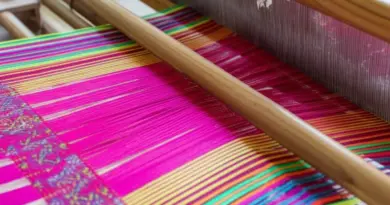
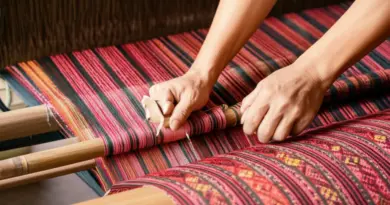
Natural dyes are another hallmark of traditional Lao textiles. Artisans use indigo for deep blues, jackfruit wood for yellows, lac (an insect resin) for reds and pinks, and various barks and leaves for earthy tones. This commitment to natural processes ensures that each piece of silk is unique and environmentally sustainable. The weaving itself is performed on traditional floor looms, using techniques such as matmii (ikat), chok (discontinuous supplementary weft), and kit (continuous supplementary weft).
Regional Styles and Distinctive Patterns
Laos is home to diverse ethnic groups, each contributing unique styles to the national weaving heritage. The regional variations are a testament to the country’s rich cultural mosaic.
| Region | Key Characteristics | Common Motifs |
|---|---|---|
| Luang Prabang | Refined, elegant, often uses gold and silver threads. | Royal symbols, intricate floral patterns. |
| Houaphanh (Sam Neua) | Highly complex supplementary weft, dense patterns. | Nagas, mythical birds (Hong), shamans. |
| Southern Laos (Champasak) | Famed for ikat (matmii) techniques on silk and cotton. | Geometric diamonds, river-inspired designs. |
| Xieng Khouang | Bold, contrasting colors and sturdy weaves. | Traditional animals and village life scenes. |
Luang Prabang: The Royal Legacy
As the former royal capital, Luang Prabang developed a style characterized by extreme delicacy. Weavers here often incorporate metallic threads (tinsel) to create shimmering garments fit for royalty. The patterns are typically smaller and more refined than those found in the rugged northern mountains.
Houaphanh: Stories in Thread
The province of Houaphanh is arguably the heart of Lao textile art. The weavers of Sam Neua are famous for their pha biang (ceremonial sashes) that feature a dizzying array of mythical creatures. These textiles serve as spiritual protection and are often used in healing ceremonies led by local shamans.
Preserving the Craft through Sustainable Tourism
For travelers visiting Laos, engaging with the weaving community is a highlight of the journey. Organizations like Ock Pop Tok in Luang Prabang and various village cooperatives have pioneered “fair trade” models that ensure weavers receive a living wage while preserving traditional techniques. Visitors can participate in weaving workshops, dye their own silk scarves, and learn about the silkworm lifecycle. Supporting these initiatives helps keep the Lao Silk Weaving tradition alive in the face of modern industrial competition.