How to participate respectfully: appropriate behavior, clothing, and offerings for visitors
Laos is a land of deep spirituality, gentle smiles, and ancient traditions. Known as the “Land of a Million Elephants,” it offers a serene escape for travelers seeking authenticity. However, to truly connect with the heart of Lao culture, one must understand the nuances of respectful travel in Laos. Whether you are wandering through the UNESCO World Heritage site of Luang Prabang or exploring the remote villages of the north, your behavior, clothing, and interactions with the local community define your impact as a visitor.
Dressing for the Occasion: The Lao Dress Code
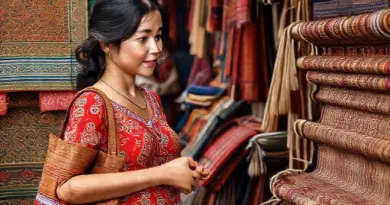
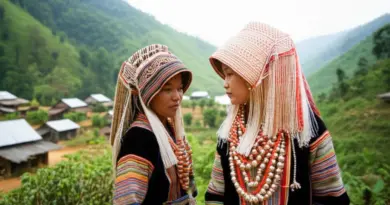
In Laos, clothing is more than just a fashion statement; it is a sign of respect for the community and religious institutions. The general rule is to dress modestly. While the tropical heat might tempt you to wear short shorts and tank tops, doing so can be seen as offensive, especially in rural areas and religious sites. For respectful travel in Laos, both men and women should aim to cover their shoulders and knees.
When visiting a Wat (temple), the dress code is strictly enforced. Women are often encouraged to wear a Sinh—a traditional, wrap-around silk skirt. Many temples provide these for rent at the entrance if your attire is deemed inappropriate. Men should wear long trousers and a collared shirt or a clean T-shirt. Always remember to remove your shoes and hat before entering a temple building or a local home. Leaving your shoes outside is a universal sign of respect across the country.
The Alms Giving Ceremony (Tak Bat)
The daily morning Alms Giving Ceremony, or Tak Bat, is one of the most sacred traditions in Laos, particularly in Luang Prabang. At dawn, a silent procession of saffron-robed monks walks through the streets to collect offerings from the faithful. As a visitor, you are welcome to observe or participate, but it must be done with the utmost reverence.
If you choose to participate, buy your sticky rice at the local market early in the morning rather than from street vendors along the procession route to ensure the quality of the food. Sit or kneel at a lower level than the monks and keep your head bowed. If you are just observing, maintain a respectful distance. Do not use flash photography, as it is highly disruptive to the meditative nature of the ceremony. Most importantly, maintain silence; this is a religious rite, not a tourist attraction.
Appropriate Offerings and Temple Etiquette
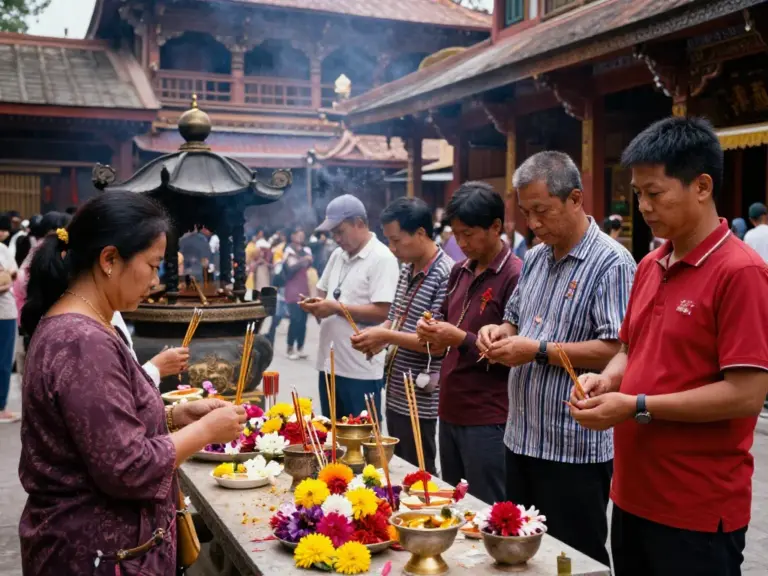
When visiting temples, you may wish to make an offering. Common offerings include flowers (usually lotus or marigolds), incense sticks, and small candles. These can often be purchased near the temple gates. When placing an offering, do so gently and perform a Nop—the traditional Lao greeting where you place your palms together in a prayer-like gesture at chest or nose level and bow slightly.
| Action | Respectful Behavior | What to Avoid |
|---|---|---|
| Physical Contact | Maintain personal space. | Touching someone’s head (it’s sacred). |
| Feet Placement | Tuck feet away when sitting. | Pointing feet at people or Buddha statues. |
| Voice Level | Speak softly and calmly. | Shouting or showing public displays of anger. |
| Public Affection | Keep it subtle and private. | Kissing or hugging in public. |
Social Interactions and the “Heads and Feet” Rule
Understanding the hierarchy of the body is crucial for respectful travel in Laos. The head is considered the most sacred part of the body, while the feet are considered the lowest and “dirtiest.” Never touch a Lao person—especially a child or a monk—on the head. Conversely, never use your feet to point at objects, people, or religious icons. When sitting on the floor in a temple or home, ensure your feet are tucked tucked behind you or to the side, pointing away from the Buddha or your host.
Furthermore, the Lao people value “Jai Yen” or a “cool heart.” Public displays of anger, shouting, or aggressive bargaining are looked down upon and will likely result in the other person “losing face.” Approaching every interaction with a smile and a calm demeanor will get you much further and earn you the respect of the locals.
คำถามที่พบบ่อย (FAQ)
What should I wear when visiting a temple in Laos?
Both men and women should cover their shoulders and knees. Women are encouraged to wear a traditional Lao Sinh (skirt). Always remove your shoes before entering temple buildings.
Can I take photos of the monks during the Alms Giving ceremony?
Yes, but from a distance and without using a flash. Do not disrupt the path of the monks or get too close to their faces with your camera.
Is it okay to touch a monk?
No, especially for women. Women should never touch a monk or his robes. If you need to hand something to a monk, place it on a table or a piece of cloth provided by the monk.
How do I greet people in Laos?
The traditional greeting is the ‘Nop.’ Place your palms together in a prayer-like position at chest level and bow slightly. Avoid shaking hands unless the other person initiates it.