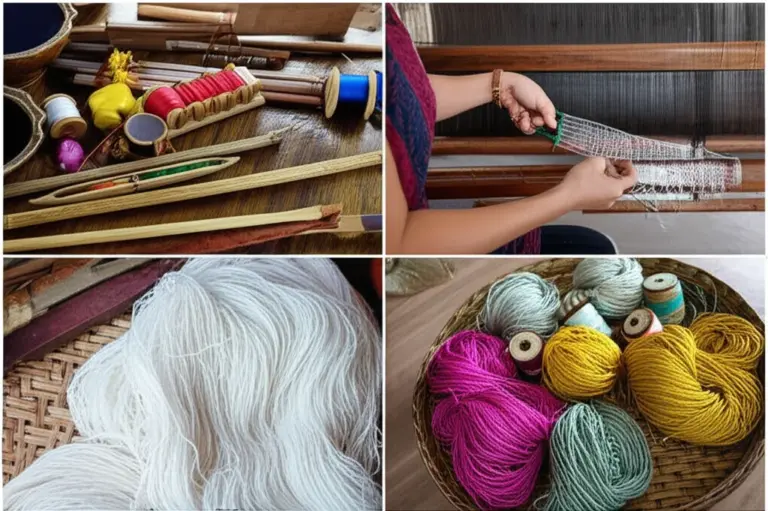
Materials and tools used in Lao silk weaving: silk types, natural dyes, looms, and preparation processes
- Materials and tools used in Lao silk weaving: silk types, natural dyes, looms, and preparation processes
- The Heart of the Craft: Lao Silk Types and Cultivation
- Nature’s Palette: The Art of Natural Dyeing in Lao Silk Weaving
- Tools of the Trade: Looms and Weaving Implements
- The Journey of Creation: Preparation Processes in Lao Silk Weaving
- Preserving a Legacy: Lao Silk Weaving for Tourism
- Conclusion
- คำถามที่พบบ่อย (FAQ)
The vibrant country of Laos, nestled in the heart of Southeast Asia, is renowned for its rich cultural heritage, and among its most cherished traditions is the art of Lao silk weaving. This ancient craft, passed down through generations, creates textiles that are not merely fabric but intricate narratives of history, belief, and identity. For visitors exploring Laos, understanding the meticulous processes, the natural materials, and the traditional tools involved offers a profound appreciation for this exquisite artistry. The journey from a silkworm’s cocoon to a finished silk masterpiece is a testament to patience, skill, and a deep connection to nature. [5, 6]
This article delves into the fascinating world of Lao silk production, focusing on the specific silk types cultivated, the array of natural dyes derived from the local environment, the traditional looms and implements used, and the intricate preparation processes that culminate in the breathtaking textiles admired worldwide.
The Heart of the Craft: Lao Silk Types and Cultivation
At the foundation of all Lao silk weaving lies the silkworm, a creature whose delicate cocoons yield the lustrous threads. The cultivation of silkworms, known as sericulture, is an age-old practice deeply embedded in Lao rural life. [5, 11]
From Cocoon to Thread: Silk Worms and Sericulture
The process begins with the mulberry tree, which serves as the sole food source for the silkworms. Mulberry farms are meticulously maintained to ensure high-quality leaves for healthy silkworms. After about 28-35 days of feeding, the silkworms spin their golden cocoons. These cocoons are then carefully harvested. To extract the silk thread, the cocoons are typically soaked in boiling water to loosen the sericin, the natural gum that binds the silk filaments. Several filaments (up to 100) are then reeled together to form a single, stronger thread. This hand-reeling process is crucial for the unique softness of Lao silk, distinguishing it from factory-produced silk. [5, 9, 11, 13]
Types of Silk Used: Raw Silk and Wild Silk
Lao weavers primarily use two types of silk: Bombyx mori (domesticated silkworm) and Eri silk (a type of wild silk). Bombyx mori, native to India, produces a thick, inconsistent thread, while Eri silk, originating from China, yields a very fine silk thread. Both are utilized depending on the desired texture and type of textile. The outer layers of the cocoons, which cannot be reeled, are often used as stuffing for pillows, demonstrating a sustainable approach where nothing is wasted. [11, 18]
Nature’s Palette: The Art of Natural Dyeing in Lao Silk Weaving
One of the most captivating aspects of Lao silk weaving is the use of natural dyes. This practice not only results in rich, earthy tones but also reflects a deep respect for the environment. For centuries, Lao artisans have extracted vibrant colors from local plants, trees, seeds, roots, and even insects. [5, 6, 13, 19]
Traditional Dye Sources: Indigo, Lac, Jackfruit, Turmeric
A diverse array of natural materials contributes to the extensive color palette. For instance, indigo plants yield deep blues and light greens, while annatto seeds produce oranges and yellows. Rosewood bark is crushed and soaked to create various shades of red, often fixed with shikakai. Turmeric provides bright yellows, and lac insects are used for rich reds. Even coffee beans can be used for brown and purple hues. The specific shade can vary based on the season and water quality, making each dye batch unique. [5, 9, 13, 18, 19]
The Dyeing Process: Preparation, Immersion, Fixing
The dyeing process is a labor-intensive art. First, the natural materials are prepared—crushed, chopped, or soaked—to extract their pigments. The silk threads are then immersed in the dye baths, which can be hot or cold depending on the desired color and material. For example, indigo often requires a cold soak, while rosewood bark is boiled. After achieving the desired color, the silk is rinsed and typically fixed with natural mordants like tamarind, vinegar, or alum to ensure colorfastness. This traditional method allows for over a hundred natural colors without the use of chemicals. [9, 13, 18, 19]
Significance of Natural Dyes
The reliance on natural dyes is not just an aesthetic choice; it’s a commitment to sustainability and a reflection of cultural values. It connects the artisan directly to their environment and preserves traditional knowledge. For tourists interested in Laos Tourism, witnessing this process offers insight into the country’s eco-conscious practices and its rich artistic heritage.
Tools of the Trade: Looms and Weaving Implements
The intricate patterns and textures of Lao silk are brought to life through the skillful manipulation of traditional weaving tools, primarily various types of looms and small, essential implements. [5, 6]
Traditional Lao Looms: Backstrap and Frame Looms
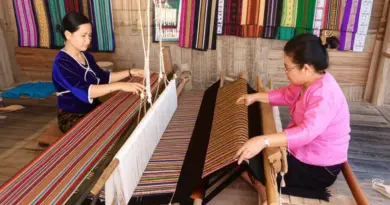
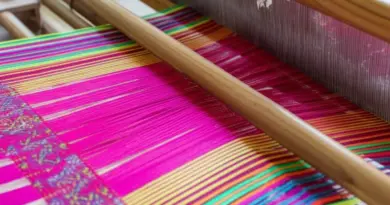
Two main types of looms are prevalent in Lao silk weaving: the backstrap loom and the upright (or frame) loom. The backstrap loom, widely used in rural communities, is lightweight and portable, allowing for detailed designs and precision. It is body-tensioned, meaning the weaver controls the warp tension with their own body. Upright looms, often preferred by ethnic groups who migrated in the 8th century, are larger and more stationary. The choice of loom can often be indicative of an ethnic group’s weaving traditions and the complexity of the patterns they create. [5, 6]
Essential Weaving Tools: Shuttles, Beaters, Bobbins
Beyond the loom itself, a collection of smaller tools is indispensable. Shuttles carry the weft threads across the warp. Beaters (or reeds) are used to push the weft threads tightly into place, creating a compact and durable fabric. Bobbins hold the individual threads, and various sticks and rods are employed for intricate pattern work, especially in techniques like supplementary weft weaving. These tools, often hand-carved, are an extension of the weaver’s hands, enabling the creation of complex motifs.
The Role of the Weaver
Weaving in Laos has traditionally been a woman’s domain, with skills passed from mother to daughter across generations. Young girls often begin learning at an early age, sometimes as young as six. The process demands immense skill, patience, and dexterity, with complex designs sometimes taking months to complete. Each textile created conveys cultural identities, spiritual beliefs, and personal stories, making the weaver not just an artisan but a storyteller. [4, 5, 6, 16]
The Journey of Creation: Preparation Processes in Lao Silk Weaving
The actual weaving is the culmination of several meticulous preparation steps, each vital for the final quality and design of the silk fabric. [9]
Thread Preparation: Reeling, Spinning, Warping
After the silk is reeled from the cocoons and dyed, it undergoes further preparation. Spinning may be required to achieve the desired thread thickness. The threads are then wound onto bobbins. Warping is a critical step where the longitudinal threads (warp) are carefully arranged on the loom, under the correct tension and in the precise order required for the pattern. This setup can be incredibly time-consuming, sometimes taking up to a month for complex designs. [3, 4, 16]
Design and Patterning: Ikat (Mudmee), Supplementary Weft
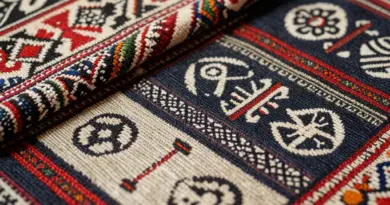
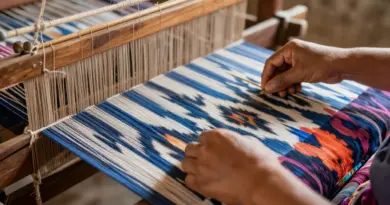
Lao textiles are famous for their intricate patterns, often achieved through techniques like Ikat (known as Mat Mii) and supplementary weft (Chok or Kit). In Ikat, patterns are resist-tied and dyed onto the weft yarns *before* weaving, creating a unique blurred effect as the design emerges during weaving. Supplementary weft involves adding extra threads to create raised patterns, allowing for tremendous detail and texture. These patterns often depict symbolic motifs such as Naga (mythical serpents), elephants, birds, and flowers, reflecting Lao mythology and nature. [3, 4, 5, 7, 13, 16]
The Weaving Process: Step-by-Step
With the loom prepared and threads dyed and arranged, the weaving begins. The weaver meticulously passes the shuttle carrying the weft thread through the warp, using various heddles and rods to separate the warp threads according to the pattern. Each row is carefully beaten into place. For complex designs, weavers may count individual threads and use specialized techniques to inlay patterns. This process is slow and requires intense concentration; an experienced weaver might spend a whole day producing just one inch of material for highly intricate pieces. [3, 15, 16]
Preserving a Legacy: Lao Silk Weaving for Tourism
For those engaged in Laos Tourism, exploring the world of silk weaving offers an unparalleled cultural immersion. Supporting this craft helps preserve an invaluable part of Lao heritage that faced challenges in past decades. Many organizations and individual artisans are working to revive and promote traditional silk weaving, often partnering with local communities and providing training. [5, 6, 15]
Tourists can visit silk farms, weaving centers, and museums, especially in places like Luang Prabang and Vientiane, to witness the entire process firsthand. These experiences often include opportunities to try mixing dyes, observe weavers at work, and purchase authentic, ethically produced silk products. By doing so, visitors directly contribute to the livelihoods of artisans and help ensure these ancient skills are not lost to modernization. [5, 11, 15, 18]
Conclusion
The art of Lao silk weaving is a profound testament to human ingenuity, artistic expression, and cultural resilience. From the humble mulberry leaf to the intricate patterns on a finished textile, every step in the process – from silk cultivation and natural dyeing to the use of traditional looms and meticulous preparation – is imbued with history and meaning. For visitors to Laos, engaging with this craft offers more than just a souvenir; it provides a window into the soul of a nation, fostering a deeper appreciation for its people, their traditions, and their unwavering dedication to beauty.
คำถามที่พบบ่อย (FAQ)
References
- Weaving of Laos – Global InCH – Encyclopedia of Intangible Cultural Heritage
- Textiles of Laos: Traditions, Techniques, Spirituality – Moowon
- The Ancient Art of Lao Silk Weaving – Pure Breaks
- Laos: The Art of Weaving and Traditional Handicrafts – Asia King Travel
- Exploring Unique Laotian Textiles: A Journey Through Traditional Weaving – Ma Te Sai
- How to make Laos silk | Panning Out – WordPress.com
- Luang Prabang Silk GI – Traditional Laos Silk-Weaving at its best – WIPO
- Silk Dyeing 101 at Ock Pop Tok – explore laos
- Lao Weaving + Natural Dyes = Hand Woven Cloth – ClothRoads
- Traditional Lao Arts and Crafts: A Guide to Silk Weaving — An Introduction to History, Techniques, and Cultural Significance
- History and cultural context of Lao silk weaving: origins, ethnic influences, and traditional motifs
- Step-by-step silk weaving techniques and patterns: warp/weft setup, ikat (mudmee) resist-dyeing, and common pattern constructions