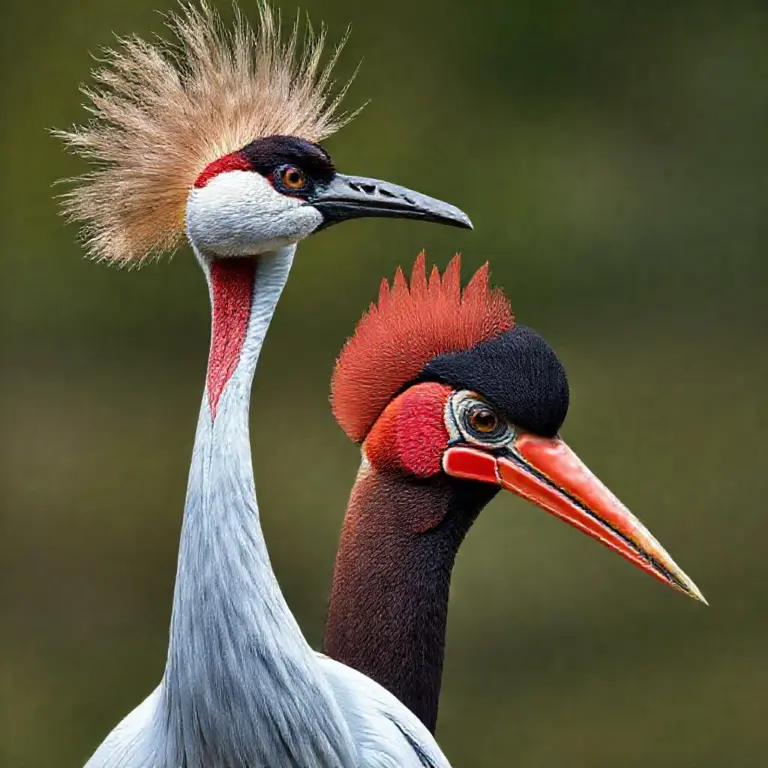
Iconic and Rare Birds You Might See — species list with identifying features and rarity status (e.g., Sarus Crane, Bengal Florican)
- Iconic and Rare Birds You Might See — species list with identifying features and rarity status (e.g., Sarus Crane, Bengal Florican)
- The Giants and the Critically Endangered: Top Species to Track
- Mid-Range Wonders: Visible and Distinctive Species
- Habitat Hotspots for Bird Spotting in Laos
- Ethical Birdwatching: Protecting What You Came to See
- คำถามที่พบบ่อย (FAQ)
- What is the best time of year to birdwatch in Laos?
- Are there any Laos-endemic bird species?
- How can I find a reliable local birding guide?
Welcome to the avian wonders of Laos! For the dedicated eco-tourist and birdwatcher, Laos represents one of Southeast Asia’s most vital, yet underexplored, biodiversity hotspots. Home to dense tropical forests, vast wetlands, and rugged karst landscapes, this country offers unparalleled opportunities to spot truly Iconic and Rare Birds You Might See. This guide is designed for Laos Tourism enthusiasts seeking to identify and appreciate the most significant—and often most elusive—species inhabiting this beautiful nation.
Why Laos is a Birdwatcher’s Paradise
Laos sits within the Indo-Burma biodiversity hotspot. While often overshadowed by its neighbors, its relatively low human population density in remote areas has preserved critical habitats for species facing global decline. Spotting these birds is not just a hobby; it’s participating in conservation awareness.
The Giants and the Critically Endangered: Top Species to Track
The following species are highly sought after, representing the pinnacle of birding achievement in Laos. Their rarity status demands patience, expert guidance, and respect for their fragile habitats.
1. Sarus Crane (Grus antigone)
The Sarus Crane is perhaps the most iconic large bird associated with the region, though its populations in Laos are extremely localized and sparse. They favor open wetlands and rice paddies.
- Identifying Features: The world’s tallest flying bird. Adults boast striking grey plumage, a bare red head and upper neck, and a white patch on the upper wing.
- Rarity Status: Vulnerable (Globally); Extremely Rare (Laos). Sightings are exceptional and usually occur in specific protected wetland areas, often requiring local conservationist coordination.
2. Bengal Florican (Houbaropsis bengalensis)
This is arguably the most critically important bird for conservation efforts in Laos. The Bengal Florican was thought extinct in the country until its rediscovery, making any sighting a landmark event.
- Identifying Features: A medium-sized bustard. Males are strikingly black with a large, bare yellow gular pouch during breeding season, contrasting with white underparts. Females are brownish-buff.
- Rarity Status: Critically Endangered (Globally). Primarily found in the damp grasslands of the Nakai Plateau and potentially Phou Hin Boun National Protected Area.
3. Giant Ibis (Thaumatibis gigantea)
The Giant Ibis is the national bird of Cambodia, but small, fragmented populations persist in the remote forests and seasonally flooded areas of Laos. It is a true ghost of the forest floor.
- Identifying Features: Large size, dark, glossy purplish-black plumage, and a distinctive bare, pale grey face and neck. It forages silently in dense undergrowth.
- Rarity Status: Critically Endangered (Globally). Look in primary lowland, non-flooded forests or swampy areas near major rivers.
Mid-Range Wonders: Visible and Distinctive Species
While the Critically Endangered species grab headlines, many other endemic or near-endemic species offer rewarding sightings for visitors exploring Laos’ diverse ecosystems. These birds are generally easier to find with persistence.
4. Siamese Fireback (Lophura diardi)
A spectacular pheasant often found in the mid-elevation evergreen forests, making it a colorful target for photographers.
- Identifying Features: Males have brilliant iridescent blue-black plumage, a crest of golden-yellow feathers, and striking red facial skin. Females are duller brown overall.
- Rarity Status: Near Threatened. Common in suitable forested habitats across Laos, particularly in areas like the Annamite Mountains.
5. White-winged Wood Duck (Asarcornis sanmatius)
A beautiful, large duck that prefers secluded freshwater swamps and forested wetlands. Its survival depends heavily on undisturbed water bodies.
- Identifying Features: Striking white wings that contrast sharply with its dark body, a pale face, and yellow legs.
- Rarity Status: Endangered (Globally). Conservation projects are vital for this species in Laos.
Essential Viewing: The Sarus Crane in Action
To truly appreciate the majesty of these birds, take a moment to view this video documenting similar large crane species in their natural environment:
Pro Tip for Birding in Laos: Early morning (dawn) and late afternoon are the prime viewing times. Always hire a local guide familiar with the specific habitat of the bird you seek, as many rare species are site-specific.
Habitat Hotspots for Bird Spotting in Laos
Knowing where to go is half the battle when searching for these Iconic and Rare Birds You Might See. Different regions cater to different species groups.
The Northern Highlands: Annamite Endemics
Areas around Phou Hin Boun and the northern provinces host montane forests crucial for species like the Rufous-headed Robin and various broadbills. The elevation shift creates unique microclimates.
Central Wetlands: The Florican and Ibis Territory
The Nakai Plateau, part of the Xe Bang Nouan National Biodiversity Conservation Area (NBCA), is historically significant for the Bengal Florican and Giant Ibis. However, habitat fragmentation remains a major threat here.
| Species Group | Key Habitat Type | Likelihood of Sighting (General) |
|---|---|---|
| Cranes & Bustards | Open Grasslands/Wetlands | Very Low (Requires luck/specific timing) |
| Pheasants & Junglefowl | Mid-Elevation Forest | Moderate |
| Waterfowl (Ducks) | Secluded Swamp Forests | Low to Moderate |
| Passerines (Songbirds) | Diverse Forest Layers | High (Many endemic species) |
Ethical Birdwatching: Protecting What You Came to See
To ensure future generations can also witness these wonders, responsible tourism practices are non-negotiable. When seeking out Iconic and Rare Birds You Might See, prioritize minimal disturbance.
- Maintain Distance: Use high-quality binoculars or scopes. Never approach nests or feeding areas closely.
- Minimize Noise: Use soft voices and avoid sudden movements, especially in dense undergrowth where ground birds like the Florican reside.
- Support Local Conservation: Patronize guides and lodges that actively contribute to local conservation initiatives or anti-poaching efforts.
- Stay on Trails: Protect sensitive wetland vegetation and forest floors by adhering strictly to established paths.
Laos offers a genuine adventure for the dedicated birder. By understanding the specific features and protected status of species like the Sarus Crane and Bengal Florican, your trip contributes directly to the preservation of these irreplaceable avian treasures. Happy birding!
คำถามที่พบบ่อย (FAQ)
References
- Birdwatching in Xe Pian National Protected Area: What You Can Spot and How to Plan Your Visit
- Where Xe Pian Is and Why It’s a Top Spot for Birdwatching — habitats, seasons, and best times to go
- Where to Watch: Best Trails, Wetlands, and Viewing Stations — specific locations, accessibility, and recommended routes