Why Community-Based Tourism Matters in Laos: Benefits for Villagers, Travelers, and Conservation
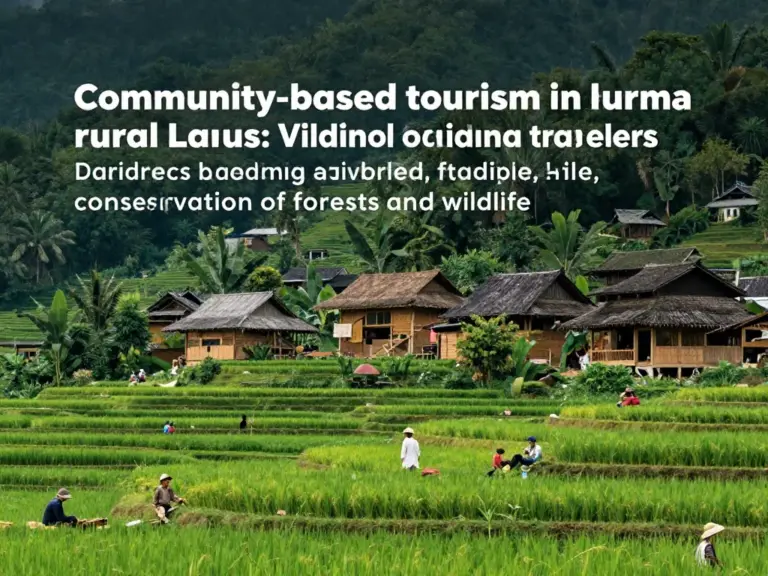
Laos is a land of mist-covered mountains, winding rivers, and a tapestry of diverse ethnic cultures. As Laos Tourism continues to evolve, a specific model of travel is taking center stage: Community-Based Tourism (CBT). Unlike traditional mass tourism, CBT is managed and owned by the community, for the community. It offers a window into the authentic Lao way of life while ensuring that the benefits of travel reach the grassroots level.
Empowering Local Villagers Through Economic Opportunity
In many rural areas of Laos, traditional livelihoods like subsistence farming can be unpredictable. CBT provides a vital secondary income stream. By opening their homes as homestays, serving as local guides, or selling handcrafted textiles, villagers gain financial independence. This income often goes directly into community funds used for building schools, improving sanitation, and providing healthcare.
Moreover, CBT fosters pride. When travelers show interest in local traditions, weaving techniques, or culinary secrets, it reinforces the value of cultural heritage among the younger generation, preventing the loss of ancient customs in a rapidly modernizing world.
Enriching the Traveler Experience: Authenticity Beyond the Guidebook
For those exploring Laos Tourism, the most memorable moments rarely happen in a 5-star hotel. They happen in a wooden stilt house in Luang Namtha or around a communal fire in Phongsaly. CBT allows travelers to move from being mere observers to active participants. You aren’t just visiting a village; you are learning to cook laap, participating in a Baci ceremony, or trekking through the jungle with a guide who knows every medicinal plant by name.
Conservation and Environmental Stewardship
Laos is home to some of the most pristine biodiversity in Southeast Asia. CBT creates a powerful incentive for conservation. When a community realizes that a standing forest or a healthy river attracts travelers, these natural assets become more valuable than the short-term gains from logging or poaching. Many CBT projects in Laos are located within National Protected Areas (NPAs), where tourism fees directly fund forest patrols and wildlife protection programs.
| Benefit Category | Impact in Laos |
|---|---|
| Economic | Direct income for rural families and community funds. |
| Social | Preservation of ethnic minority languages and crafts. |
| Environmental | Reduced reliance on slash-and-burn agriculture. |
คำถามที่พบบ่อย (FAQ)
What should I expect from a homestay in Laos?
Expect basic but clean facilities. Most homestays provide a mattress on a wooden floor, a mosquito net, and shared bathroom facilities. It is a humble, authentic experience focused on hospitality rather than luxury.
Is Community-Based Tourism safe for solo travelers?
Yes, Laos is generally very safe. CBT programs are often regulated by local authorities or NGOs, ensuring a structured and secure environment for all visitors.
How does CBT help the environment in Laos?
It provides an alternative income to activities like illegal logging and wildlife trade, encouraging locals to protect their natural surroundings to sustain tourism revenue.
References
Lao National Tourism Administration
World Bank Laos Development Reports
- Community-Based Tourism in Laos: How Your Trip Can Support Local Villages and Preserve Culture
- How to Choose Ethical Community-Based Tours in Laos: Certifications, Local Partnerships, and Red Flags
- What to Expect on a Community-Based Tourism Experience: Activities, Homestays, and Cultural Exchange Etiquette