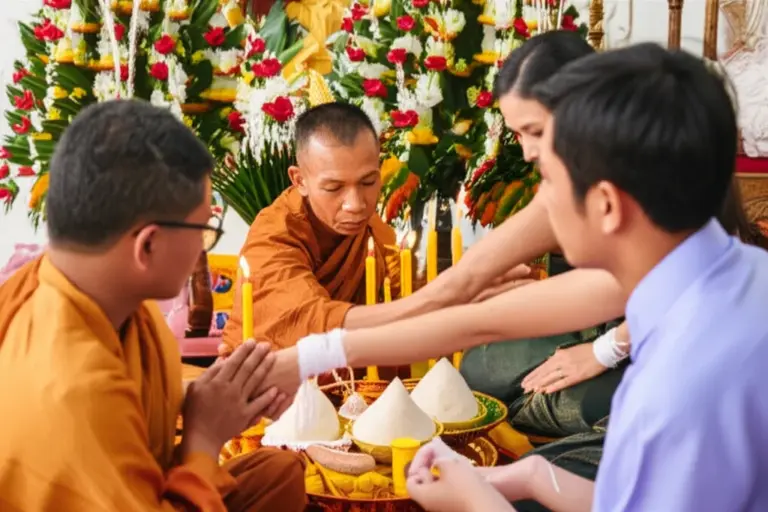
How the Baci Ritual Is Done: Step-by-step practices, key elements (soul-calling khuan), offerings, and roles of participants
- How the Baci Ritual Is Done: Step-by-step practices, key elements (soul-calling khuan), offerings, and roles of participants
The Baci ceremony, known locally as *Sou Khuan* (literally meaning ‘calling the soul’), is perhaps the most significant cultural tradition in Laos. It is not merely a religious event but a deeply rooted social practice designed to maintain balance, welcome guests, celebrate milestones, or heal those who are unwell. For travelers interested in Lao culture, witnessing or participating in a Baci is an unparalleled experience. This guide breaks down the complex yet beautiful elements of how the Baci Ritual is done, from the offerings to the final blessing.
Understanding the Soul: The Core Concept of Khuan
The entire ritual revolves around the concept of the *Khuan* (or *Kwan*), which translates to the soul or life force. Lao belief posits that humans possess 32 vital *khuan* that reside in different parts of the body. When a person experiences shock, illness, sadness, or transitions (like marriage or travel), these souls might wander away, leading to misfortune or poor health. The Baci ritual is the ceremonial mechanism to call these wandering souls back to the body, ensuring completeness and well-being.
The goal is simple: to re-establish harmony between the individual and the spiritual world, fostering good luck and happiness. This emphasis on collective spiritual well-being is what makes the ceremony so powerful.
Essential Components of a Baci Ceremony
A successful Baci requires specific physical items and designated roles. These elements work together to create a sacred space conducive to the soul-calling process.
The Offerings (Pha Khuan)
The centerpiece of the ritual is the Pha Khuan, an elaborate, tiered offering tray. While styles vary based on region and wealth, the core components are consistent:
- Banana Tree Trunks: Often used as the base or structure, symbolizing growth and life.
- Eggs and Cooked Rice: Representing sustenance and abundance.
- Flowers and Incense: For purity and to carry the prayers upwards.
- Candles and White Cloth: Symbolizing enlightenment and the sacred nature of the event.
The Role of the Mor Phon (Lead Chanter)
The Mor Phon is the most crucial individual. This person, often an elder respected for their wisdom and spiritual knowledge, leads the chanting. They are responsible for invoking the spirits, reciting the traditional Pali and Lao verses to persuade the wandering *khuan* to return home, and formally concluding the blessing.
The Participants and Their Responsibilities
Every guest present plays a part. The primary recipient of the blessing sits directly in front of the Pha Khuan. Other participants sit on either side. Their main duty is to hold one end of the Sai Sin (white cotton thread) during the chanting, physically connecting themselves to the recipient and lending their collective positive energy to the soul-calling effort.
The Step-by-Step Baci Ritual Procedure
To fully grasp how the Baci Ritual is done, one must follow the sequence of events, which moves from preparation to intense spiritual invocation, and finally to physical connection.
Preparation and Setting the Stage
The ceremony usually takes place in the main room of a home or a communal hall. The Pha Khuan is placed centrally. Participants gather, often seated on mats on the floor, surrounding the tray. The Mor Phon begins by lighting the candles and incense, offering silent prayers to set the spiritual tone.
The Invocation and Soul Calling (Khuan)
This is the core of the ritual. The Mor Phon begins chanting, often in Lao or Pali, addressing the recipient’s 32 *khuan* directly, urging them to return to their proper place in the body. The recitation is rhythmic and lengthy, sometimes lasting 30 minutes or more. During this time, all participants hold the ends of the Sai Sin string, focusing their goodwill and positive intentions toward the recipient.
Watch a demonstration of the profound atmosphere during the chanting:
The Blessing and Tying of the Sai Sin (White Strings)
Once the chanting concludes, the Mor Phon takes the white cotton threads (*Sai Sin*), which have been passed around and blessed by the collective energy of the attendees. The Mor Phon ties the first string onto the recipient’s wrist, reciting a final blessing for health and prosperity.
Following the Mor Phon, every participant takes a turn tying a string onto the recipient’s wrist, offering individual well-wishes. This act physically symbolizes the community binding the soul back to the body. The recipient is usually adorned with many strings on both wrists.
Concluding the Ceremony
After all guests have tied their strings, the Mor Phon formally closes the ritual. Food, drinks, and sometimes small gifts are shared among attendees, marking the transition back to a celebratory, social atmosphere. The strings are usually left on the wrists for several days, only removed naturally when they fall off, symbolizing the lingering protection of the blessing.
Cultural Significance for Laos Tourism
For visitors to Laos, understanding how the Baci Ritual is done is essential for respectful engagement. Whether you are welcomed to a home, a business opening, or a festival, being invited to participate is a sign of great honor. Remember to dress modestly, be respectful during the chanting, and accept the tying of the string with gratitude. This experience connects you directly to the spiritual foundation of Lao society.
คำถามที่พบบ่อย (FAQ)
What is the main purpose of the Baci ceremony?
The primary purpose of the Baci ceremony (Sou Khuan) is to call back the 32 souls (khuan) that may have wandered away from the body due to shock, illness, or travel, thereby restoring spiritual balance, health, and good fortune to the recipient.
Can foreigners participate in a Baci ritual?
Yes, foreigners are often invited to participate, especially as guests of honor or when celebrating a significant event. If invited, participation by holding the Sai Sin string is a high compliment and should be done with respect and sincere intention.
How long should the white strings (Sai Sin) be worn?
The white strings should be worn until they naturally fall off on their own. Cutting them off is generally considered bad luck or disrespectful, as it symbolizes prematurely breaking the connection of the blessing.
What is the difference between Baci and other Buddhist ceremonies?
While often intertwined with Buddhism in Laos, the Baci ritual itself is rooted in animistic and folk beliefs concerning the soul (Khuan). It focuses on practical spiritual maintenance and community bonding, whereas formal Buddhist ceremonies focus more on merit-making and doctrinal teachings.
References
Official Lao Cultural Heritage Documentation
UNESCO Information on Lao Rituals