Why Pha That Luang and Wat Sisaket Are Vientiane’s Must-Visit Sacred Landmarks
Vientiane, the serene capital of Laos, is a city where time seems to slow down, allowing the golden spires of temples to reflect the quiet beauty of the Mekong River. For travelers seeking to understand the heart and soul of this nation, visiting its religious monuments is essential. Among the many spiritual sites, two stand out as the definitive pillars of Laotian history and devotion: Pha That Luang and Wat Sisaket. Understanding Why Pha That Luang and Wat Sisaket Are Vientiane’s Must-Visit Sacred Landmarks provides not just a sightseeing opportunity, but a profound cultural education.
The Golden Majesty of Pha That Luang
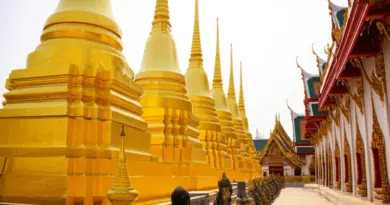
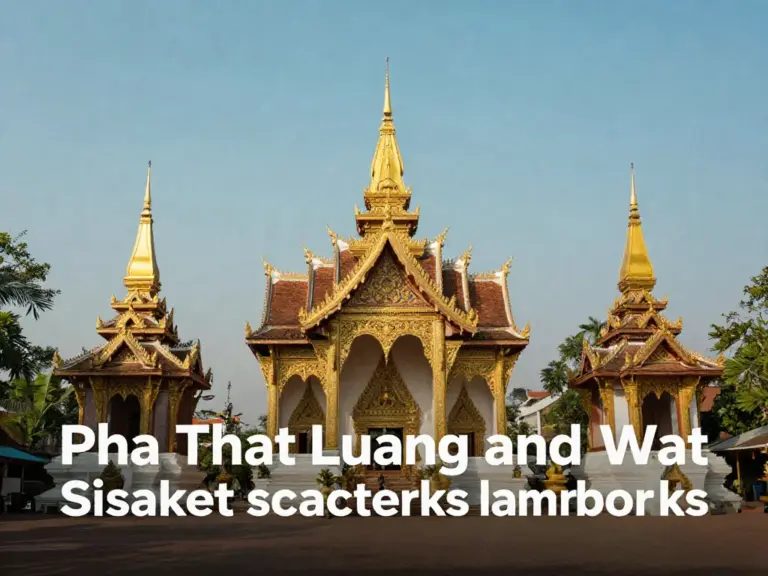
Pha That Luang, or the Great Stupa, is the national symbol of Laos and arguably the most important monument in the country. Rising majestically against the Vientiane skyline, this massive golden structure is a breathtaking sight, especially during sunset when the gold leaf catches the fading light. It is widely considered the most sacred Buddhist monument in Laos.
The stupa’s architecture is a testament to Lao design, with its three-level base representing the ascent from the underworld to the heavens. Legend suggests that the site was originally established in the 3rd century by missionaries from the Mauryan Empire, though the current structure dates back to the 16th century, commissioned by King Setthathirath. For any visitor, the sheer scale of the central spire, reaching 44 meters high, offers a humbling perspective on the deep-rooted faith of the Laotian people.
The Ancient Tranquility of Wat Sisaket
In stark contrast to the towering grandeur of Pha That Luang, Wat Sisaket offers an intimate, meditative experience. Built in 1818 by King Anouvong, it is the oldest temple in Vientiane that still remains in its original form. While many other temples were destroyed during the Siamese conflict of 1828, Wat Sisaket was spared, likely due to its Siamese architectural style. This preservation allows visitors to walk through history, touching the very walls that have stood for over two centuries.
The temple is famous for its cloister walls, which house thousands of small Buddha statues. It is estimated that there are over 6,800 images made of wood, stone, and bronze. Walking through the quiet, shaded corridors lined with these silent observers is an incredibly moving experience, highlighting the immense dedication of the artisans and the faithful who have contributed to the temple over generations.
Comparing the Sacred Landmarks
| Feature | Pha That Luang | Wat Sisaket |
|---|---|---|
| Significance | National Symbol | Oldest Original Temple |
| Key Visual | Golden Stupa | Thousands of Buddha Statues |
| Atmosphere | Grand & Ceremonial | Quiet & Reflective |
Why These Landmarks Matter for Modern Tourism
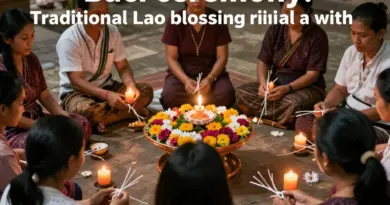
Tourism in Laos is evolving, with more travelers seeking authentic, culturally rich experiences rather than just resort stays. Pha That Luang and Wat Sisaket serve as the anchors for this type of tourism. They are not merely tourist attractions; they are living, breathing centers of community life. During the Boun That Luang Festival, the area around the Great Stupa transforms into a vibrant hub of processions and offerings, showcasing the enduring power of Lao traditions.
Visiting these sites encourages a respectful engagement with local customs. By observing the monks, the offerings of lotus flowers, and the quiet prayers of the locals, travelers gain a nuanced understanding of Theravada Buddhism’s influence on daily life in Vientiane. It is this intersection of history, architecture, and living faith that makes these landmarks indispensable to any itinerary.
คำถามที่พบบ่อย (FAQ)
- Is there a dress code for visiting these temples?
Yes, as these are sacred sites, both men and women should dress modestly. Shoulders and knees must be covered. - What is the best time of day to visit?
Early morning is recommended to avoid the heat and the midday tour crowds, allowing for a more peaceful exploration. - Can I take photos inside the temples?
Photography is generally permitted in the courtyards, but always be respectful. Refrain from taking photos of people praying or of the interior of the main sanctuary if signs prohibit it.