Best practices for volunteers on the ground: cultural sensitivity, skills-matching, and minimizing dependency
Volunteering in Laos offers a profound opportunity to contribute to the development of one of Southeast Asia’s most culturally rich and ecologically diverse nations. However, the effectiveness of your contribution depends heavily on your approach. Following best practices for volunteers on the ground ensures that your efforts are respectful, impactful, and sustainable. This guide explores the pillars of ethical volunteering: cultural sensitivity, strategic skills-matching, and the vital goal of minimizing local dependency.
Cultural Sensitivity: Respecting the Lao Way of Life
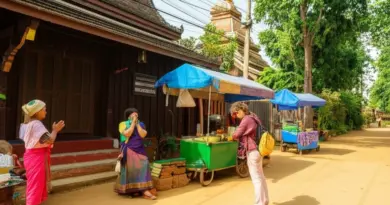
In Laos, cultural norms are deeply rooted in Buddhist traditions and a gentle social etiquette. Cultural sensitivity is not just about avoiding offense; it is about building the trust necessary for effective collaboration. Volunteers should be mindful of the ‘Heuan’ (house) and ‘Wat’ (temple) protocols. For instance, always remove your shoes before entering a home and dress modestly, covering shoulders and knees.
The concept of ‘saving face’ is paramount. Public displays of anger or direct confrontation are viewed poorly and can damage your relationship with the community. Instead, use a calm tone and a smile—often referred to as the ‘Lao smile’—to navigate challenges. Understanding the hierarchy within a village and seeking permission from the village headman (Nai Ban) before starting any project is a critical best practice.
Effective Skills-Matching: Putting Your Talents to Work
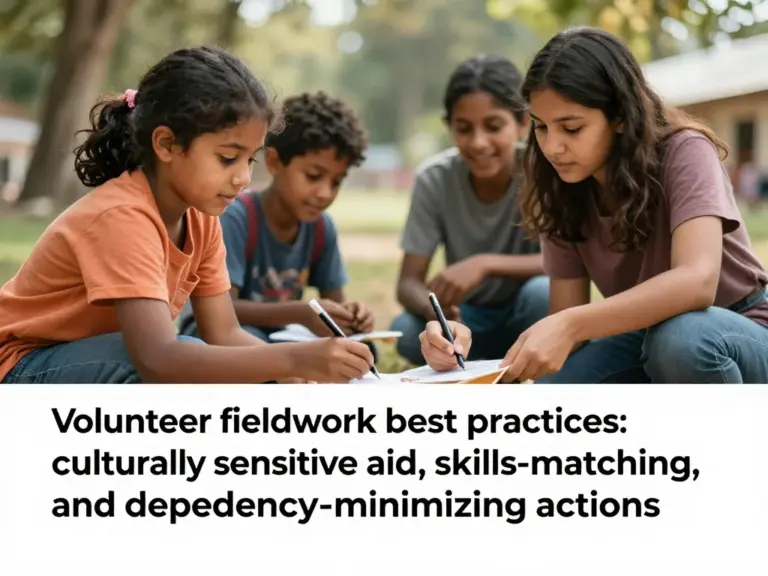
One of the most common pitfalls in international volunteering is ‘voluntourism,’ where tasks are assigned regardless of the volunteer’s actual expertise. To truly adhere to best practices for volunteers on the ground, there must be a rigorous skills-matching process. If you are an educator, focus on teacher training rather than just playing with children. If you are an engineer, work on water filtration systems rather than painting a school wall that locals could do themselves.
Before arriving in Laos, ask yourself: ‘Does this community actually need my specific skill set, or am I taking a job away from a local worker?’ High-impact volunteering focuses on ‘capacity building’—transferring your skills to local counterparts so that the project continues long after you leave.
Minimizing Dependency: The Path to Sustainability
The ultimate goal of any volunteer project should be its own obsolescence. Creating dependency—where a community relies on a constant stream of foreign aid or labor—is counterproductive to long-term development. To minimize dependency, projects should be community-led. This means the idea and the drive for the project must come from the Lao people themselves.
- Use locally sourced materials for construction projects.
- Focus on training locals to maintain systems.
- Avoid giving direct cash or gifts to individuals, which can create social imbalance.
By empowering local leaders and providing the tools for self-sufficiency, volunteers ensure that the positive changes are permanent. This shift from ‘doing for’ to ‘doing with’ is the hallmark of an ethical volunteer.
คำถามที่พบบ่อย (FAQ)
What is the most important cultural rule in Laos?
Respect for elders and religious symbols is paramount. Always dress modestly in villages and temples, and never touch someone’s head, as it is considered the most sacred part of the body.
How do I know if my skills are a good match for a project?
Consult with a reputable NGO that performs a needs assessment. If the task requires specialized knowledge (like medicine or engineering) that you don’t have, it is better to support the project financially or choose a different role.
Why is minimizing dependency important?
Dependency can stifle local initiative and create an unstable environment where progress stops as soon as volunteers leave. Sustainability ensures the community thrives on its own terms.
Do I need a special visa to volunteer in Laos?
Yes, most formal volunteer work requires a specific business or volunteer visa (NI-B2). Working on a tourist visa is generally illegal and can lead to fines or deportation.
How can I find ethical volunteer opportunities in Laos?
Look for organizations that are transparent about their impact, prioritize local leadership, and have long-term partnerships with Lao communities rather than short-term ‘tours’.
References
United Nations Volunteers – Global Standards
VSO International – Responsible Volunteering Guide
- Voluntourism in Laos: How to Support Communities Ethically and Avoid Unintended Harm
- Why people choose voluntourism in Laos and what ethical principles should guide responsible volunteer travel
- How to evaluate and choose reputable programs in Laos that prioritize community needs and sustainable impact