What to expect at the market — cultural customs, typical stalls, bargaining etiquette, and safety tips
- What to expect at the market — cultural customs, typical stalls, bargaining etiquette, and safety tips
- Understanding Lao Market Culture in the Context of Laos Tourism
- Typical Stalls You Will Encounter
- Essential Bargaining Etiquette in Laos
- Safety Tips for Market Explorers
- Top Markets to Visit in Laos
- คำถามที่พบบ่อย (FAQ)
- What is the best time to visit markets in Laos?
- Is bargaining expected in Lao markets?
- What currency should I use at the market?
- Are Lao markets safe for solo travelers?
When exploring the hidden gems of Southeast Asia, Laos Tourism offers an unparalleled glimpse into a world where time seems to slow down. At the heart of this experience are the local markets. Whether it is the misty morning markets of Vientiane or the glowing night markets of Luang Prabang, these hubs are more than just places of commerce; they are the lifeblood of Lao culture. For a traveler, stepping into a Lao market is a sensory explosion of colors, scents, and sounds. Understanding the nuances of these markets will not only make your shopping easier but will also deepen your connection with the local people.
Understanding Lao Market Culture in the Context of Laos Tourism
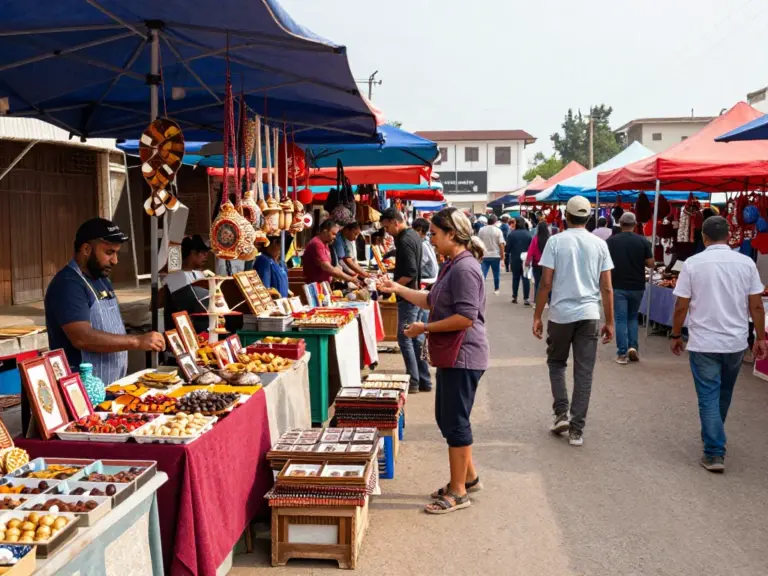
In Laos, the market is a social institution. Unlike the hurried pace of Western supermarkets, Lao markets operate on ‘Lao Time’—a relaxed, gentle rhythm. You will notice that vendors often sit cross-legged on raised wooden platforms, surrounded by their goods, chatting with neighbors or sharing a meal. This communal atmosphere is a cornerstone of Laos Tourism. Respect is paramount; a warm ‘Sabaidee’ (hello) accompanied by a smile goes a long way. The Lao people are known for their ‘Jai Yen’ (cool heart) philosophy, meaning they rarely get stressed or angry. As a visitor, adopting this calm demeanor will ensure a much more pleasant experience.
Typical Stalls You Will Encounter
Lao markets are typically divided into sections, though the boundaries can sometimes blur. Navigating these sections is part of the adventure. Here is what you can expect to find:
1. Fresh Produce and Exotic Fruits
Expect to see vibrant piles of dragon fruit, mangosteen, and durian. You will also find stalls dedicated to organic herbs like lemongrass, galangal, and various types of mint which are staples in Lao cuisine. Don’t be surprised to see ‘jungle finds’ like wild mushrooms or even insects, which are a traditional source of protein.
2. Hand-woven Textiles and Handicrafts
Laos is world-renowned for its intricate silk and cotton weaving. Stalls often display ‘Sinhs’ (traditional Lao skirts) with stunning geometric patterns. You will also find handmade silver jewelry, bamboo baskets, and Hmong embroidery. These items are the backbone of the souvenir trade in Laos Tourism.
3. The Food Court (Street Food)
No market visit is complete without sampling the food. Look for stalls selling ‘Khao Jee’ (baguettes), ‘Lao Sausage’ (Sai Oua), and the ubiquitous ‘Khao Niew’ (sticky rice) served in small bamboo baskets called ‘Thip Khao’.
Essential Bargaining Etiquette in Laos
Bargaining is common in Lao markets, especially those catering to tourists, but it is a far gentler process than in neighboring countries. Here are the golden rules:
- Smile and Be Polite: Aggressive haggling is considered very rude. Keep it lighthearted.
- Know the Value: If a price feels fair, pay it. A difference of 5,000 Kip is less than 25 cents to you but can buy a meal for a local.
- Bulk Discounts: If you buy more than one item from the same stall, you are much more likely to get a significant discount.
- The First Offer: Usually, you can aim for 15-20% off the initial asking price.
Safety Tips for Market Explorers
While Laos is generally a very safe destination for Laos Tourism, markets can be crowded and overwhelming. Follow these tips to stay safe:
- Watch Your Belongings: Use a crossbody bag and keep it in front of you. Pickpocketing is rare but can happen in dense crowds.
- Food Safety: Choose stalls that have a high turnover of customers. If the food is cooked fresh in front of you, it is generally safe to eat.
- Stay Hydrated: Markets can get incredibly hot. Always carry a bottle of sealed water.
- Money Matters: Carry small denominations of Lao Kip. Many vendors cannot change large bills early in the morning.
Top Markets to Visit in Laos
| Market Name | Location | Best For |
|---|---|---|
| Luang Prabang Night Market | Luang Prabang | Handicrafts, Textiles, Street Food |
| Phousi Market | Luang Prabang | Local Produce, Hardware, Daily Life |
| Talat Sao (Morning Market) | Vientiane | Electronics, Silk, Jewelry |
| Vang Vieng Night Market | Vang Vieng | Clothing, Souvenirs |
คำถามที่พบบ่อย (FAQ)
References
Official Laos Tourism Website
Lonely Planet Laos Guide
- Hmong and Khmu Market Days: What to Expect and What to Buy for an Authentic Cultural Experience
- What are Hmong and Khmu market days — history, timing, and where to find them in Laos and neighboring regions
- What to buy: traditional textiles, silverwork, local produce, and unique souvenirs with buying tips and price expectations